ZeroPoint cheat sheet: non-starchy vegetables
All your top questions about non-starchy veggies, answered
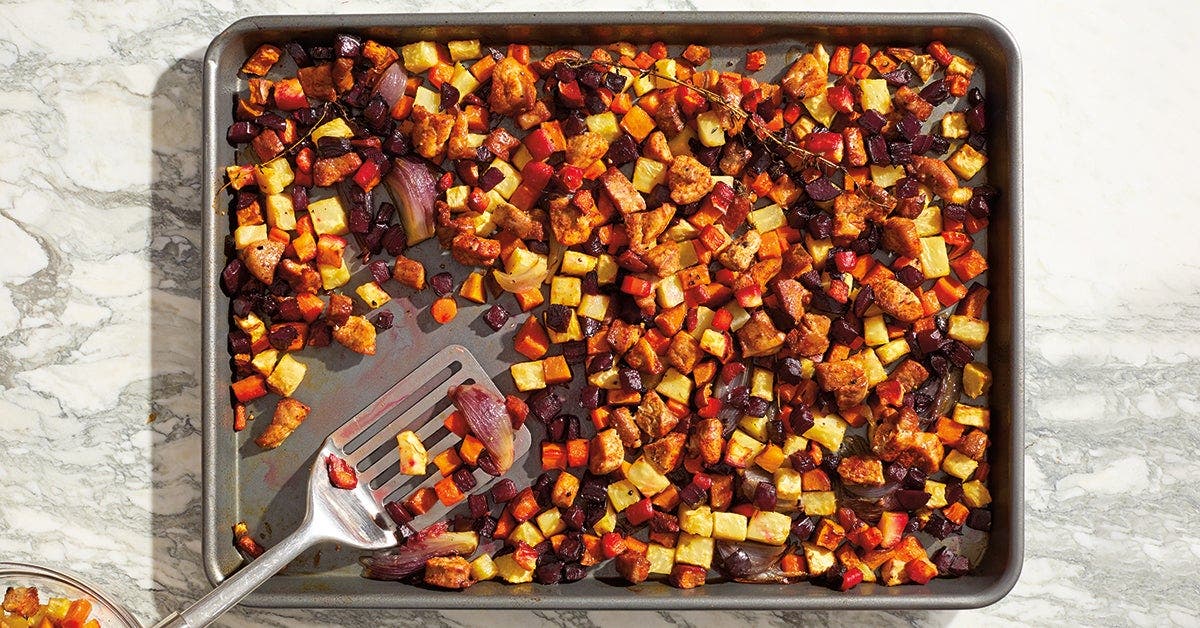
“Zero” usually means “nothing.” But at WeightWatchers®, ZeroPoint® foods are everything! We rely on non-starchy veggies to bulk out many recipes and meals, and use them as part of super simple snacks.
What counts as a “non-starchy vegetable”?
|
|
Do the veggies have to be fresh and/or raw?
Nope. They can be cooked or raw, fresh or frozen, or even canned (as long as there’s no added oil or sugar).
Why should I eat non-starchy vegetables?
Beyond the fact that they’re delicious and nutritious, and there’s a huge variety of them, here’s a major one: They help add volume to your meals without adding any Points.
Some of Our Fave Non-Starchy Veggie-Heavy Recipes
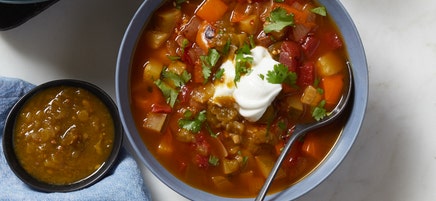
Mexican Vegetable Soup with Salsa Verde
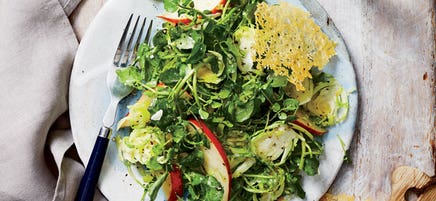
Brussels Sprouts, Watercress & Pear Salad with Parmesan
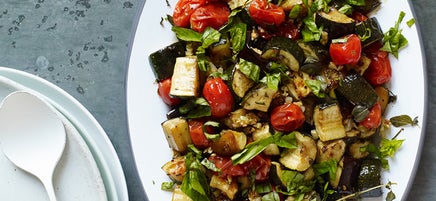
Balsamic Roasted Vegetables

Zoodle Pasta Primavera
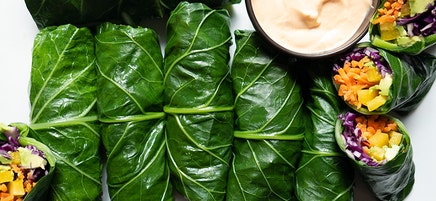
Veggie-Stuffed Collard Green Rolls
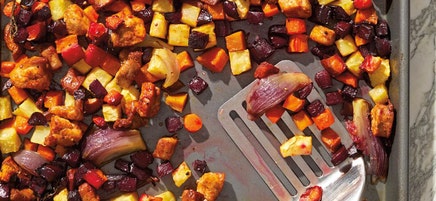
Sheet-Pan Root Vegetable & Pork Hash
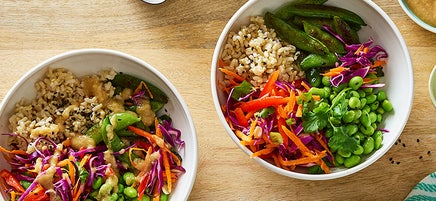
Veggie Brown Rice Bowls
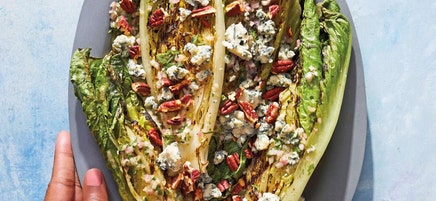
Grilled Wedge Salad with Blue Cheese & Pecans
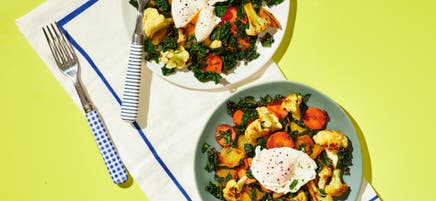
Vegetable breakfast hash with poached eggs
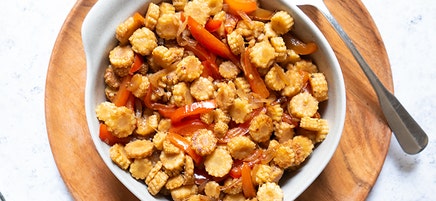
Easy Baby Corn Stir-Fry
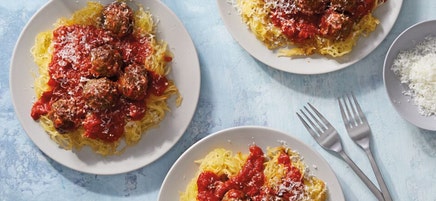
Spaghetti squash with beef and ricotta meatballs
--
Sherry Rujikarn is the food director at WeightWatchers®, where she oversees cookbooks and recipe content. She has spent her career developing and testing recipes, identifying and exploring food trends, and teaching home cooks about all things food-related.