ZeroPoint™ Cheat Sheet: Oats & Oatmeal
All your top questions about oats and oatmeal, answered
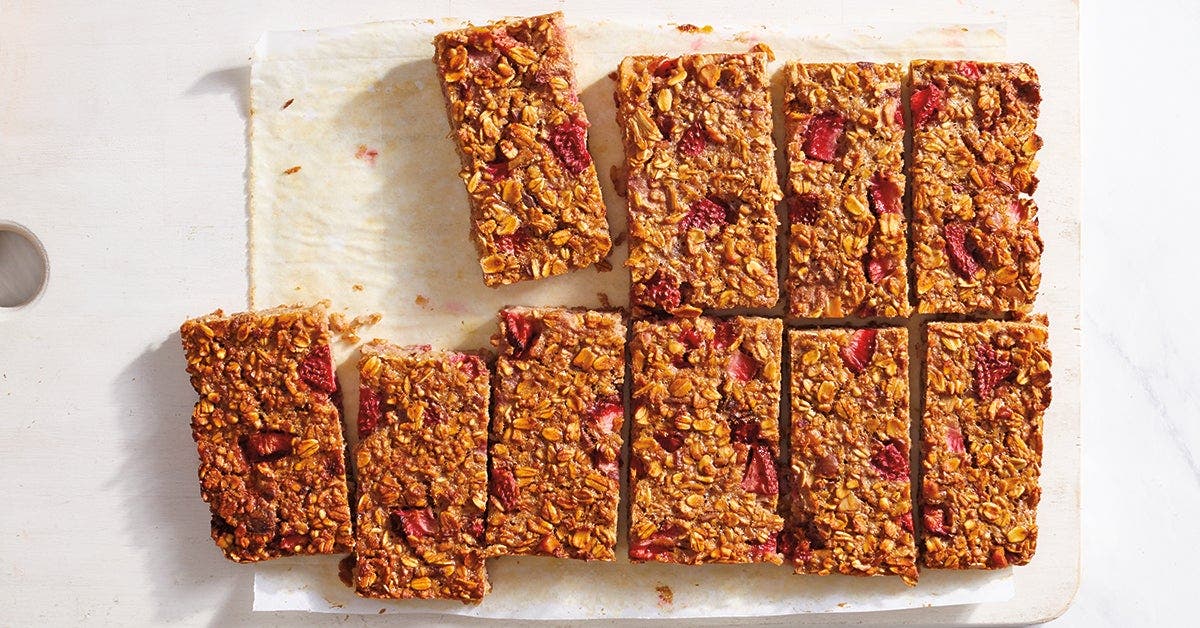
While “zero” usually means “nothing,” at WW, ZeroPoint™ foods are everything! If oats and oatmeal are your ZeroPoint foods and you’ve got some questions, you’re in the right place.
Which foods are included in this category?
Instant oatmeal, plain
Oatmeal, plain
Oats
Quick-cooking regular oats
Quick-cooking steel cut oats
Rolled oats
Rolled whole grain muesli (unsweetened, without nuts, seeds, fruits)
Steel-cut oats
What makes oats so nutritious?
Oats are a whole grain that’s loaded with fiber, vitamins, and minerals. A diet rich in whole grains has been linked with a decreased risk of heart disease and high blood pressure, and improved digestion.
If I add sweetener, nuts, fruit, or other toppings to my oats, are the oats still a ZeroPoint food?
Technically, yes. But you have to count the points for any non ZeroPoint ingredients you add to your oats.
Does it matter if I use instant oats or if I cook my own rolled oats?
Nope! Plain oats—no matter the type—are a ZeroPoint food.
Are oats a ZeroPoint food if I process them into flour?
Unfortunately not. Breakfast grains ground to a flour-like consistency (such as oats ground into oat flour) are not considered ZeroPoints since flour is not a ZeroPoint food.
How can I enjoy oats beyond breakfast?
Oats can add texture and fiber to desserts and baked goods, make a great alternative to bread crumbs in oven-baked chicken and fish recipes, and serve as the base of savory lunch or dinner grain bowls.
Just cooked up a big pot of plain cooked oatmeal. Now what?
Spoon some thick cooked oats into pancake or waffle batter for added texture and flavor, into burger or meatloaf mixture as a binder, or into soup instead of other cooked grains such as rice or barley. (Wondering how you even cook a batch of oats? Decide the number of servings you want to make and use one of the methods here.)
And if you’re tired of sweet breakfast oats, make a savory oatmeal breakfast bowl instead. Top your hot, cooked oats with cooked sausage or eggs, leftover roasted veggies or some chopped grape tomatoes, add a sprinkle of cheese, some seasonings, and fresh herbs. The combinations are endless.
Any other oat-related tips?
Get the most from your oats: toast dry oats to enhance their flavor and then use them as an easy topping for sauteed or roasted fruit. Or use them as a topping in quick bread, muffin, or cake recipes.
If you’ve never had overnight oats, you’re missing out! They’re a super-satisfying, no-cook way to have grab-and-go breakfasts ready for hectic mornings. Learn how to make your own with these easy instructions.
Some of Our Fave Oat & Oatmeal Recipes
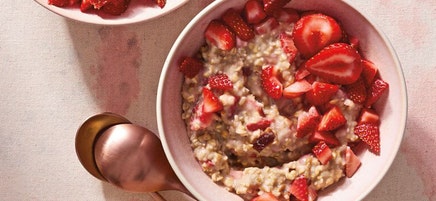
Slow-cooker strawberry steel-cut oats
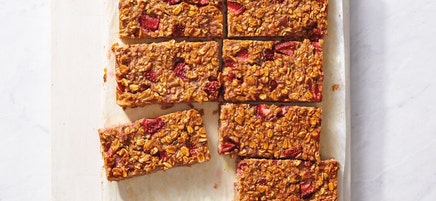
Double oatmeal breakfast bars
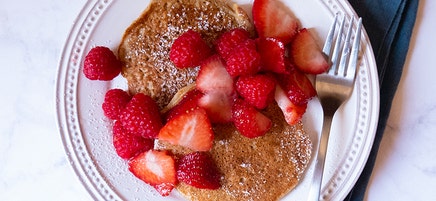
Leftover oatmeal pancakes

Red Berry Baked Oats
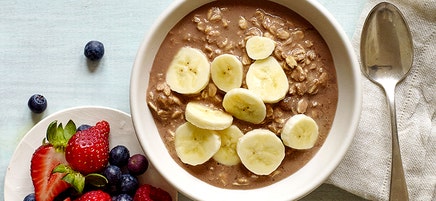
Chocolate peanut butter–banana overnight oats

Irish steel-cut oats with pomegranate and pistachios
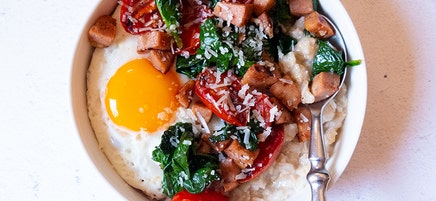
Savory Italian oatmeal breakfast bowl
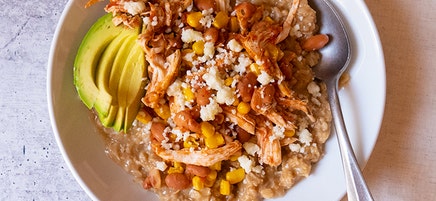
Tex-Mex Oatmeal Lunch Bowl
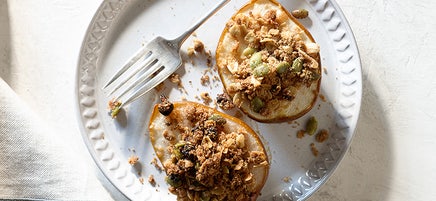
Roasted Pears with Oatmeal-Raisin Crumble
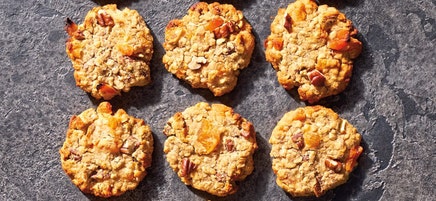
Toasted pecan & apricot breakfast cookies
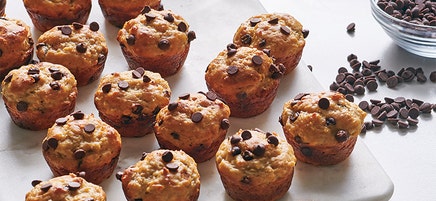
Banana–chocolate chip mini muffins
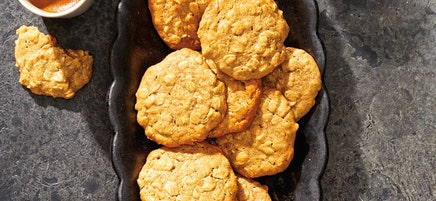
Flourless Tahini-Oatmeal Cookies
