How does exercise make your heart stronger?
Your heart wants you to move it, move it.
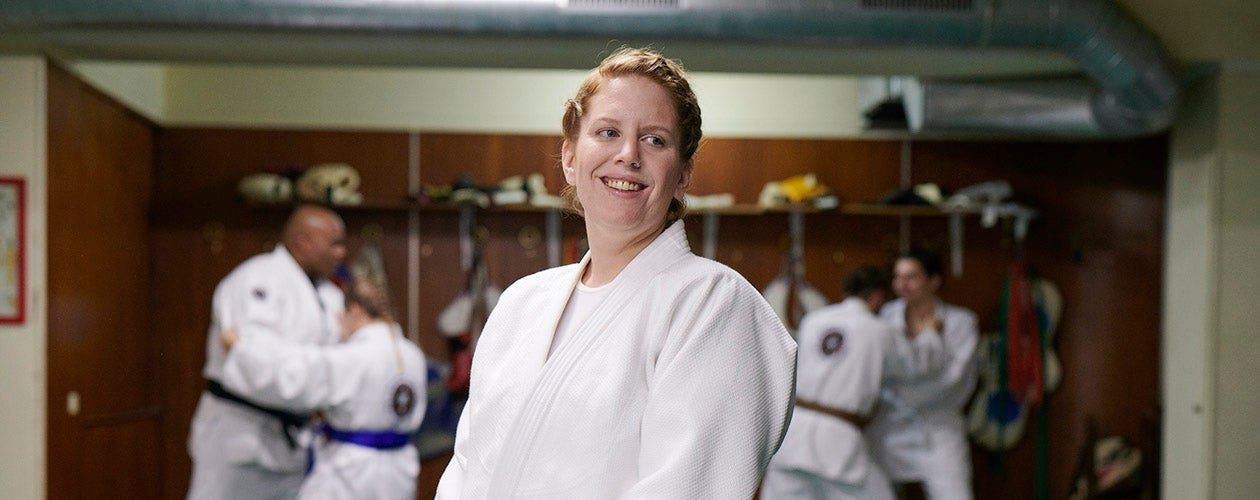
For you, physical activity might be a means to lose weight, or even to improve your mood, but the truth is it does so much more. Exercising your body exercises your heart.
“Your heart muscle itself doesn’t get stronger,” says Nieca Goldberg, MD, Medical Director of the Joan H. Tisch Center for Women's Health at NYU Langone Medical Center. “But the physiology around it improves the function of the heart by making it more efficient and your blood vessels more flexible.” In addition, the greater flexibility of the blood vessels make them more resistant to the buildup of plaque—a known contributor to heart disease.
“During exercise your heart rate and blood pressure increase to deliver blood to your exercising muscles, and your blood vessels respond by enlarging to supply blood flow to your exercising muscles.” Over time your baseline heart rate slows down because of this “training effect,” Dr. Goldberg explains. “Exercise lowers heart rate and blood pressure, which enables you to exercise longer before you get tired because your heart is working more efficiently.” Each heart beat delivers a greater volume of blood to your exercising muscles so your heart doesn’t have to work as hard.
Exercise and blood pressure
The blood pressure effect may last even when you’re not working out. Regular exercise helps keep arteries elastic (flexible), says Victoria Shin, MD, cardiologist with Torrance Memorial Medical Center, Torrance, CA. “This, in turn, ensures good blood flow and normal blood pressure.” Exercise can lower your systolic blood pressure (the top number in a blood pressure reading) by an average of 4 to 9 mm of mercury (mm Hg), Shin adds, which is as effective as some blood pressure medications.
For some people with high blood pressure, exercise alone is enough to reduce the need for medication, Shin adds. "If your blood pressure is already well controlled—less than 120/80 mm Hg—exercise can help prevent it from rising as you age, as the arteries naturally get stiffer." This is not a one and done deal, however. Keeping your blood pressure low requires regular exercise. “It takes about one to three months for regular exercise to have an impact on your blood pressure,” says Shin. “The benefits last only as long as you continue to exercise.”
RELATED: Train your brain to say 'yes' to exercise
Exercise may also make the heart’s job easier by helping lower cholesterol, or the fats found in blood. The exact way exercise does this is unclear, but experts believe it enhances muscles' ability to utilise fats, as opposed to glycogen (aka stored carbohydrate), thus reducing circulating cholesterol, says Shin.
“Exercise has also been shown to increase levels of enzymes that clear bad cholesterol from the blood.” Specifically, exercise has been linked to a consistent increase in HDL (good cholesterol) with moderate decreases in triglycerides and LDL (bad cholesterol).
Which type of exercise is best?
The heart smart benefits could be why physical activity guidelines from the UK Chief Medical Officers recommends that adults should aim to take part in at least 150 minutes of moderate intensity physical activity each week, in bouts of 10 minutes or more. But what kind of exercise goes towards improving your heart health?
Cardio (aerobic) exercise
Literally referring to exercises “with oxygen,” aerobic exercise includes walking, biking, swimming, and activities that increase your heartbeat and sustain it there for an extended period of time. “Walking, running, tennis, basketball, swimming—anything that increases your heart rate and gets you sweating works best,” says Shin. Aerobic exercise makes your heart more efficient by pumping more blood with each beat so it doesn't have to work as hard.
RELATED: How to become a runner
Resistance training
Lifting weights, kettlebells, barbells, and even your own body weight counts as resistance training and also offers heart protection, Shin says. “It may offer a complementary benefit to aerobics. Research suggests that resistance-training provides a different vascular response than aerobic exercise by increasing blood flow to the limbs. Surprisingly, it was found to also lead to a longer-lasting drop in blood pressure after exercise, compared with aerobic exercise.
Gentle martial arts and yoga
Exercise does not have to be high intensity to produce heart health benefits. Yoga and tai chi, an ancient Chinese martial art involving slow, relaxing movements, may lower blood pressure almost as well as moderate intensity aerobic exercises, says Shin. According to a 2016 scientific review of 35 studies published in the Journal of the American Heart Association, traditional Chinese exercises such as tai chi and qigong were found to reduce high blood pressure in people with cardiovascular disease.
No matter which way you decide to move your body—whether it’s walking, lifting, or practicing yoga—you will be taking steps to help your heart be efficient and healthy.
RELATED: Is yoga the missing link?