The truth about type 1 diabetes
It’s sometimes called juvenile diabetes, but type 1 diabetes doesn’t just impact kids. Here’s what makes the autoimmune condition so complex — plus the latest on its causes, symptoms, and treatments.

In this article:
- 1/ What is type 1 diabetes?
- 2/ What causes type 1 diabetes?
- 3/ Type 1 diabetes symptoms
- 4/ How is type 1 diabetes diagnosed?
- 5/ When are people usually diagnosed with type 1 diabetes?
- 6/ Type 1 diabetes treatments
- 7/ What are the complications of type 1 diabetes?
- 8/ The importance of lifestyle changes with T1D
- 9/ The bottom line
Often overshadowed by the much-more-common type 2 diabetes, type 1 diabetes can be easily misunderstood. Isn’t that just when diabetes is diagnosed in kids? Is it caused by a child eating too much sugar? Can it be reversed with diet and exercise?
In short: No, no, and no.
Keep reading to find out the real story of type 1 diabetes, from what causes it to how it’s treated.
What is type 1 diabetes?
Like all types of diabetes, type 1 diabetes (T1D) manifests as high blood sugar. But its development is totally unique, caused by an autoimmune condition where the immune system mistakes the pancreas as an enemy and attacks it.
“The immune system destroys the beta cells in the pancreas because it sees them as foreign,” says Dr. Jane Reusch, M.D., a professor of medicine and the associate director of the Center of Women’s Health Research at the University of Colorado.
As a result, the pancreas doesn’t produce (or makes very little) insulin — a hormone that helps blood sugar (glucose) get into cells throughout the body, where it can be used for energy. Without the insulin, blood sugar rises, which can lead to a variety of serious complications if not treated properly.
Type 1 diabetes makes up a small portion of all diabetes cases in the U.S. — just 5% to 10%.
What causes type 1 diabetes?
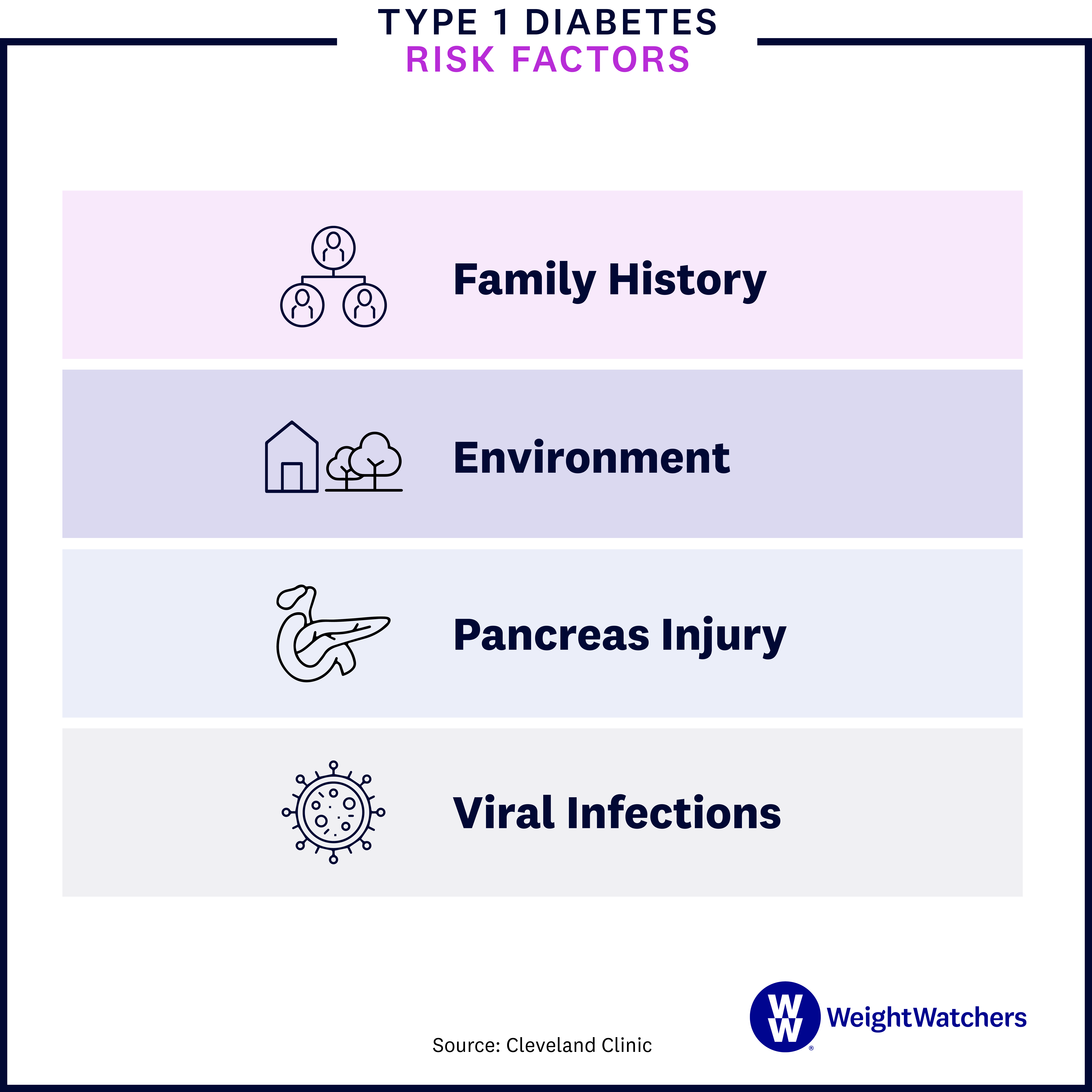
Experts still don’t know why the immune system — the system in the body that protects you from infection and fights off viruses and bacteria — turns on the pancreas in those with T1D. Here’s what they do know about what raises your risk:
Family history: There’s a strong genetic component at play. Having a parent with the condition raises your risk and having both parents with it raises your risk even more. But not everyone with a genetic predisposition will develop T1D, which is why experts believe other factors are involved.
Virus exposure: Having certain viruses — such as congenital rubella, Coxsackievirus B, cytomegalovirus, adenovirus, and mumps — while in utero or during early childhood is thought to play a role. “It has long been suspected that a viral infection may trigger type 1 diabetes, though this remains to be proven,” says Dr. Tom Donner, M.D., an associate professor of medicine at Johns Hopkins University and the director of the Johns Hopkins Diabetes Center. Why the link? One theory is that when your immune system jumps into action to fight a virus, it goes into overdrive, ultimately attacking the healthy cells in the pancreas.
Cold climates: Type 1 diabetes tends to develop more often in winter than summer and is more common in places with cold weather. Again, researchers aren’t sure why, but it may have something to do with higher rates of viral infections, reduced sunlight exposure (which may alter immune regulations), and genetic predisposition of northern populations.
Pancreas injury: If the pancreas is damaged — due to an injury or a condition like pancreatitis — your risk of T1D goes up.
Type 1 diabetes symptoms
The signs of T1D can appear suddenly and be severe. Knowing the symptoms to look for and alerting your doctor as soon as possible can help you avoid potentially life-threatening complications. In children, the most common symptoms are urinating frequently, drinking large quantities, losing weight, and becoming more and more tired. Your child may start wetting the bed all the time or it can seem like they never get enough water.
Adults can also experience all of the above, but the other symptoms can be easier to overlook, including blurred vision, slow-healing cuts and sores, and vaginal yeast infections.
How is type 1 diabetes diagnosed?
Your doctor will perform a simple blood test to see if you have type 1 diabetes (and likely repeat it to make sure a positive result was accurate). Results that indicate you have type 1 diabetes include:
A fasting blood glucose level higher than 125 mg/dl (milligrams per deciliter)
A random blood glucose level higher than 200 mg/dl (along with symptoms)
Elevated blood glucose on an oral glucose tolerance test higher than 200 mg/dl
An A1C level greater than 6.5%
These are the same results that indicate type 2 diabetes, so doctors look at other factors to determine which type of diabetes you have. Having a high BMI (body mass index), blood pressure, or cholesterol is more common with type 2, while having another autoimmune disease is more common with type 1. Additional tests can also be used to look for specific autoantibodies in the blood or ketones (a waste product) in the urine that occur only with type 1.
When are people usually diagnosed with type 1 diabetes?
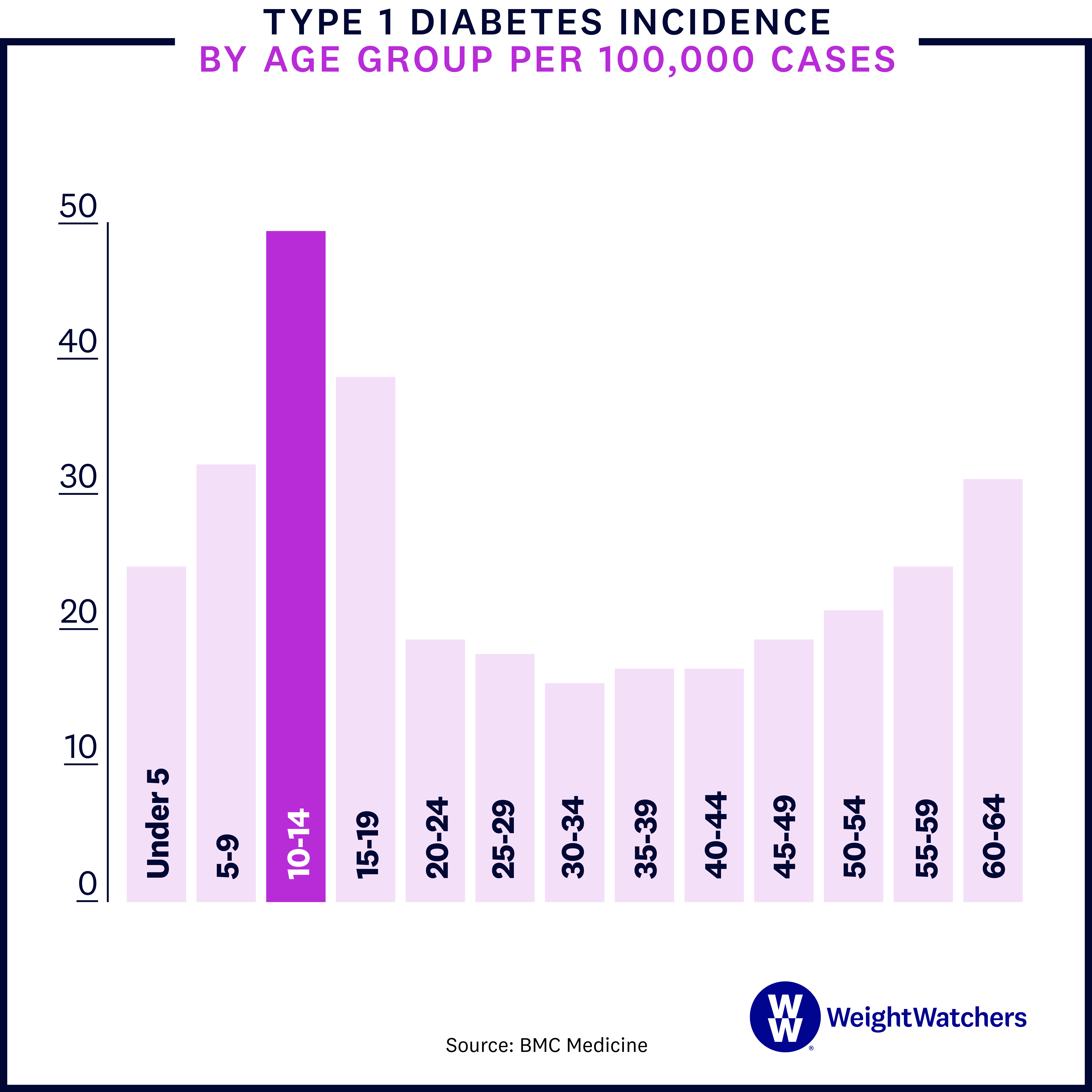
Type 1 diabetes has been called juvenile diabetes because it tends to be diagnosed in children and adolescents. But while the peak age for diagnosis is between 10 and 14, it can actually occur at any age.
Something to note: The number of diagnoses is growing. Among those under 20, the rates of T1D went up 45% from 2001 to 2017 (from 1.48 to 2.15 cases per 1,000 youth). Researchers are trying to figure out what’s behind that rise.
Type 1 diabetes treatments
The main form of treatment for T1D is insulin therapy, which is done in conjunction with regular blood glucose monitoring to watch blood sugar levels. “The inability of the pancreas to make enough insulin means that patients need insulin therapy to remain healthy,” says Donner.
Insulin is delivered via injection (either with a needle or a pen) or an insulin pump, which is a wearable device. There are also different types of insulin, which vary by how quickly the medication acts. Some act quickly and last only a short time, while others act slowly and last much longer. The type of insulin and dose you need depends on factors like your weight, activity level, diet, and whether you’re going through puberty, a pregnancy, or a sickness. Your doctor will advise you on the right type, amount, and schedule for your insulin therapy and monitor you regularly to make sure it’s working correctly.
What are the complications of type 1 diabetes?
Though T1D can be treated with insulin therapy, the effect isn’t perfect. “It’s not possible to deliver insulin as precisely as the body would if all systems were working correctly,” Reusch says. As a result, blood sugar can stay elevated, which can lead to certain complications. While these can be very scary sounding, the better your blood sugar is managed, the less your risk of these occurring.
Ketoacidosis: Because people with T1D have no way to turn glucose into energy, the body starts using fat as a source instead. The process of breaking down fat produces a waste product known as ketones, which can be toxic if levels get too high — a condition known as ketoacidosis. In severe cases, ketoacidosis can lead to coma and death. Check in with your doctor if you or your child experience rapid breathing, fruity-smelling breath, nausea, vomiting, stomach pain, and dryness of the mouth.
Cardiovascular problems: Over time, high blood sugar can damage the blood vessels and nerves that control your heart. As a result, diabetes increases your risks of several cardiovascular problems, including coronary artery disease with chest pain (angina), heart attack, stroke, narrowing of the arteries (atherosclerosis), and high blood pressure.
Nerve damage (neuropathy): Excess blood sugar can injure the walls of the blood vessels (capillaries) that keep your nerves healthy. This can cause tingling, numbness, burning, or pain that tends to start at the tips of the toes or fingers and slowly spreads. In serious cases, this nerve damage can result in a foot needing to be amputated. If the nerve damage happens in the gastrointestinal tract, it can cause nausea, vomiting, diarrhea, or constipation.
Kidney damage (nephropathy): High blood sugars can damage the blood vessels that filter waste in the kidneys. If the damage becomes severe, it may cause kidney failure or irreversible kidney disease, requiring dialysis or a kidney transplant.
Eye damage: In time, too much blood sugar can block the tiny blood vessels that nourish the retina, cutting off its blood supply. Known as diabetic retinopathy, this condition can ultimately cause blindness. Diabetes can also up the risks of cataracts and glaucoma.
Teeth and mouth conditions: Diabetes can impact saliva flow, which can cause dry mouth and, in time, gum disease.
Pregnancy complications: High blood sugar levels while pregnant can increase the risks of miscarriage, stillbirth, preeclampsia (a serious condition that can occur halfway through pregnancy and is marked by high blood pressure and high protein levels in the mom’s urine), and birth defects.
The importance of lifestyle changes with T1D
While exercise and diet are usually thought of as something people with type 2 diabetes need to worry about, they’re also important for people with type 1 diabetes. That’s because a healthy lifestyle can impact blood sugar and reduce your risk for certain complications. Here’s what to focus on:
Activity
Exercise has been shown to improve glucose control, reduce the risk of cardiovascular disease, increase muscle strength, lower cholesterol, and improve well-being in people with T1D. But there are a couple of things to keep in mind:
Check in with your doctor first. Physical activity can affect blood sugar levels, so talk to your doctor about what to keep in mind before and after you work out. You may be told to up your carb intake or reduce insulin (or do both) to keep blood sugar in check.
The more you can move, the better. To see the biggest benefits, you’ll want to fit in 150 minutes or more of moderate- to vigorous-intensity aerobic activity weekly. Young people with type 1 diabetes should aim for 60 minutes of activity per day (the same recommendation for the general population).
Diet
“The type of food you choose, the amount you eat, and even the combination of food can affect your blood sugar and how fast it goes up or down,” says Barbra Sassower, RDN, a registered dietitian nutritionist and the certified diabetes care and education specialist.
Your doctor will be able to guide you towards the best diet for your type 1 diabetes, but if you need a helping hand, try WeightWatchers Diabetes Program. It steers you away from foods that spike blood sugar, like those with refined carbs or added sugars, and toward foods that help steady it, like those rich in fiber, protein, and healthy fats.
The bottom line
Type 1 diabetes is an autoimmune disease where the immune system attacks the pancreas, impacting its ability to create insulin. As a result, the body can’t move glucose out of the blood and into cells, causing blood sugar to rise. While it’s commonly thought of as a disease that is only diagnosed in children, it can also be diagnosed into adulthood. Everyone with type 1 diabetes will need to be on some form of insulin therapy, but a healthy lifestyle can also make a big difference in how well their condition is managed.