Everything You Could Possibly Want to Know about Freezer-Friendly Meals
Discover 48 big-batch dishes to prep now and put on ice, plus tips on storing, thawing, and thoroughly enjoying every bite.

When you hear the phrase “frozen meals,” you might think of flimsy TV dinners sold in cardboard packages. Happily, it’s time to reconsider. You can stock your freezer with delicious, Points®-friendly dishes—and they’re a snap to make yourself. All it takes is a little know-how (and recipe inspo) to take your reheat-and-eat game to the next level.
Plenty of recipes lend themselves to icy conditions. Soups, stews, chillies, casseroles, stir-fries, and pasta bakes are some of the many big-batch options that don’t easily dry out when defrosted or reheated. Follow along as we run through everything you need to know to make your own frozen dinner winners.
Start with one of these 48 delicious, freezer-friendly recipes.
Chili
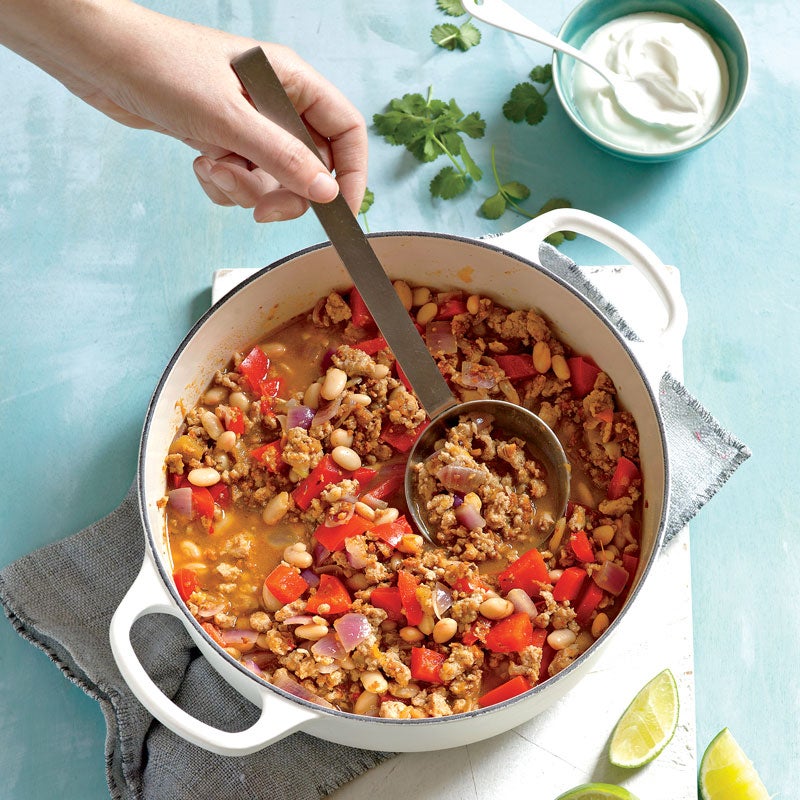

Turkey and white bean chili
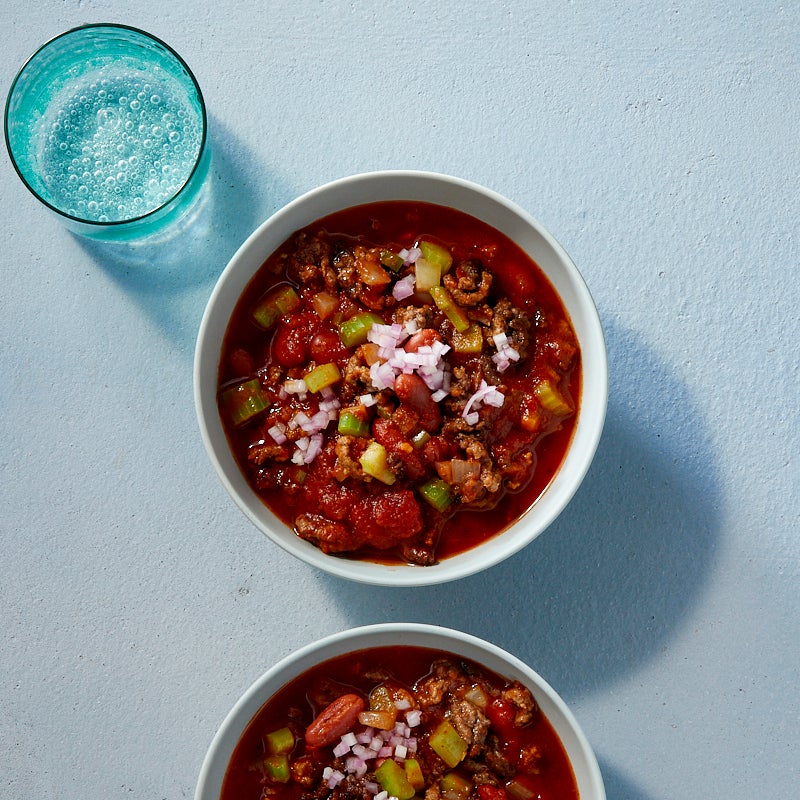

Beef & Bean Chili
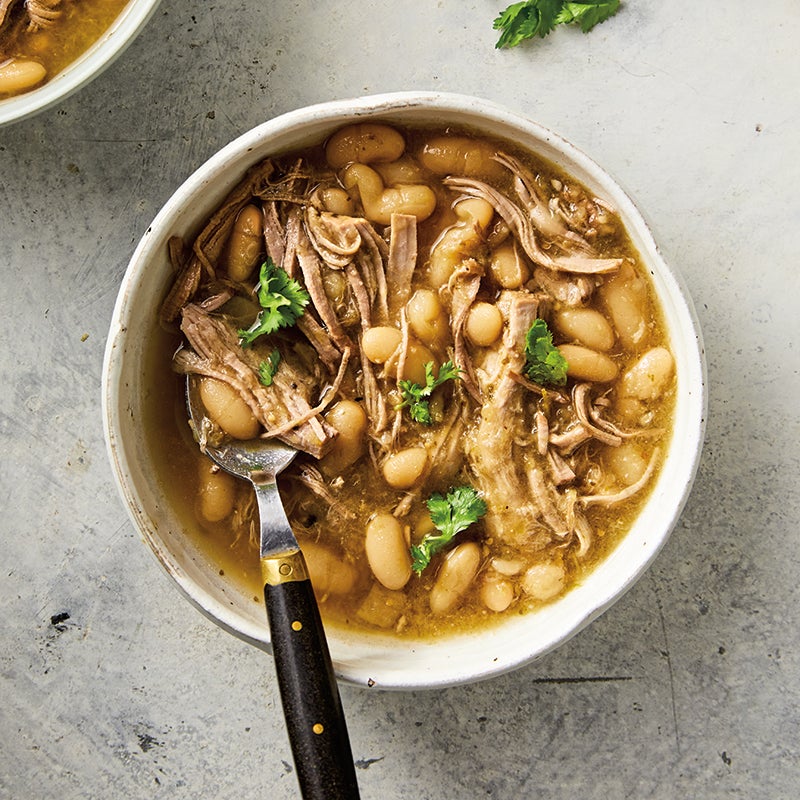

Slow-Cooker Green Pork Chili
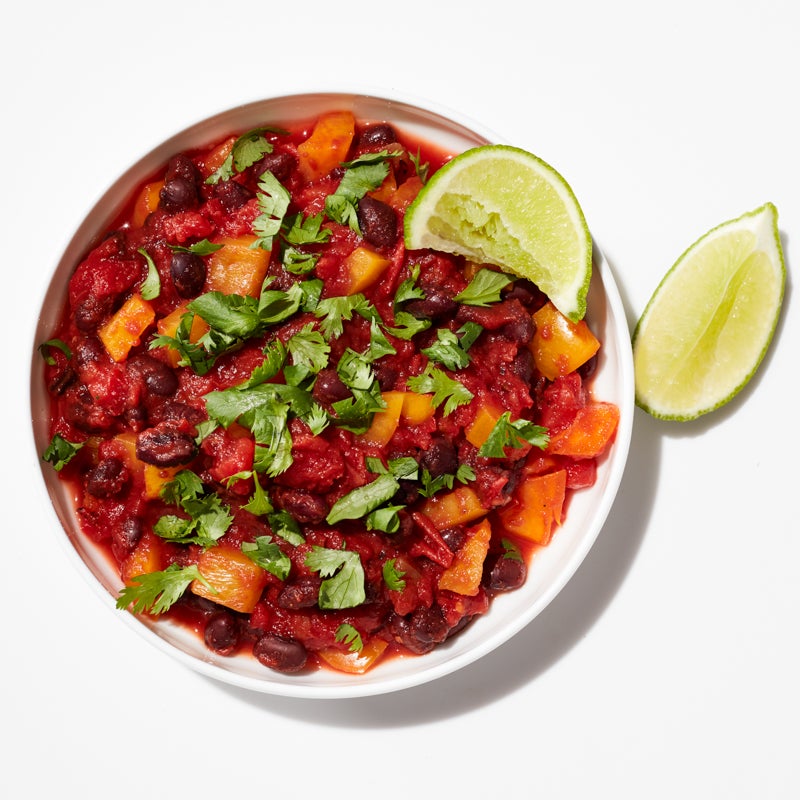

Chipotle-Black Bean Chili
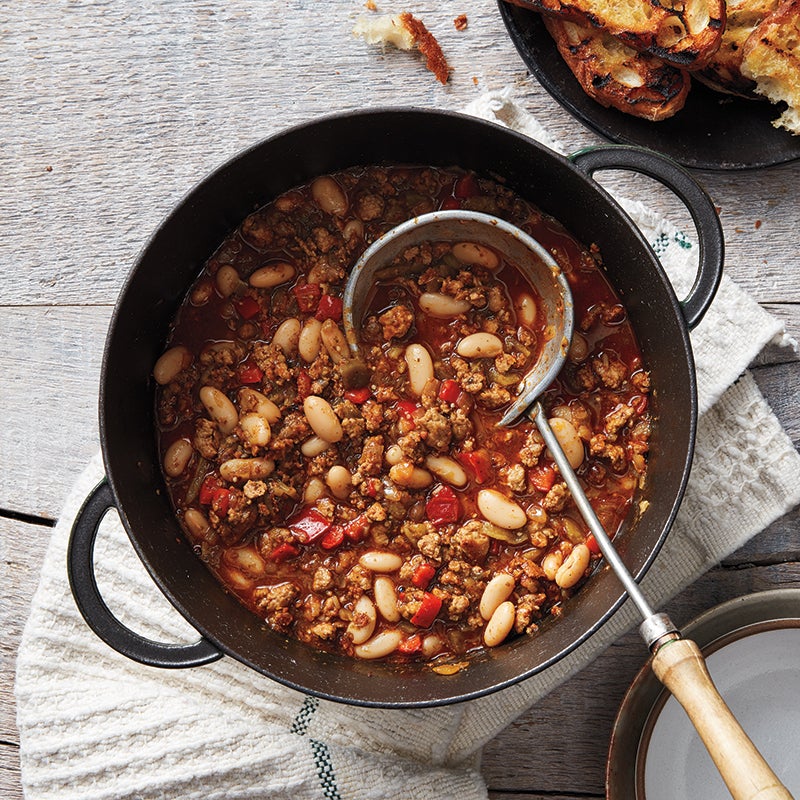

Turkey-tomatillo chili
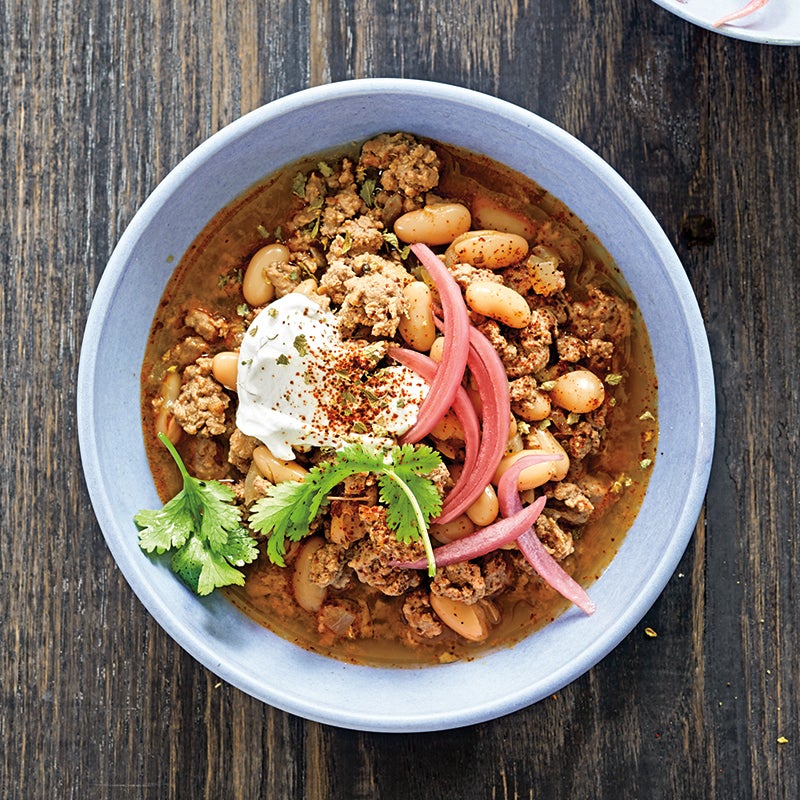

Chicken & White Bean Chili
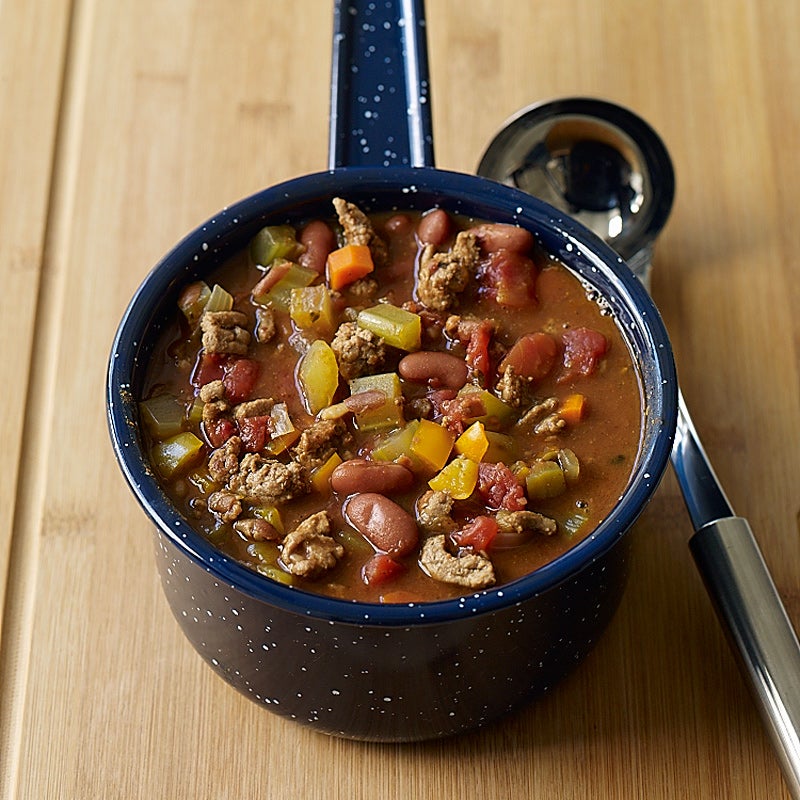

Turkey, Bean and Vegetable Chili
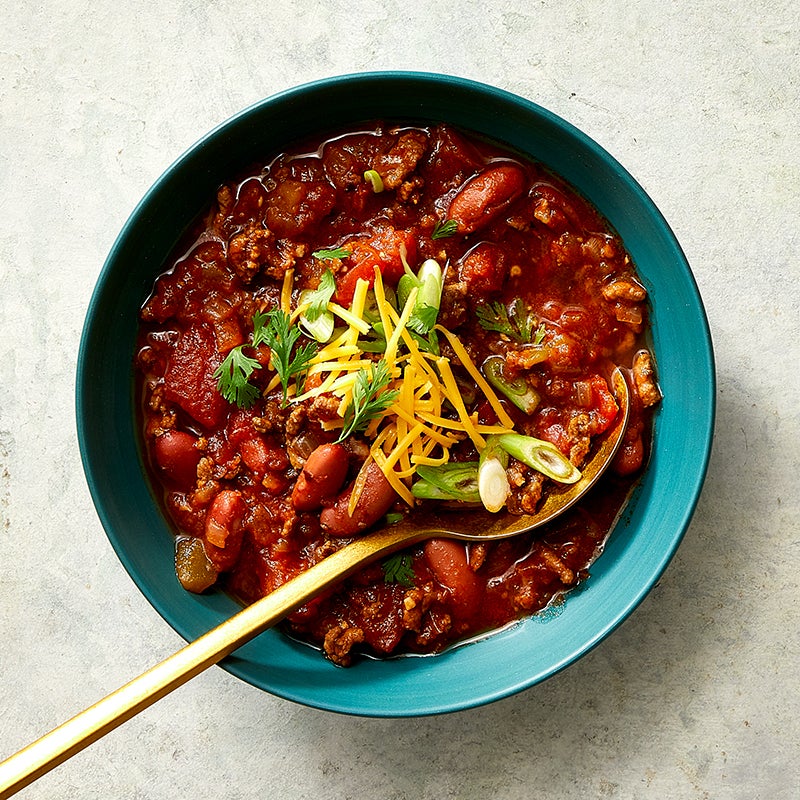

Cajun Beef Chili
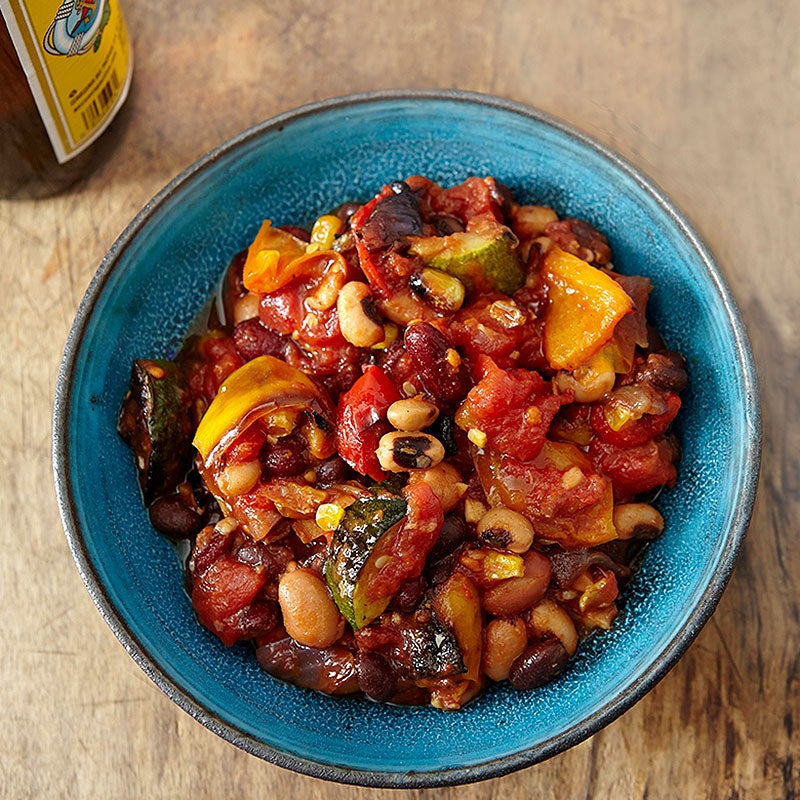

Roasted vegetable and four-bean chili
Soups and stews
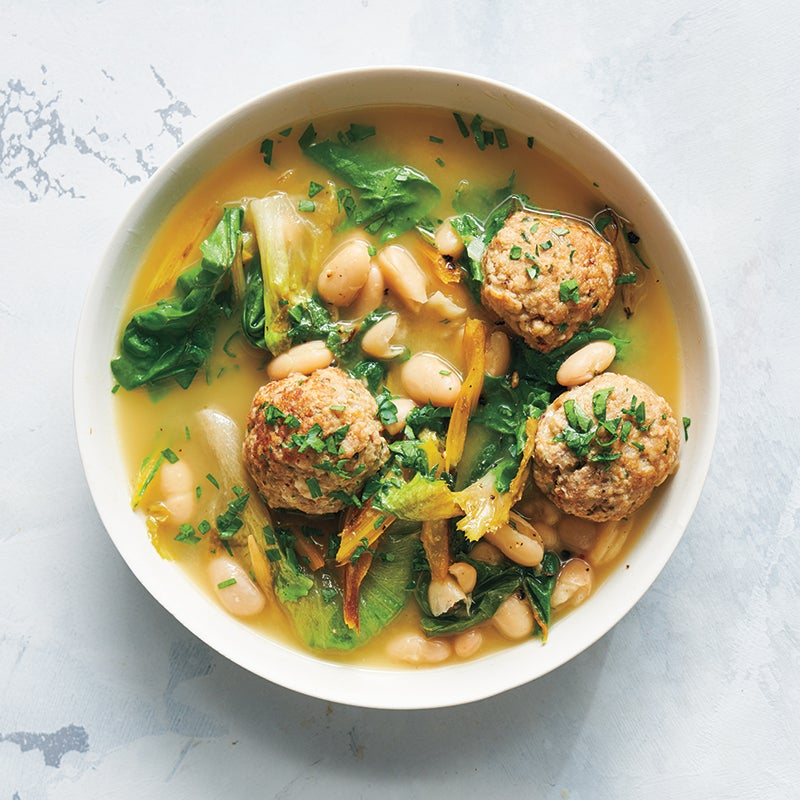

Turkey meatball and escarole soup
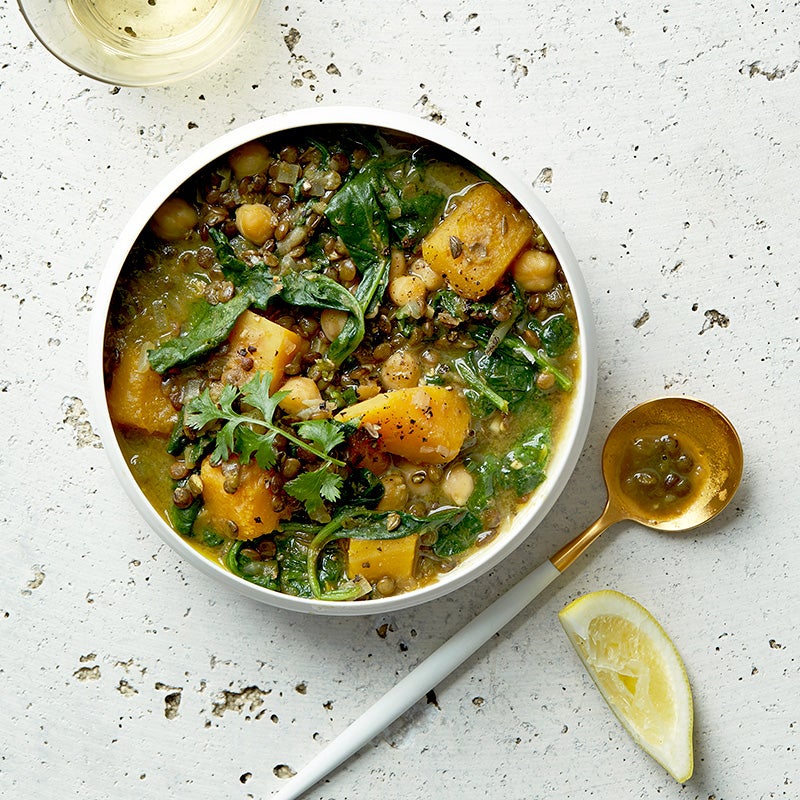

Curried French Lentil & Butternut Squash Stew
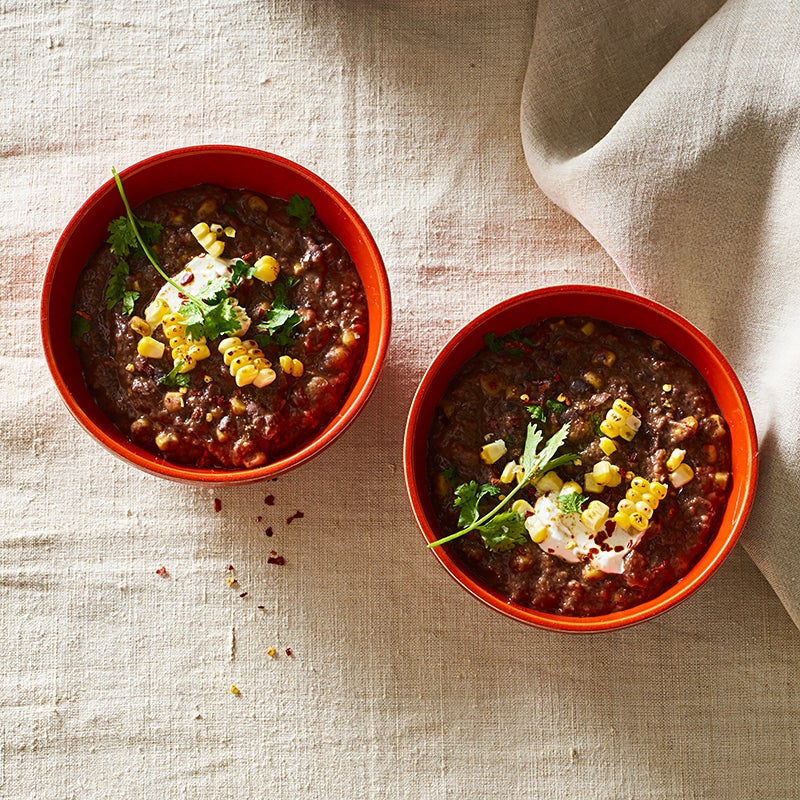

Spicy Black Bean Soup
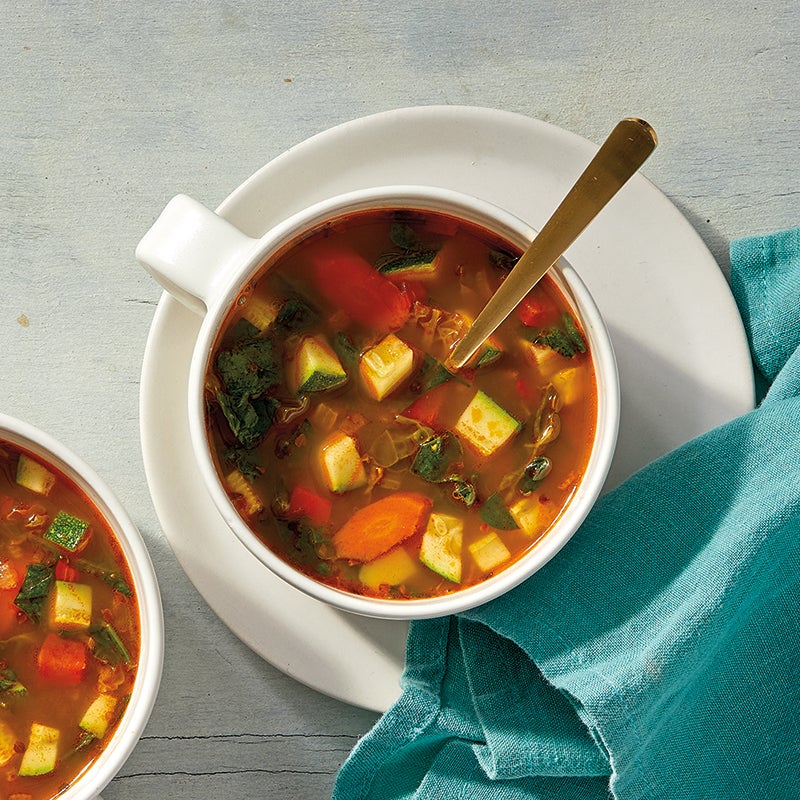

Garden Vegetable Soup
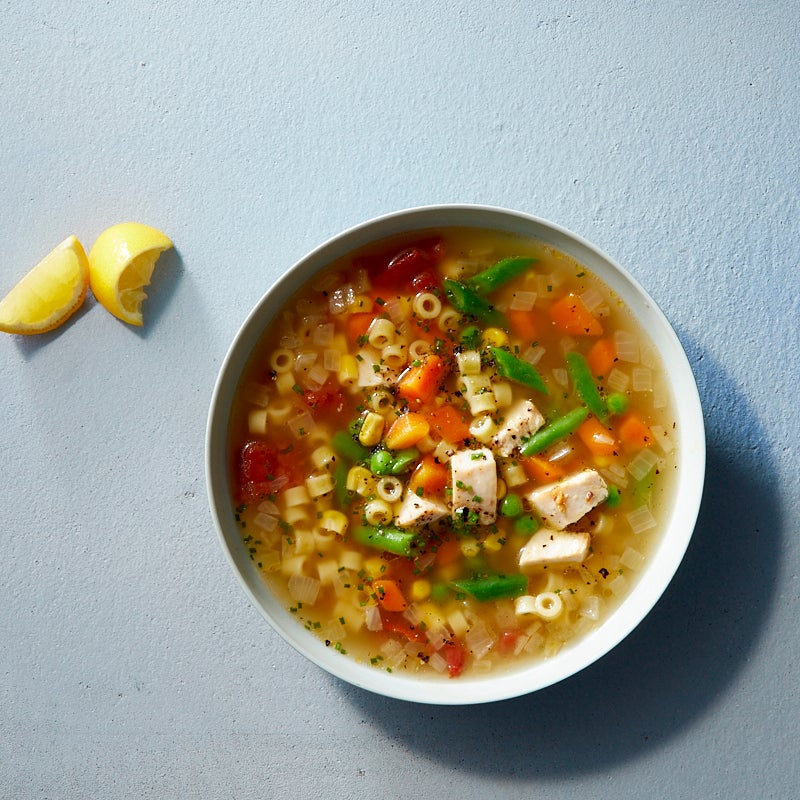

Super-Easy Chicken Noodle Soup
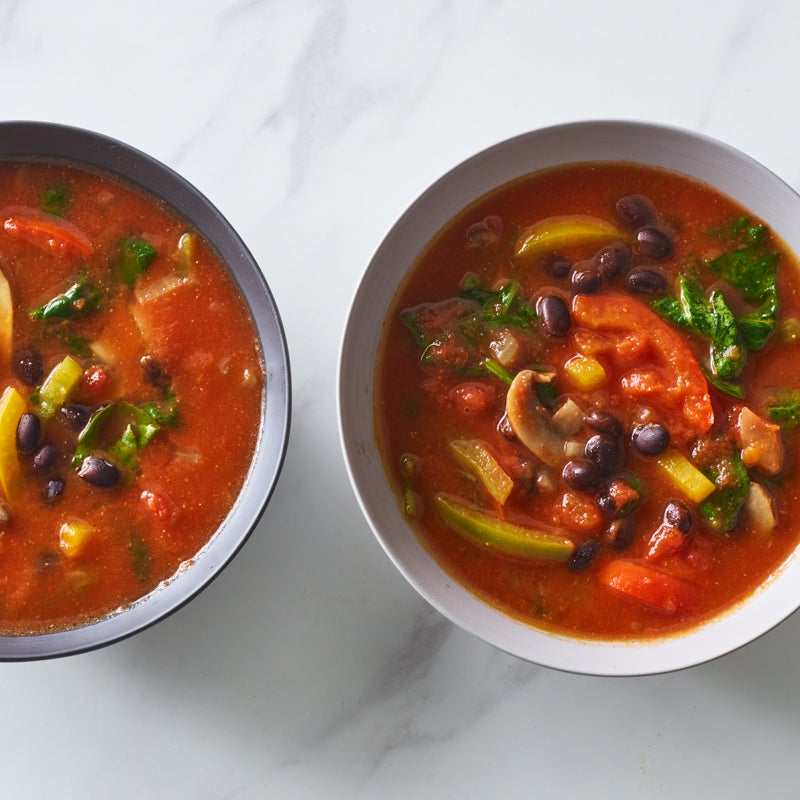

No-chop veggie tomato soup
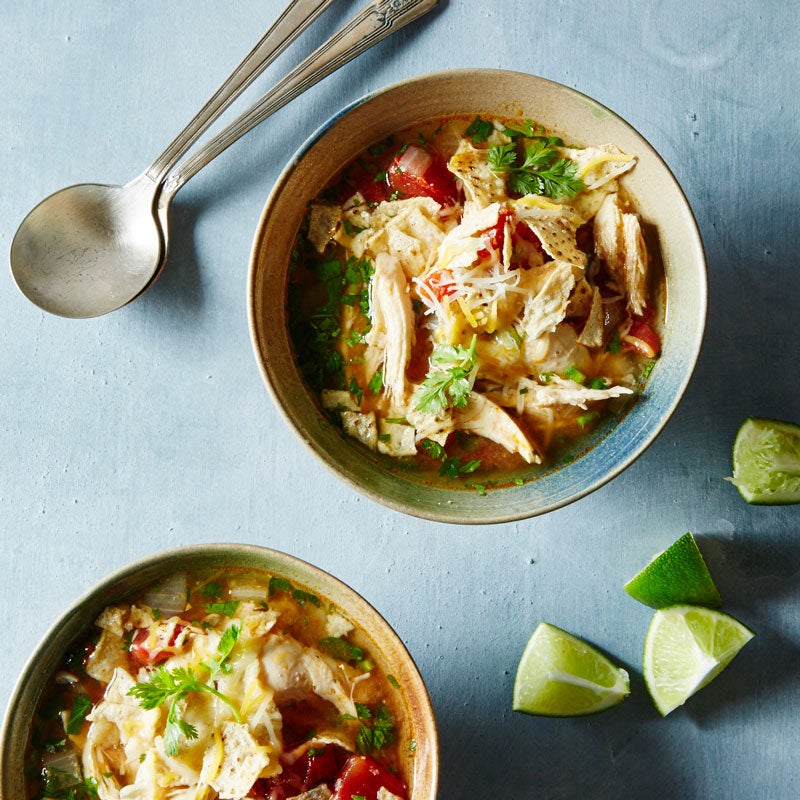

Chicken Tortilla Soup


Pulled chicken ancho chile & black bean soup
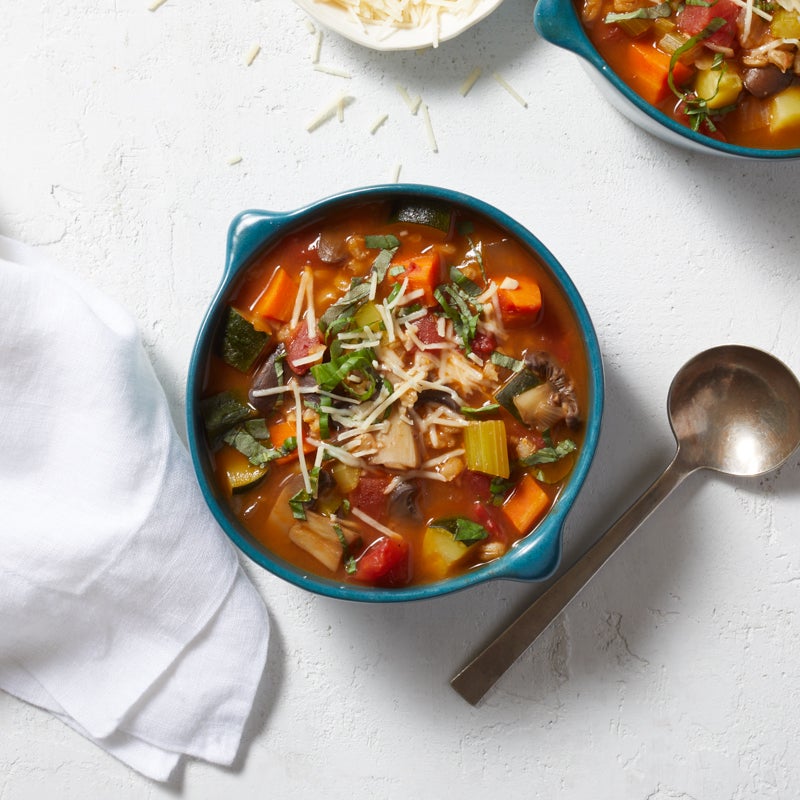

Italian-Inspired Vegetable Soup
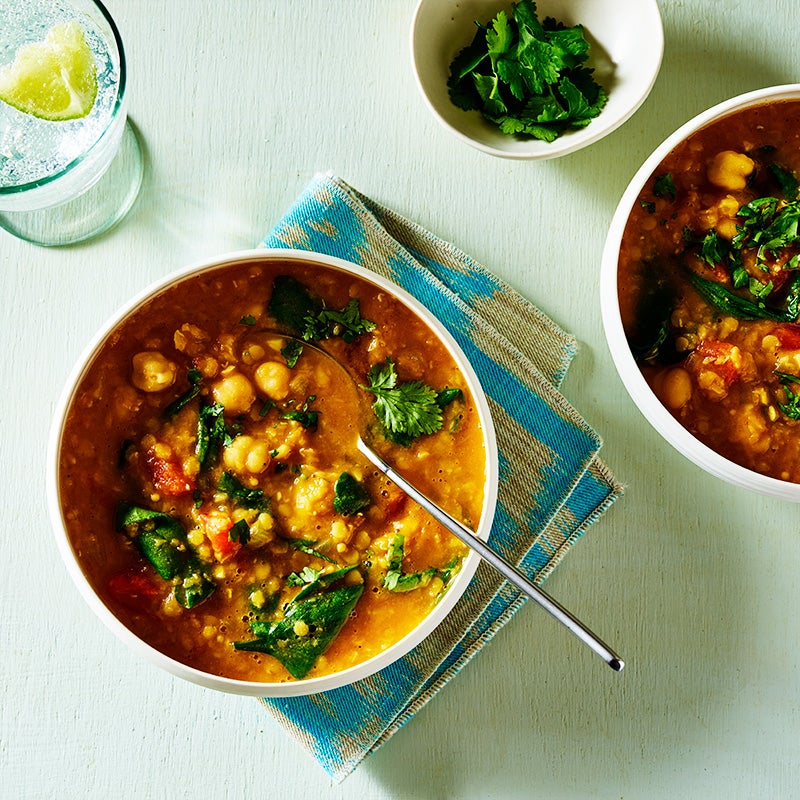

Curried Red Lentil-Chickpea Stew with Tomatoes & Spinach
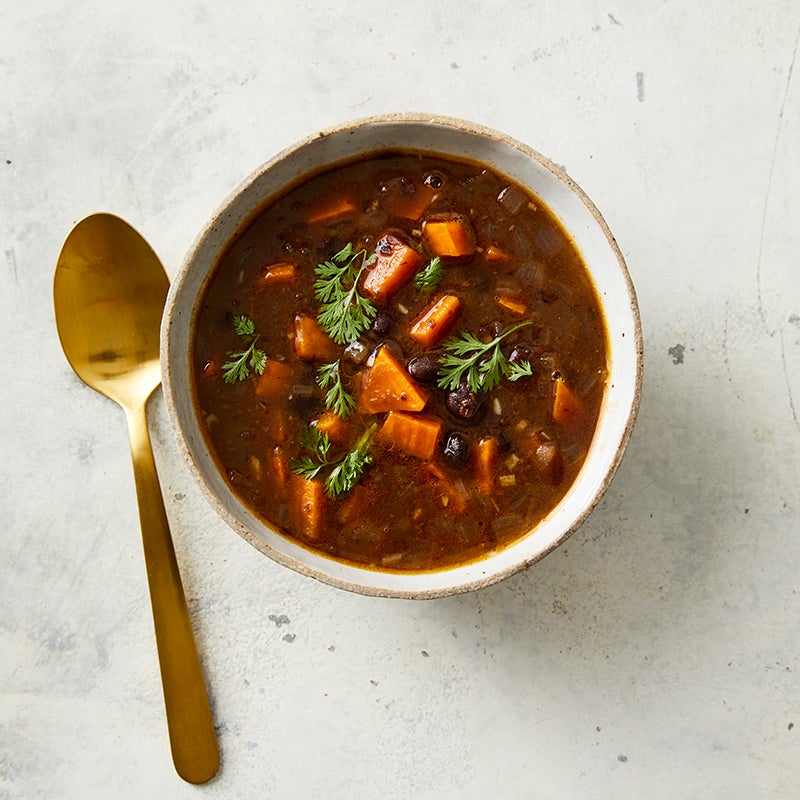

Black bean & sweet potato stew
Casseroles
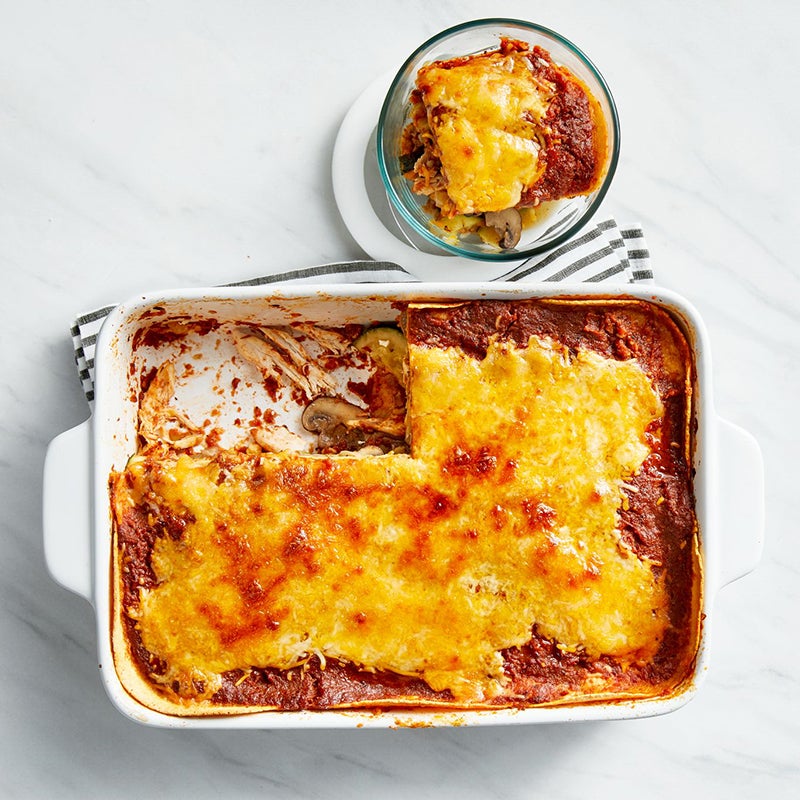

Shredded Chicken Enchilada Casserole
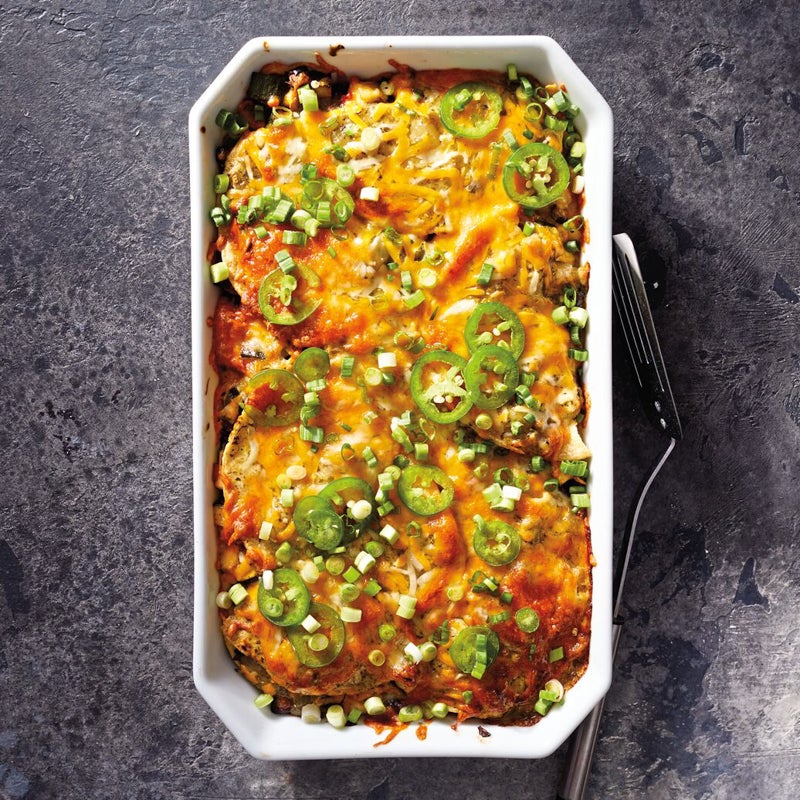

Vegetarian Taco Casserole
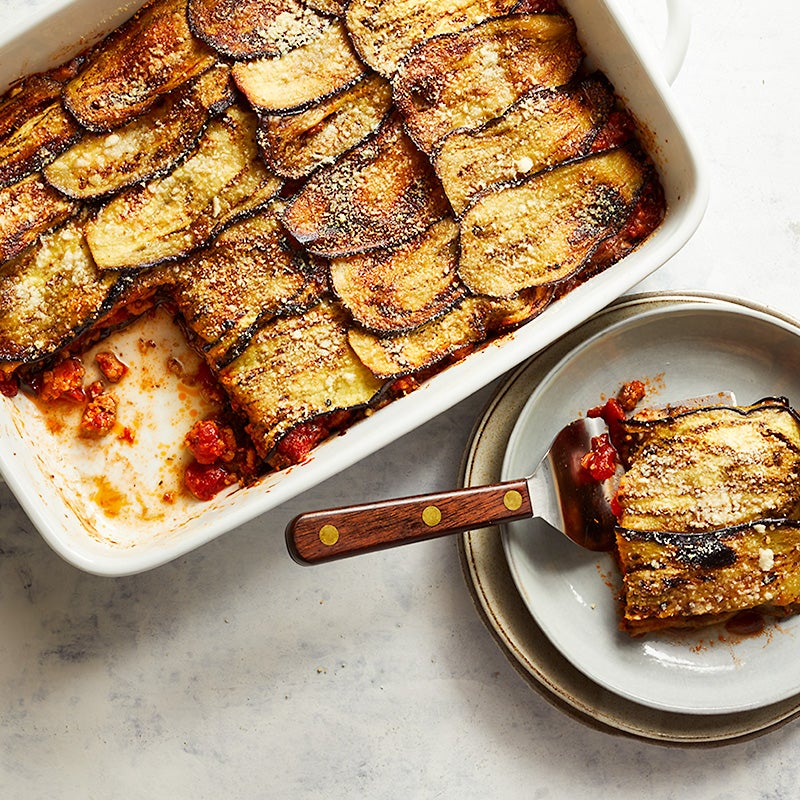

Eggplant and chicken casserole
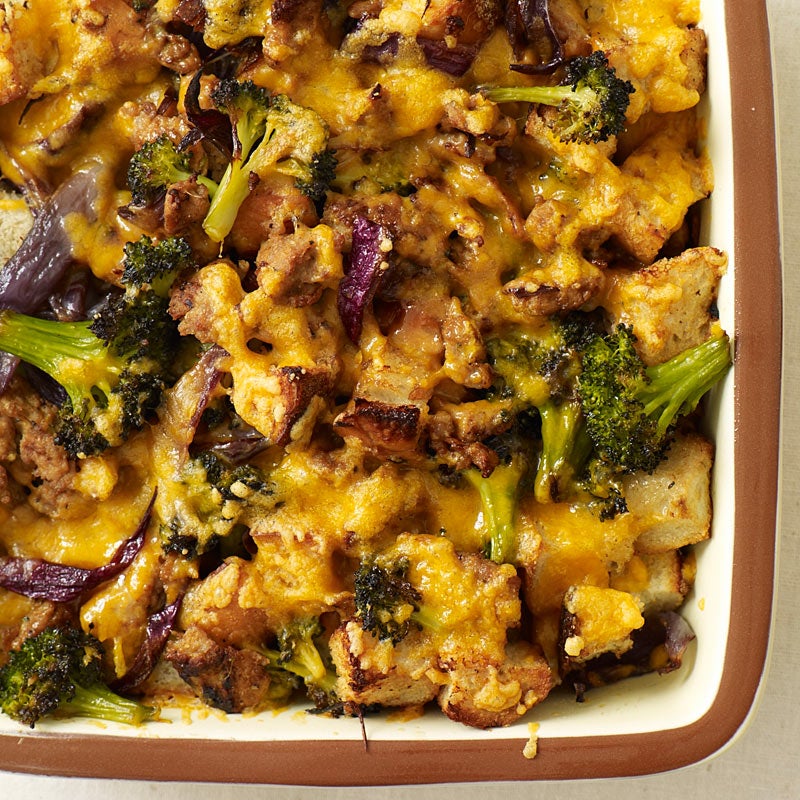

Broccoli and sausage casserole
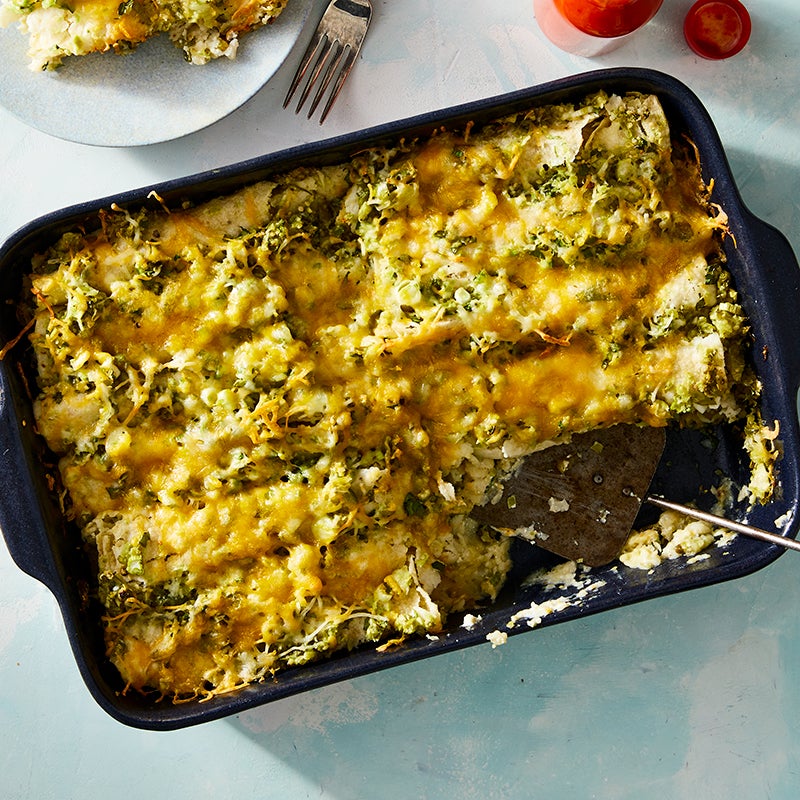

Chicken & Tomatillo Enchilada Casserole
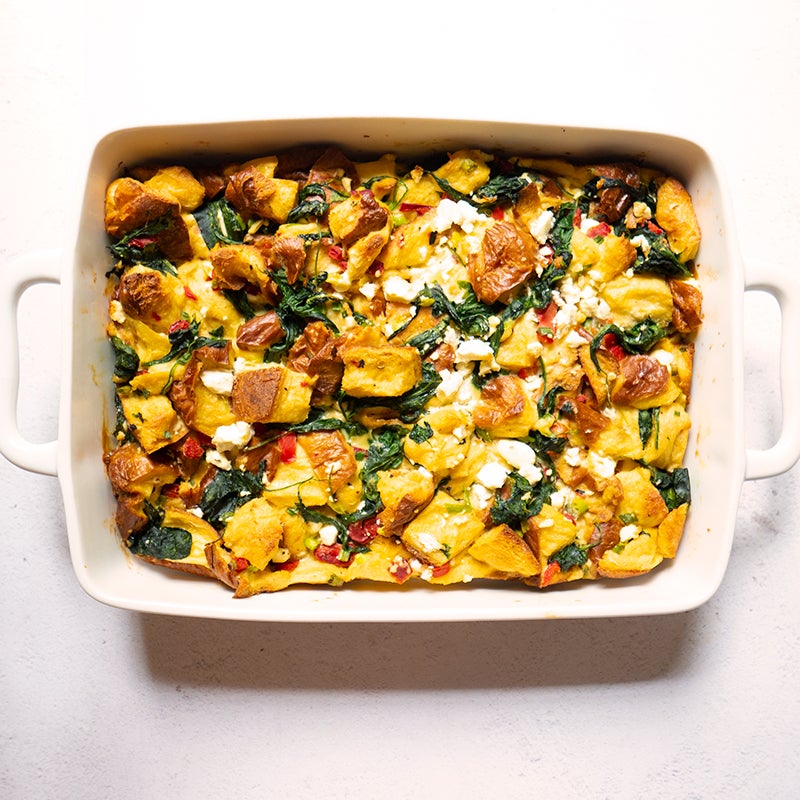

Spinach, Red Pepper & Goat Cheese Challah Strata
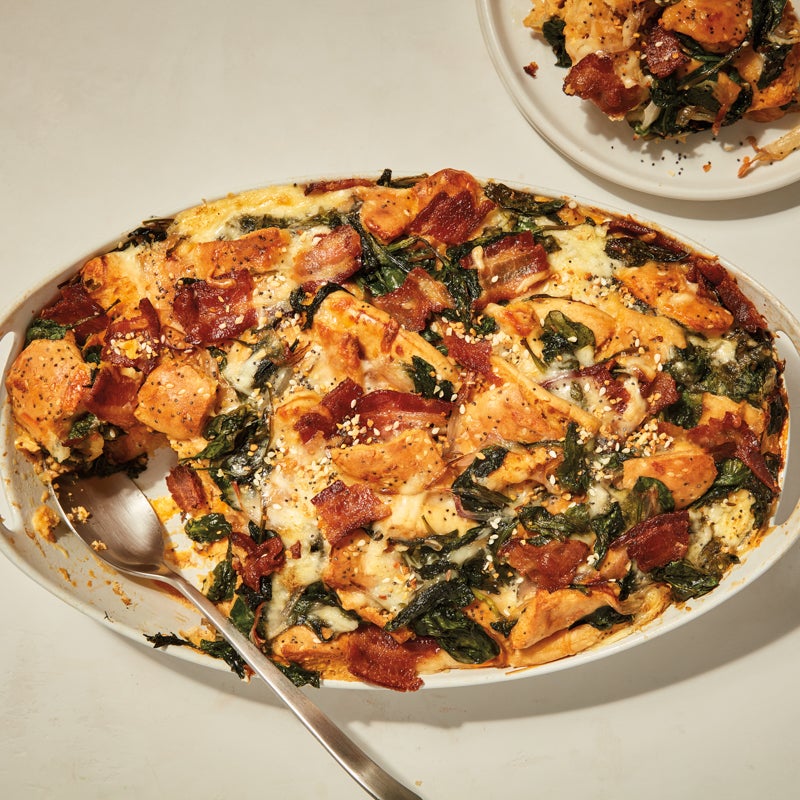

Everything bagel strata
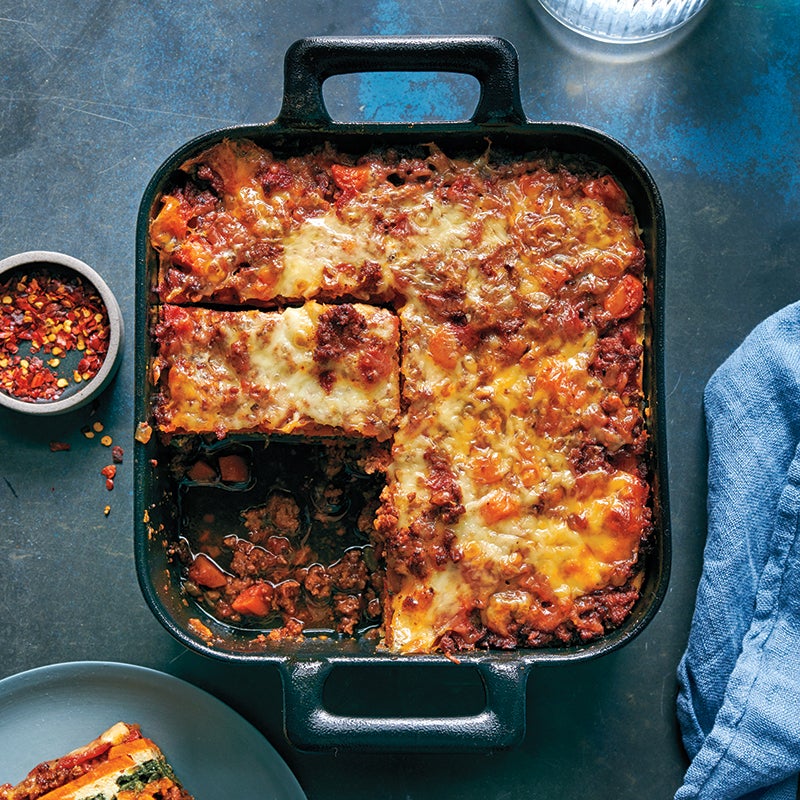

Sweet potato lasagna with turkey and sage

Hash browns, egg, and cheese casserole
Baked pastas
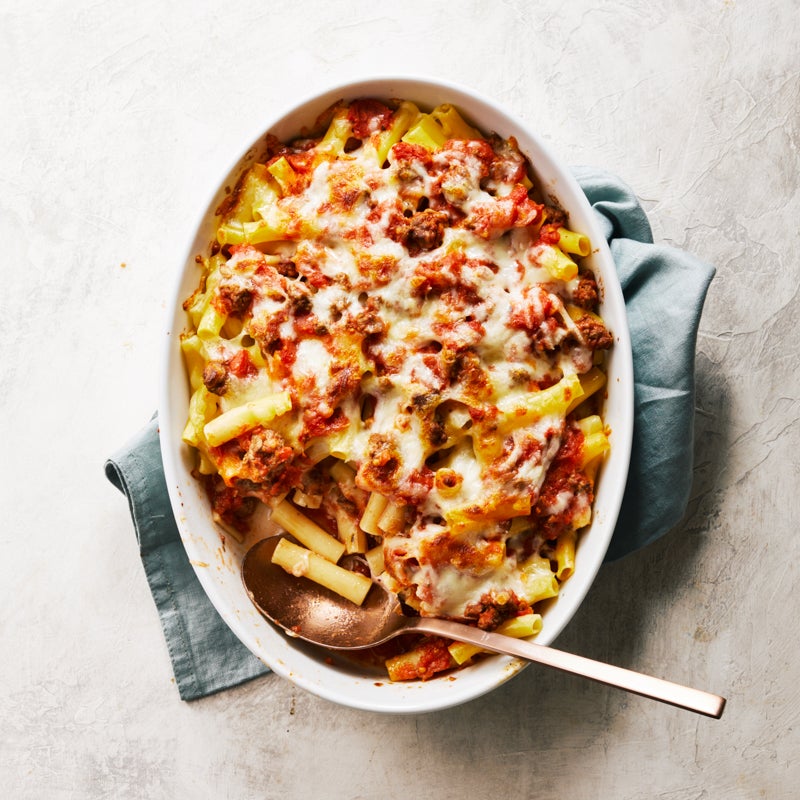

Baked beef ziti
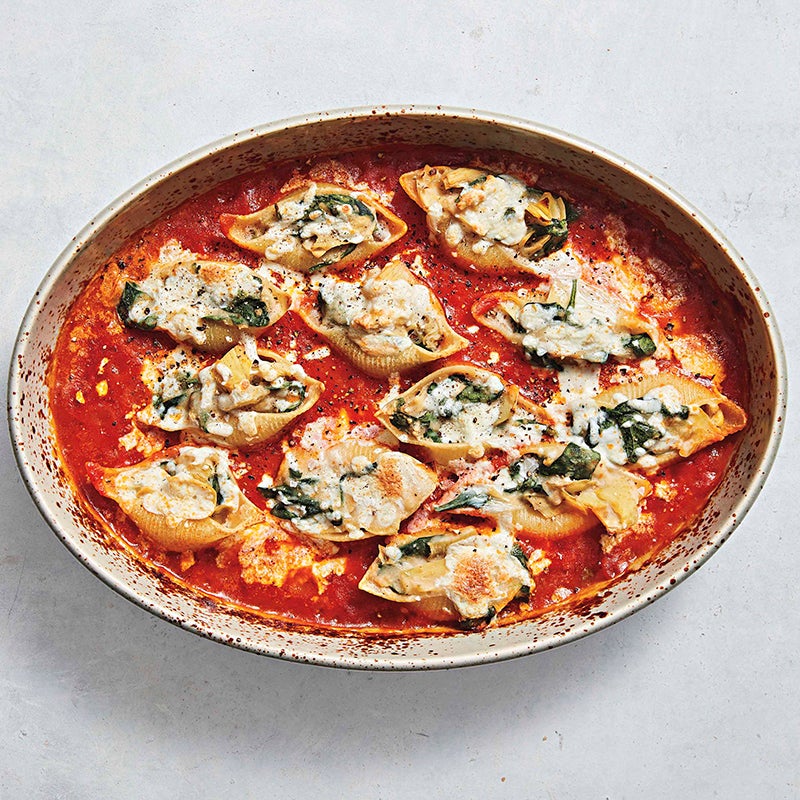

Spinach-Artichoke Stuffed Shells


Classic Lasagna
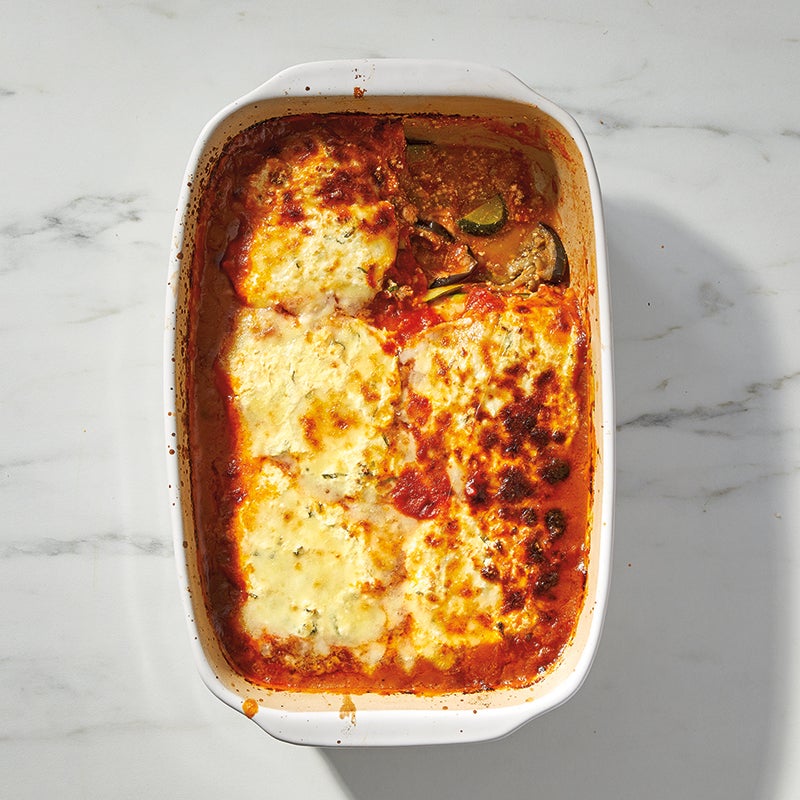

No-Noodle Vegetable Lasagna
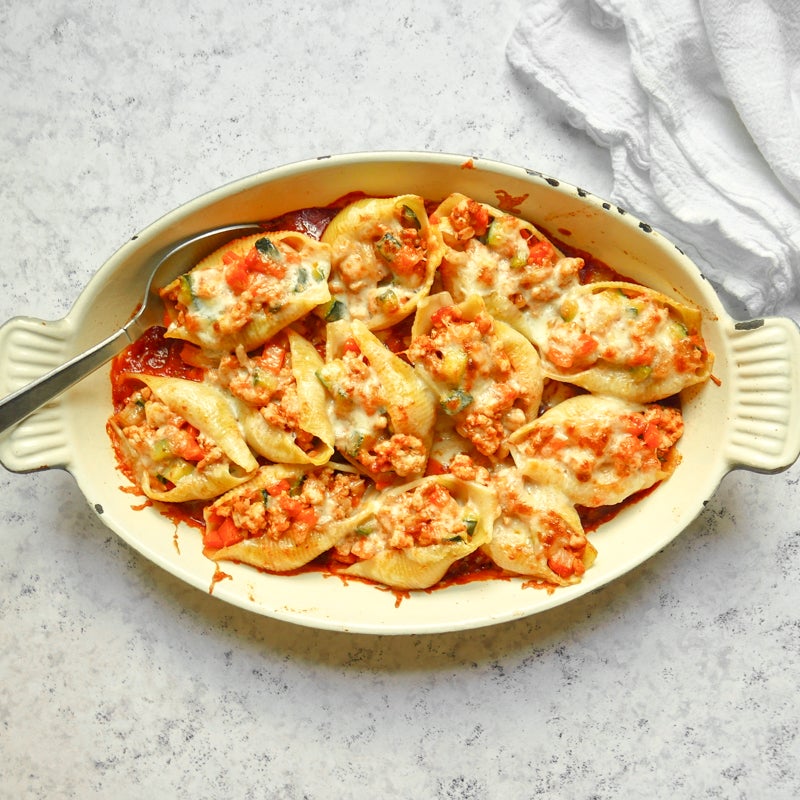

Turkey-veggie bolognese stuffed shells
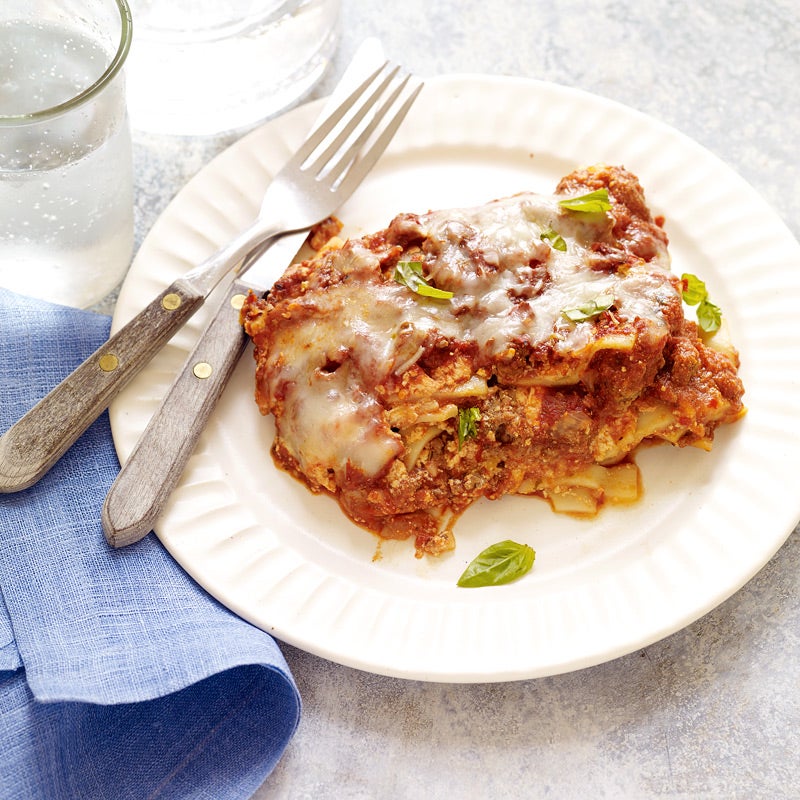

Slow-Cooker Lasagna
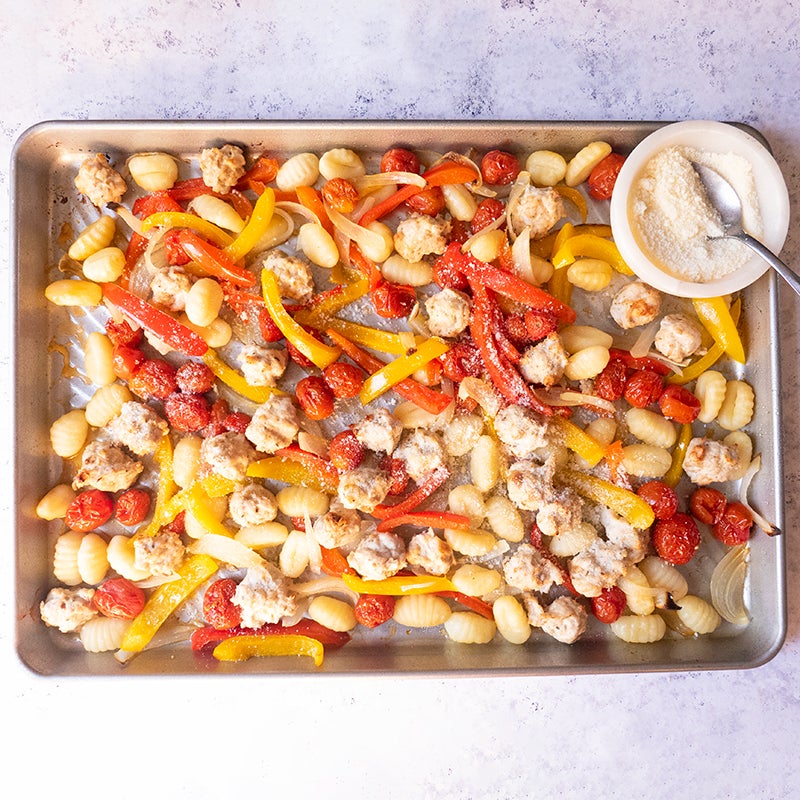

Sheet Pan Gnocchi-Meatball-Veggie Bake
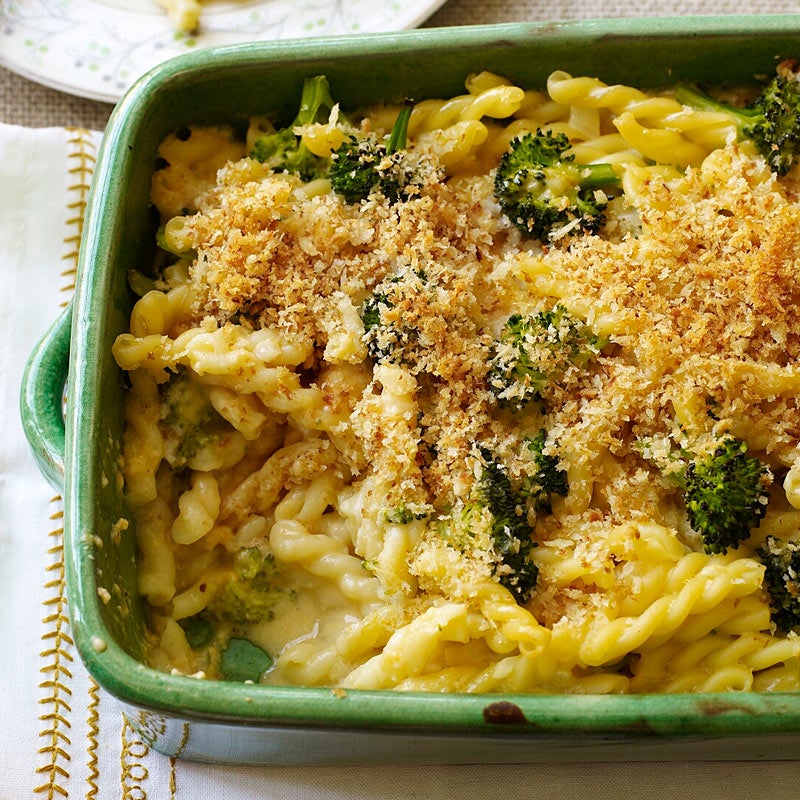

Baked macaroni and cheese with broccoli
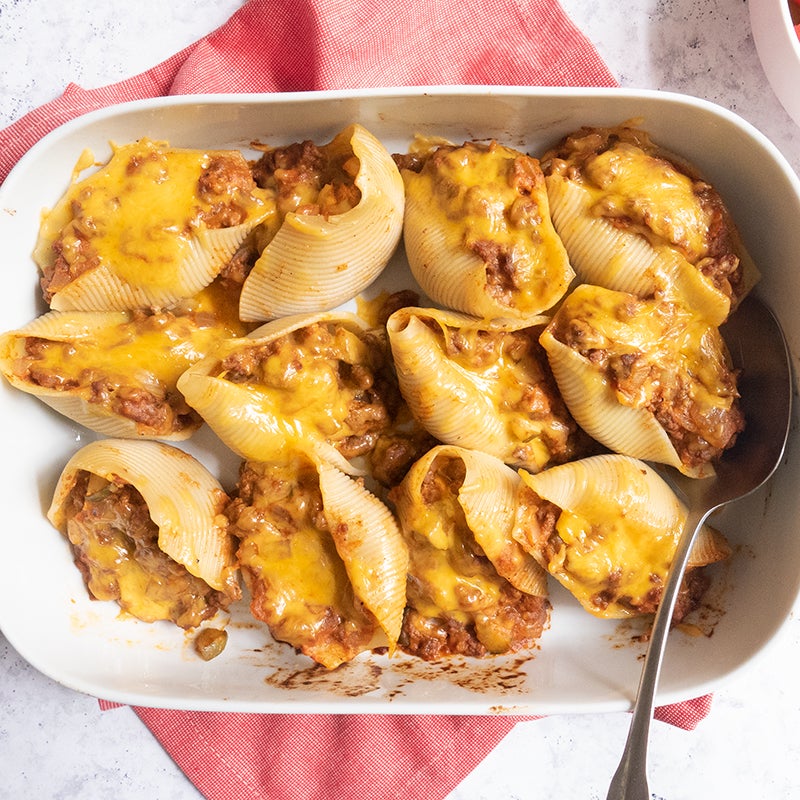

Cheeseburger Stuffed Shells
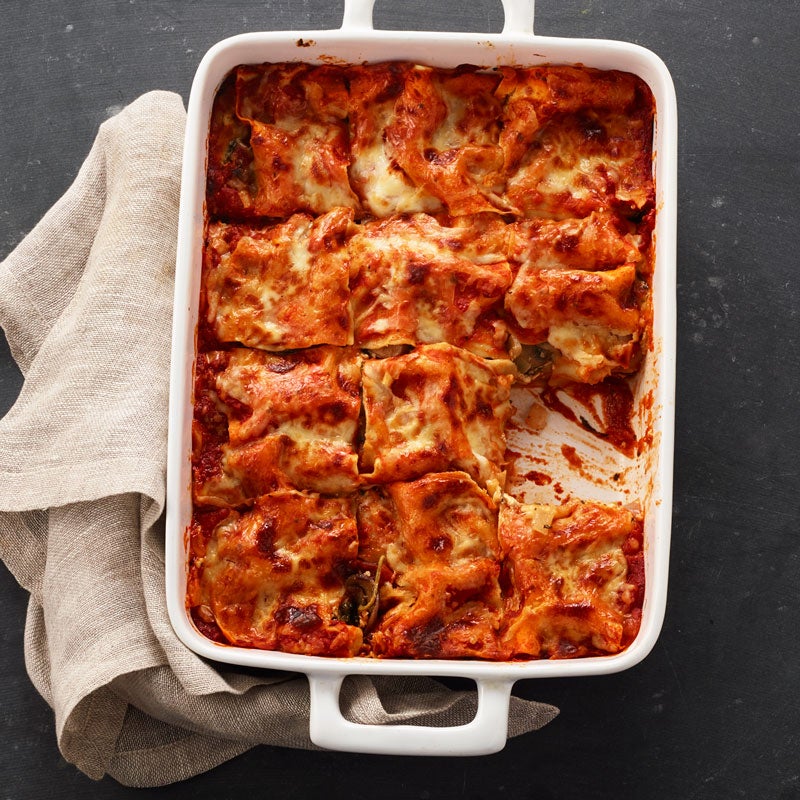

Cremini & Spinach Vegetable Lasagna
Stir-fries
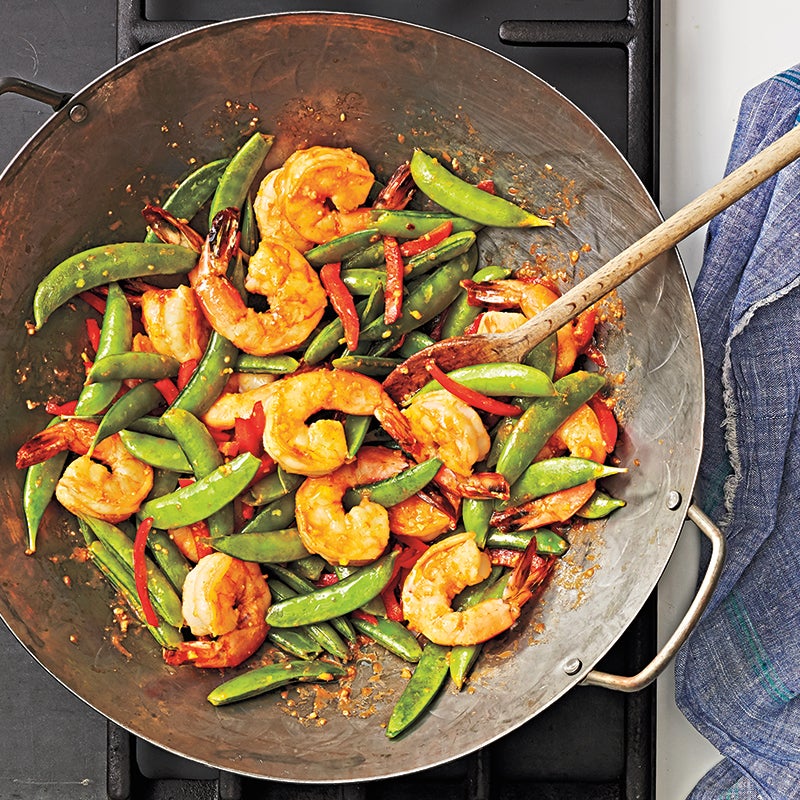

Stir-Fried Spicy Ginger Shrimp with Sugar Snaps
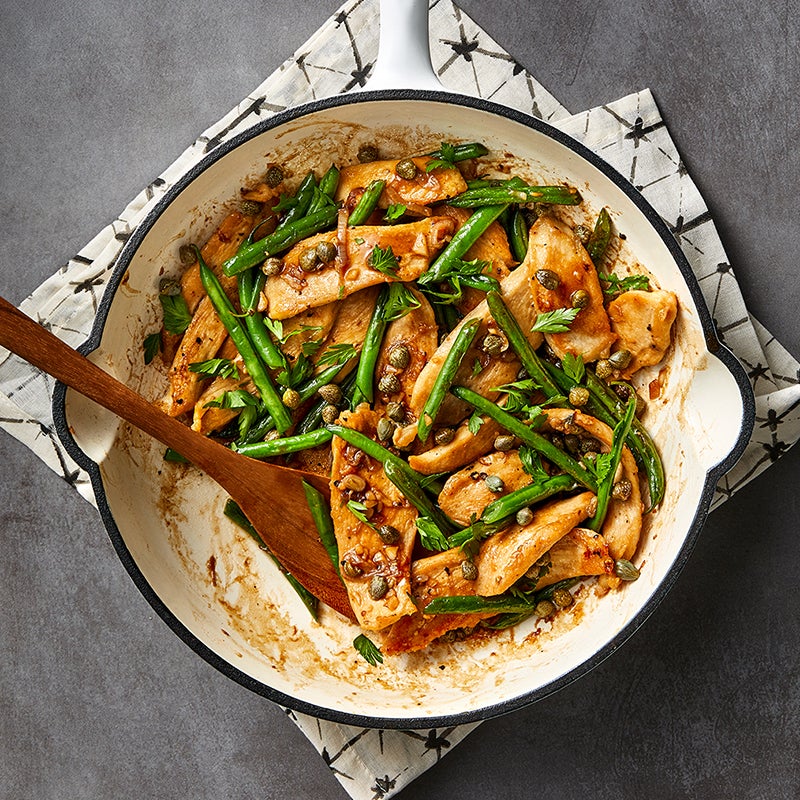

Chicken piccata stir-fry
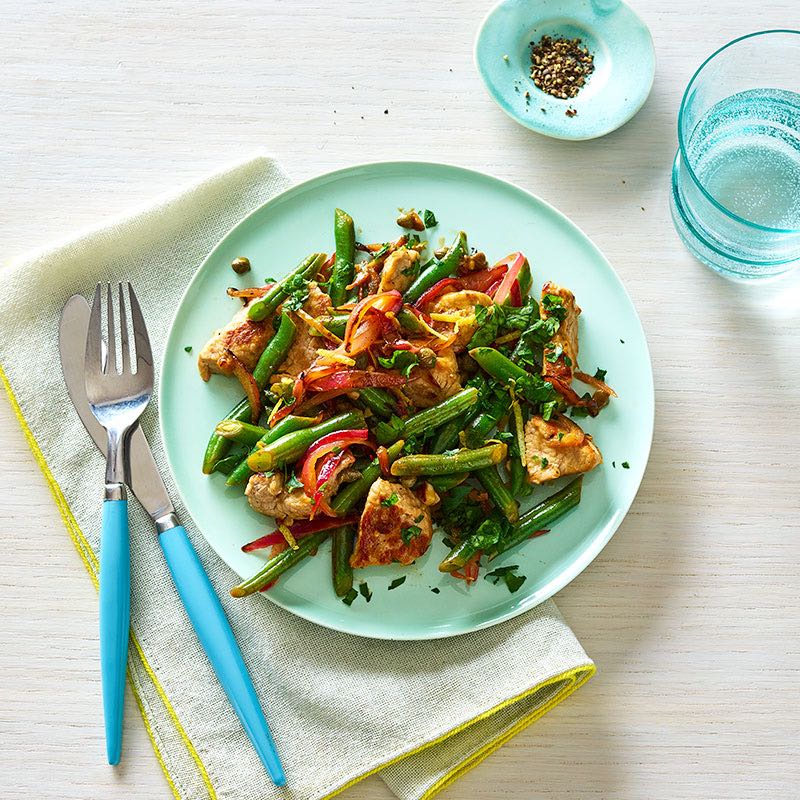

Lemony Pork & Vegetable Stir-Fry
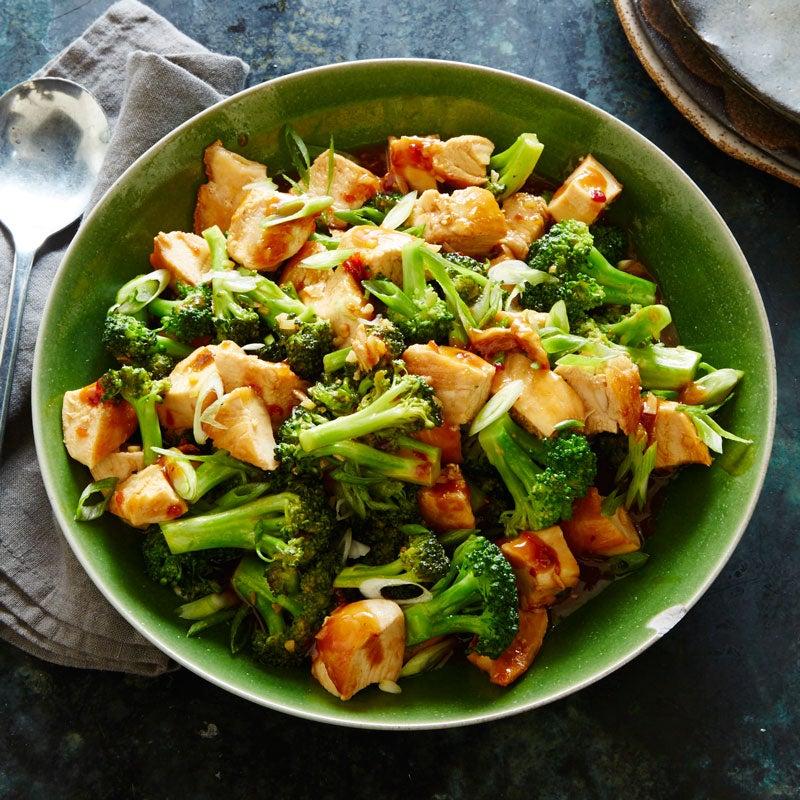

Sesame Chicken & Broccoli Stir-Fry
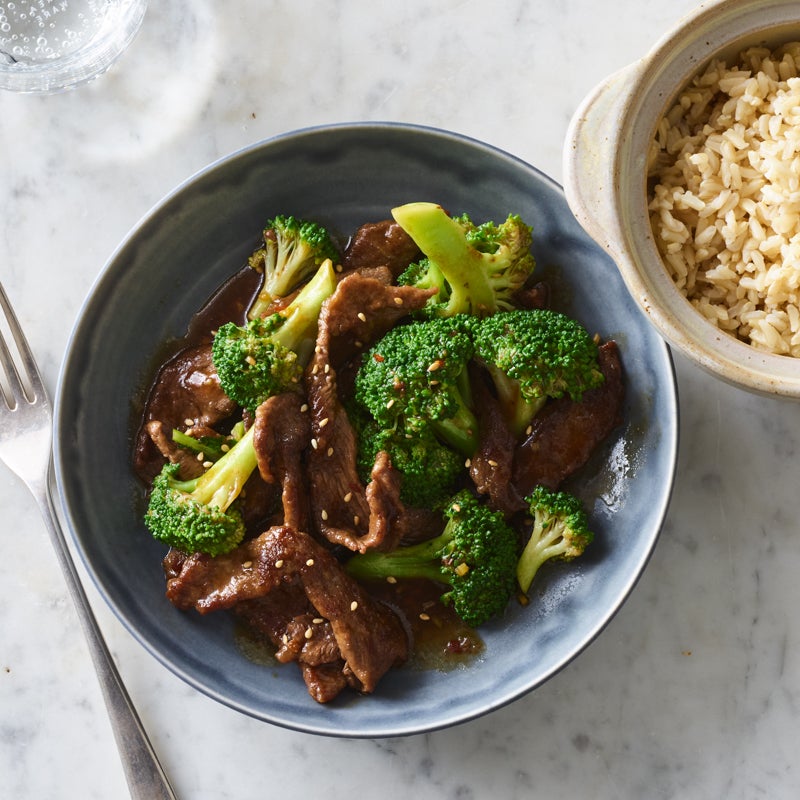

Beef & Broccoli Stir-Fry
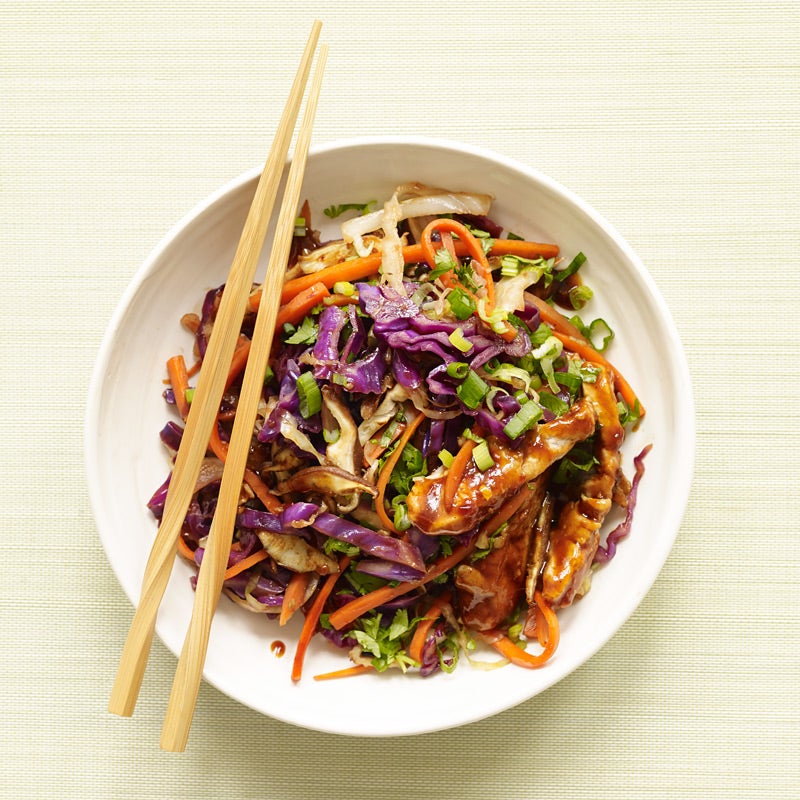

Moo Shu Pork Stir-Fry
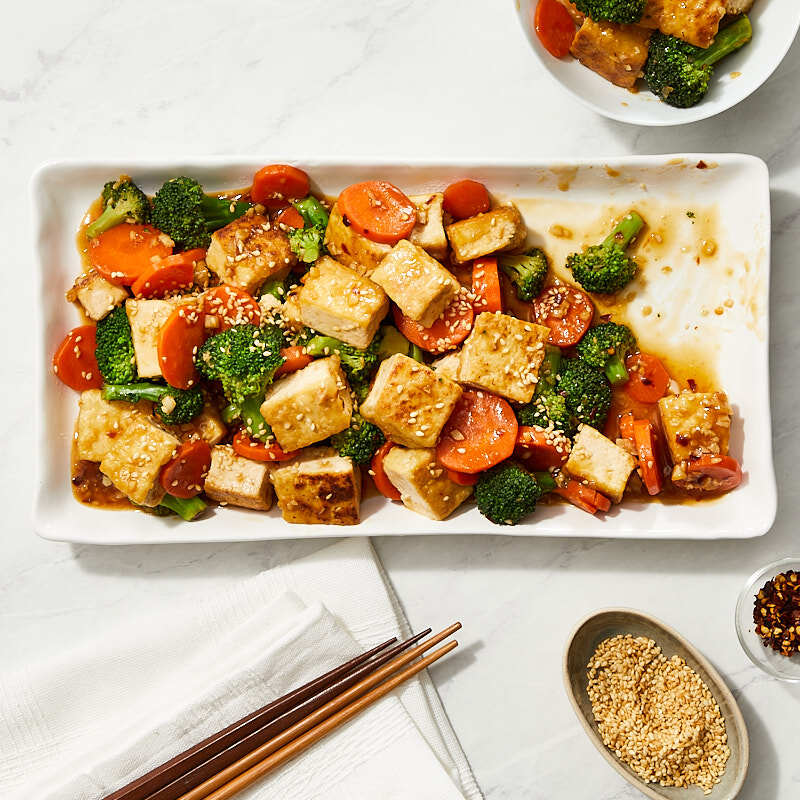

Tofu & Broccoli Stir-Fry with Garlic Sauce
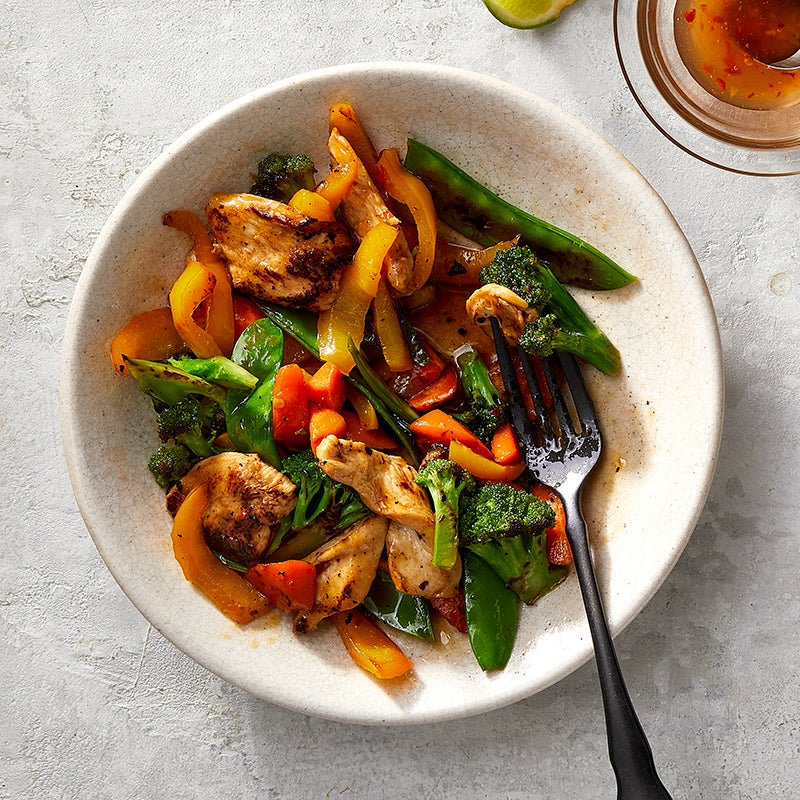

Sweet Thai Chili Chicken Stir-Fry
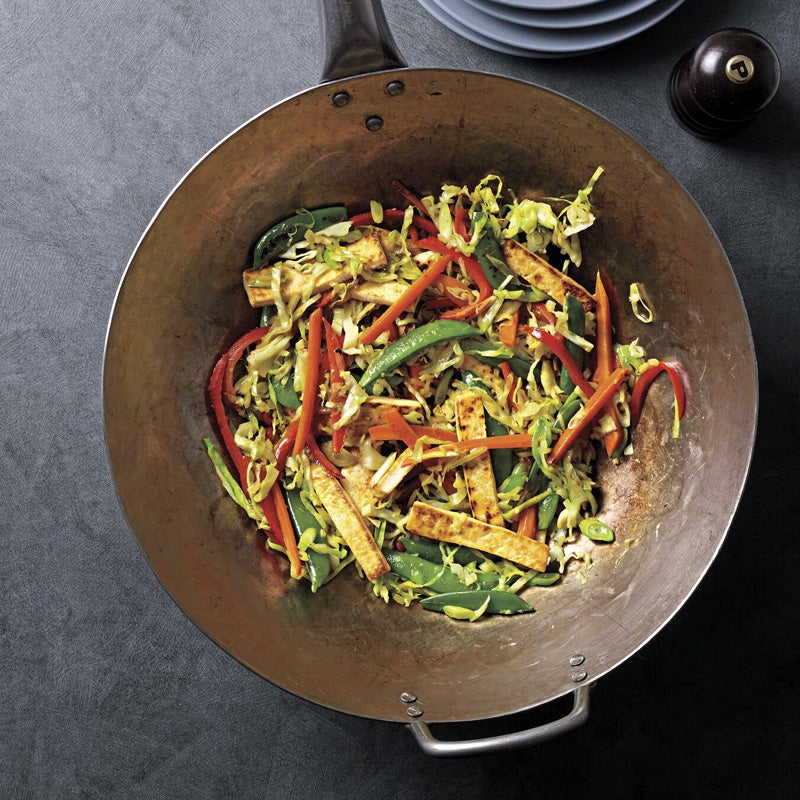

Tofu stir-fry with peanut sauce
Next, follow these tips for freezing your leftovers.
Cool food to room temperature, leaving out for no more than the safe limit of two hours. For large dishes that retain heat—such as casseroles—divide into smaller, freezable containers to encourage faster cooling.
Choose containers that close tightly; sealing out air prevents ice crystals from forming. Plastic zip-top freezer bags, quart- and pint-size takeout containers with lids, tightly wrapped aluminum pans, glass jars with screw-on tops, and reusable hard plastic food containers all are good options. Own a vacuum sealer? Use it!
When transferring liquid-based dishes such as soup or stew to freezable containers, leave an inch or two of space at the top, as liquids expand as they freeze.
Use a permanent marker (and stick-on label, if you like) to note each container’s contents and their date of preparation. When properly frozen and stored, fully cooked food generally retains its quality for 3 to 6 months.
If possible, place containers in the freezer in a single layer, to encourage quick freezing. Once contents are fully frozen, free free to stack containers to make room for other items.
When you’re ready to thaw and reheat, here’s what to do.
Defrosting a day ahead of time is ideal. Thawing food overnight in the refrigerator ensures its temperature stays in the safe zone, under 40℉. (To prevent foodborne illness, never defrost food at room temperature for longer than two hours.)
If you haven’t planned ahead, a microwave might be helpful. Most microwaves have a defrost setting that can thaw and heat small quantities of frozen food in minutes. Just make sure your container is microwave-safe.
“Piecey” dishes such as stir-fries also reheat well in a nonstick skillet over medium-low heat. Add a few drops of water for moisture if needed.
Casseroles and pasta bakes are especially easy to warm up—simply heat at 350℉, covered, until warmed through. Figure 20–30 minutes for food that is already defrosted; an hour or so if starting from fully frozen.
To reheat soups—including chili and stew—start by submerging the sealed, frozen container in a bowl of hot water for 10 minutes. This will thaw the outermost edge on the frozen block. Then, tip the container over a saucepan or pot, letting the frozen mass slip in. Warm over low heat, breaking up frozen chunks with the back of a wooden spoon, until simmering.