45 Ideas for Using November’s Best Fruits and Veggies
Bring bright flavors to your table even as fall turns colder.
While it may not seem that way, pumpkin isn't the only thing in season in November. (Though if you want to make pumpkin spice everything, we don’t blame you.) Read on for ways to use more of late fall’s delicious fresh produce, including Brussels sprouts, delicata and acorn squash, and pears—who says apples get to have all the fun?
Brussels Sprouts
These tiny, leafy cabbages are typically sold loose in containers, but if you find them sold on their stalk, buy one for the ultimate in freshness. Loose sprouts can last five to 10 days in a perforated plastic bag in a dry refrigerator vegetable bin (moisture accelerates spoilage). Sprouts on stalks last longer—up to 14 days.
Look for firm Brussels sprouts with bright green leaves. Avoid any with black spots or too many yellow leaves. Small- to medium-size sprouts are sweetest and the most tender. Larger sprouts have a tough core, an intense cabbage flavor, and require longer cooking time. If you want to shorten prep time, look for containers of cleaned, halved or already shredded sprouts at your grocery store. Halved sprouts roast up deliciously and shredded sprouts are fabulous sauteed or tossed into salads.
Brussels sprouts are rich in vitamins C and K, and are a good source of vitamin A.
Our Best Brussels Sprouts Recipes
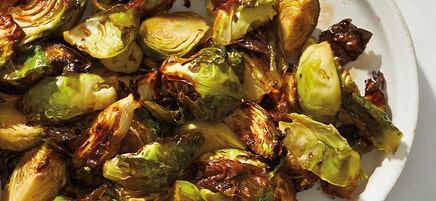
Air-Fried Brussels Sprouts with Balsamic
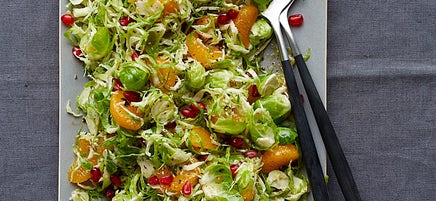
Brussels sprouts salad
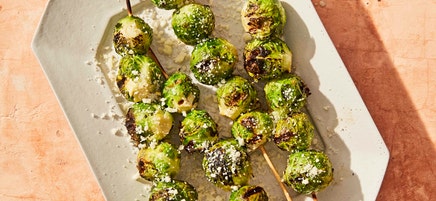
Grilled Brussels Sprout Skewers
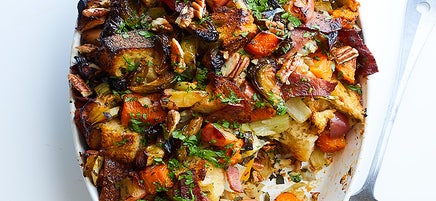
Roasted vegetable & herb stuffing
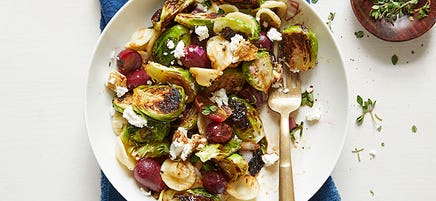
Orecchiette with Roasted Brussels Sprouts & Grapes
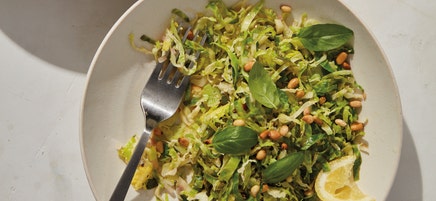
Shredded Brussels sprouts with basil & pine nuts

Brussels Sprouts & Prosciutto Pizza
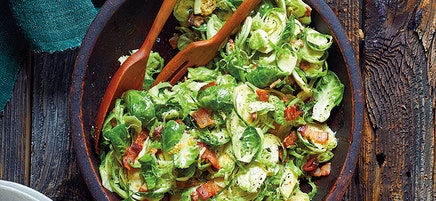
Sliced Brussels Sprouts with Hot Bacon Dressing
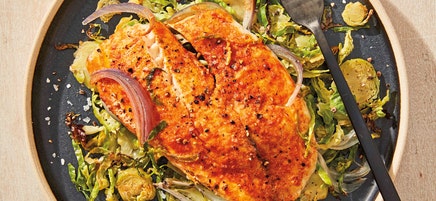
Grilled Tilapia & Brussels Sprout Packets
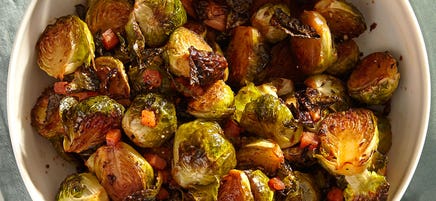
Roasted Spicy Brussels Sprouts

Brussels Sprouts Salad with Dried Cherries & Hazelnuts
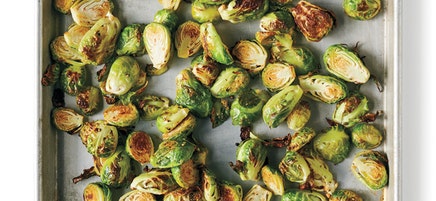
Roasted Brussels sprouts
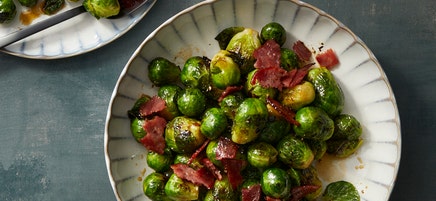
Maple-Roasted Brussels Sprouts

Crispy Air-Fryer Brussels Sprouts

Brussels sprouts with raisins and pecans
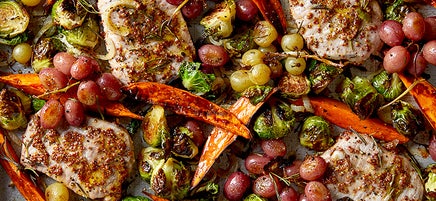
Rosemary pork with Brussels sprouts, sweet potatoes, and grapes
Delicata & Acorn Squash
Delicata squash is small and oblong with stripes. It has a creamy, very sweet, dense flesh with a caramel-like flavor. Acorn squash is, well, acorn-shaped, with a ridged green or green and orange exterior and a sweet, dense, slightly fibrous flesh.
What makes both of these winter squash special is that you can eat their skins when cooked, which makes them so easy to prepare (no peeling!). Purchase squash that have hard, unblemished skins. Make sure to scrub them well before halving them and scooping out the seeds with a spoon.
If stored in a cool, dry area such as a pantry or cellar, whole squash will keep for months. If stored on your kitchen counter, whole squash will last for one to two weeks. Cut squash will last a few days in your fridge (no need to put whole squash there).
Though winter squash is typically used in savory preparations, it can also be cooked and pureed in quick bread and muffin recipes, and stuffed and used like a pie “crust.”
Winter squash is an excellent source of vitamins A and C as well as potassium and dietary fiber.
Our Best Winter Squash Recipes
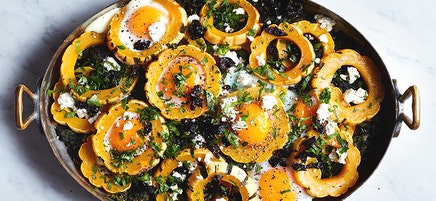
Baked Eggs with Delicata Squash, Spinach & Feta

Fusilli with Delicata Squash, Blue Cheese & Arugula
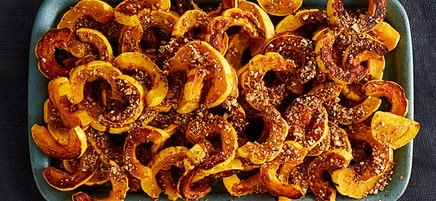
Roasted Delicata Squash with Egyptian Dukkah
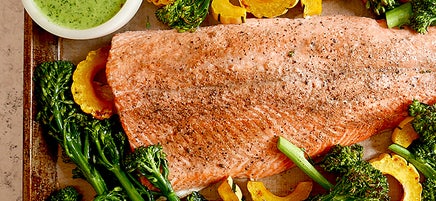
Sheet Pan Chimichurri-Arctic Char & Vegetables
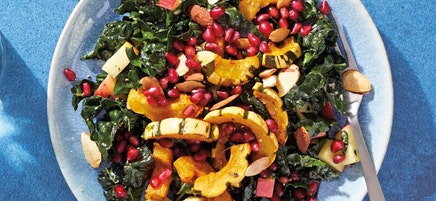
Kale Salad with Roasted Squash, Pomegranate & Almonds
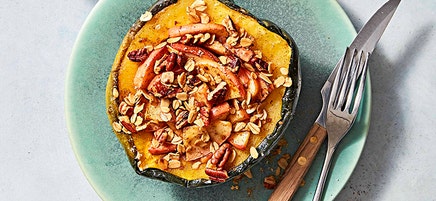
Acorn Squash Apple Pie
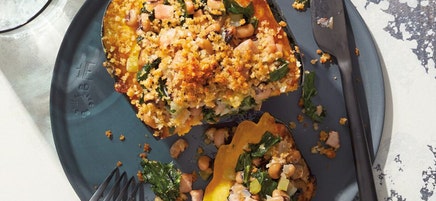
Black-Eyed Pea–Stuffed Acorn Squash

Moroccan Chickpea-Stuffed Acorn Squash
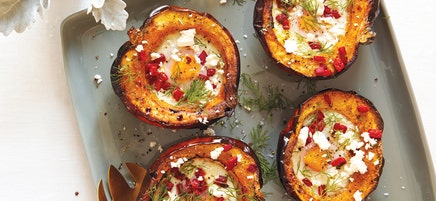
Baked Eggs in Acorn Squash with Roasted Peppers & Dill

Tex-Mex Mini Meatloaf with Roasted Acorn Squash
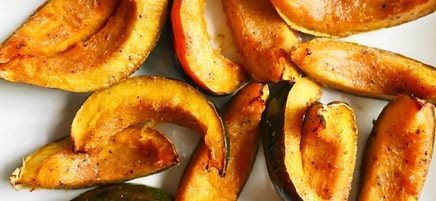
Miso & Honey–Glazed Acorn Squash
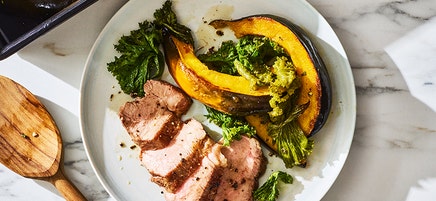
Pork Tenderloin with Winter Squash & Mustard Greens
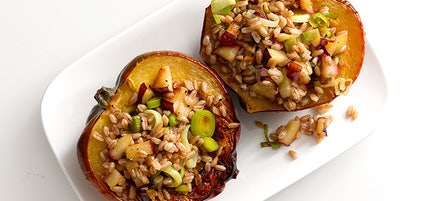
Farro-Stuffed Acorn Squash
Pears
Apples may get all the attention, but the “other fall fruit” has so much to offer! A perfectly ripe pear is sweet, silky, and delicious on its own, but pears are also wonderful in sheet-pan dinners, stuffed desserts, soup recipes, and more.
Look for pears that are free of soft spots, nicks, or cuts. Skin color varies from variety to variety, so don’t use it as a gauge of ripeness unless you are familiar with the type. Since pears are harvested before they’re fully ripe and kept in cold storage before they are sold to consumers, you usually have to let pears ripen at home at room temperature for a few days before you enjoy them. To hasten the ripening process, you can place a few pears in a paper bag with an apple.
To check a pear for ripeness, press gently into the “neck” of the fruit; if it yields slightly, the pear is ready to eat. If you wait till the bottom part feels soft, the inside may already be brown and mushy. Enjoy ripe pears within a day or two, or refrigerate ripe pears for about five to seven days. One medium pear contains 5 grams of hearty-healthy fiber.
Our Best Pear Recipes
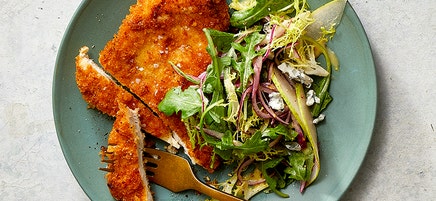
Air-Fried Chicken Cutlets with Pear and Blue Cheese Salad
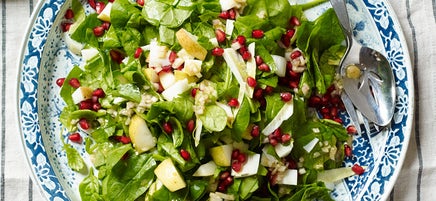
Chopped spinach & pear salad with sherry vinaigrette
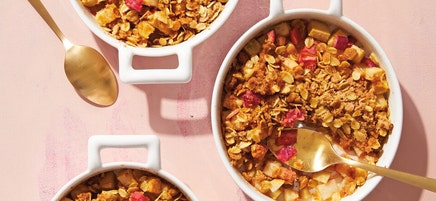
Individual Pear & Rhubarb Crisps
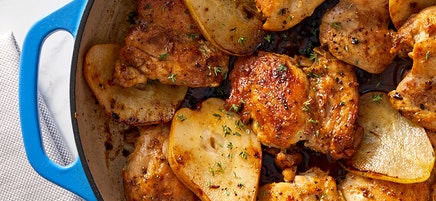
Cumin-Spiced Chicken with Pears
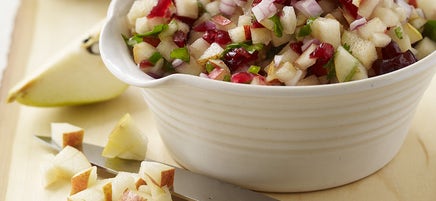
Fresh Pear-Cranberry Chutney

Kale & Roasted Squash Salad
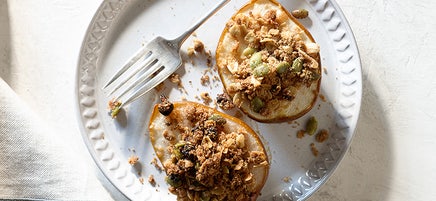
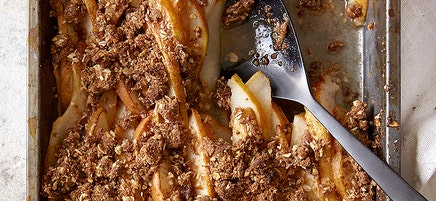
Roasted Pears with Oatmeal-Raisin Crumble
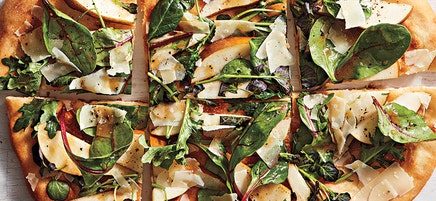
Mesclun pizza with pears & Parmesan

Autumn Pork Sheet-Pan Dinner
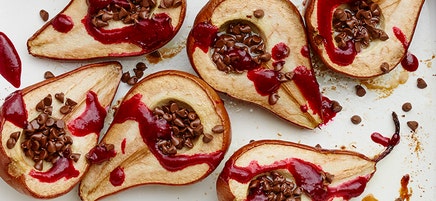
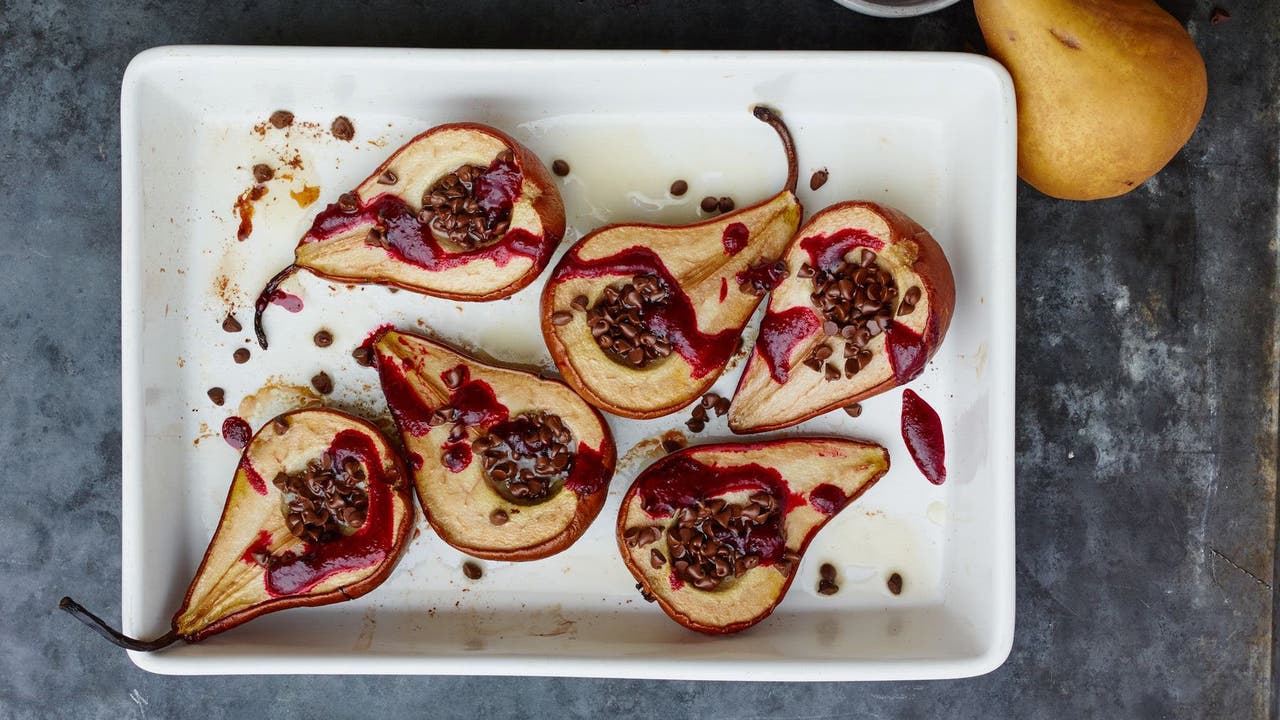
Baked pears with chocolate and raspberry sauce
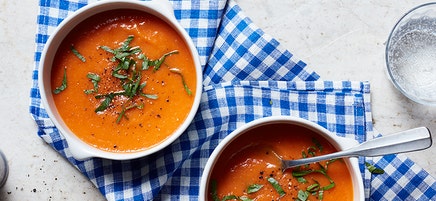
Roasted Red Pepper & Pear Soup
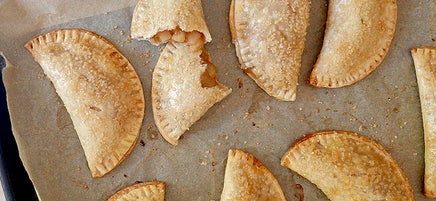
Pear-Ginger Hand Pies
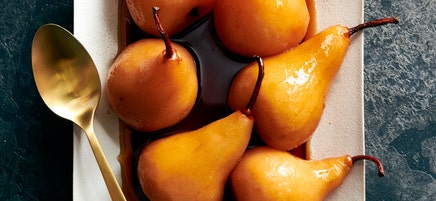
Pears in Port Wine
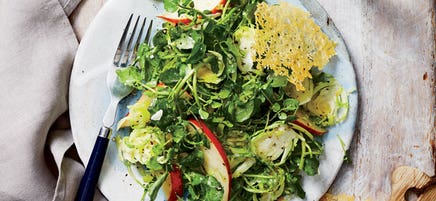
Brussels Sprouts, Watercress & Pear Salad with Parmesan
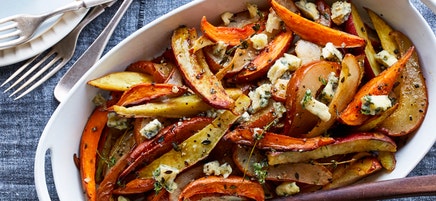
Roasted sweet potato and pears