29 Ways to Use February’s Best Fruits and Veggies
You heard it here first: oranges aren’t the only vitamin C-packed produce in season during winter.
Listen, we’re first in line when the grocery store gets Sumo oranges again, but that’s not all we’re grabbing come February. Jicama and fennel—both Points®-adding non-starchy veggies, both also rich in vitamin C—are at their best right now. Read on for our favorite ways to cook all three, plus tips for shopping and storing them.
Oranges
Yes, you can get oranges all year long, but they hit their peak of deliciousness during the winter months. And while they’re a vitamin C superstar, they’re also a good source of heart-healthy potassium and magnesium.
Hot tip: blood oranges, Cara Cara oranges, and Sumos are some of the easiest to peel. Zest them before peeling; the zest intensifies the flavors in your recipes and helps keep other ingredients from drying out.
When shopping, pick heavier oranges—that means they’re juicer. Store at room temperature for several days, or in the fridge if you want to keep them longer.
Our Best Orange Recipes

Yogurt Trifle Parfaits

Orange, Pomegranate & Feta Salad

Maple-mustard roast turkey tenderloin with broccolini

Grilled Tuna with Fennel, Orange, and Olive Salad

Chicken Tagine with Butternut Squash, Orange and Onions
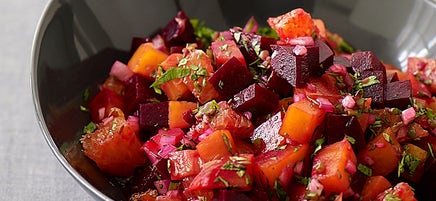
Roasted Beet and Orange Salsa

Minted Citrus Salad
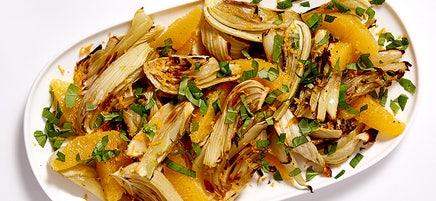
Roasted Fennel with Orange and Basil
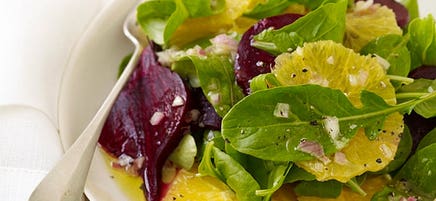
Orange, Beet and Arugula Salad

Sheet Pan Orange-Thyme Chicken with Carrots and Brussels Sprouts

Blushing orange champagne cocktail
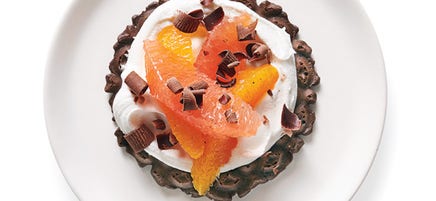
Chocolate pizzelle fruit tart

Orange Upside-Down Cake
Jicama
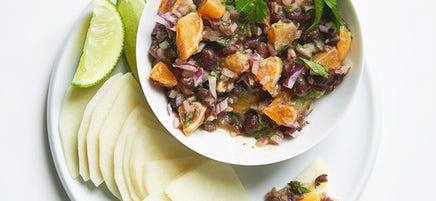
Jicama (HEE-kah-ma) is a fiber-rich root vegetable with a brown exterior and a cream-colored, crunchy, slightly sweet interior. Once peeled, it’s great raw as crudite, but can transform into everything from noodles to hash browns. You can even slice it paper-thin and use it instead of tortillas in soft tacos.
Choose small- or medium-size jicama with smooth, unblemished skins, and store them in your fridge’s vegetable bin for up to two weeks.
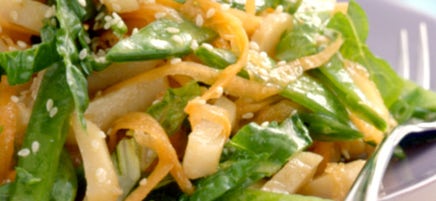
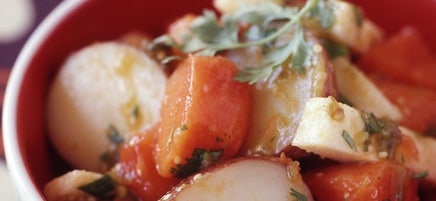
Our Best Jicama Recipes


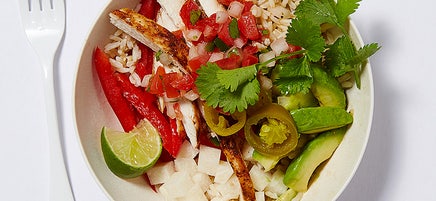
Fennel
Pocket this for your next trivia night: this licorice-flavored non-starchy veggie is actually a member of the parsley family. Another fun fact: One cup of chopped raw fennel provides about 360mg potassium, nearly the same amount as a banana.
To prep, slice off the stalks and fronds (save for garnishing and stock), then cut the bulb in half lengthwise and trim off the base. Fennel is crispy and delicious eaten raw, but if its licorice flavor is too strong for you, try it roasted instead. Cooked fennel becomes mild, sweet, and very tender.
Look for heads of fennel that are firm and tight, with straight green stalks and fresh-looking fronds. There should be no browning or mushiness at the base of the bulb. Whole fennel keeps in the refrigerator for up to a week.
Our Best Fennel Recipes

Italian Roasted Pepper and Tomato Bisque

Lemon-mint fennel and apple slaw

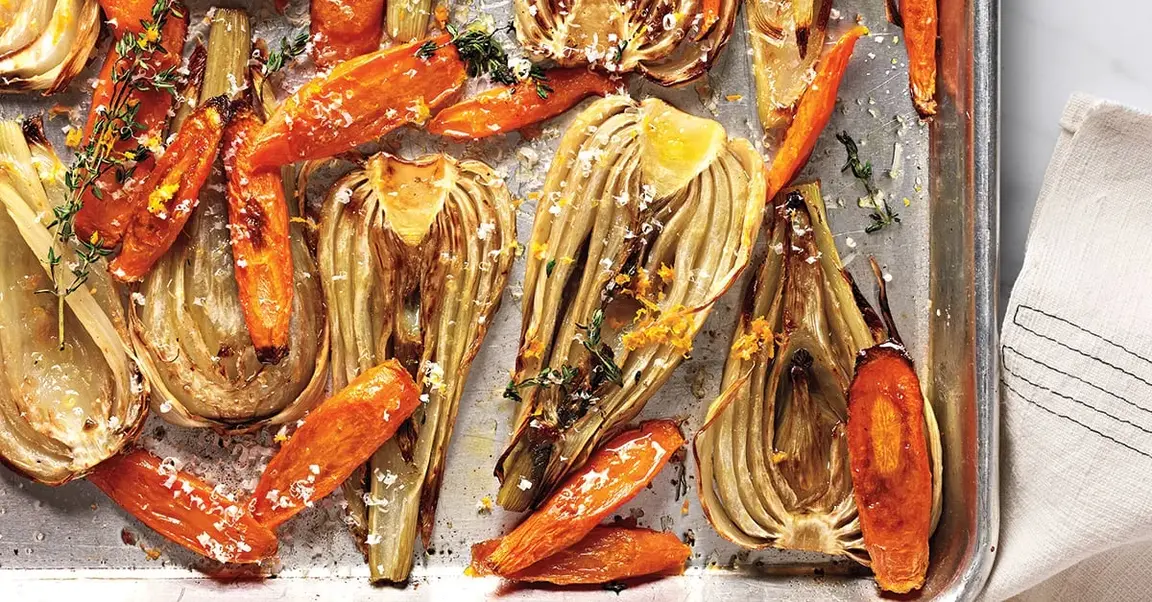
Sheet Pan Fennel and Carrots with Pecorino, Orange, and Thyme
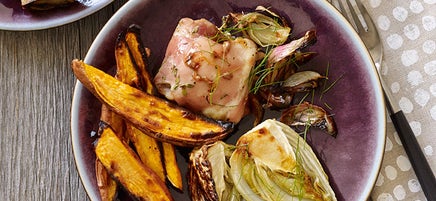
Lemon-Thyme Roast Chicken with Sweet Potatoes and Fennel
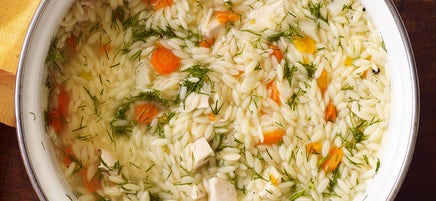
Chicken, Vegetable and Orzo Soup
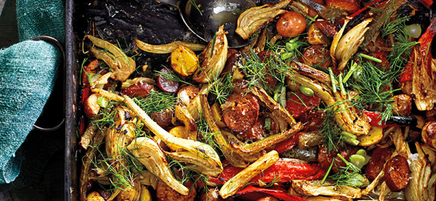
One-Pan Roasted Fennel with Potato, Peppers, and Chicken Chorizo

Tomato-fennel soup
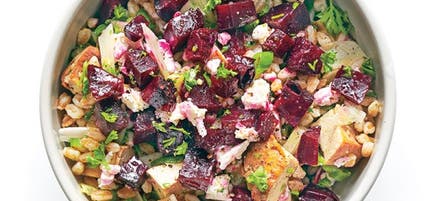
Farro and beet salad with fennel and feta

One-pot orecchiette with sausage, fennel and butternut squash