20 Low-Carb Vegetables
Are some vegetables lower in carbs than others? Read on to find out which vegetables may help you cut the carbs.

In this article:
- 1/ What are low-carb vegetables?
- 2/ 20 low-carb veggies
- 3/ 1. Tomatoes
- 4/ 2. Broccoli
- 5/ 3. Cucumbers
- 6/ 4. Cauliflower
- 7/ 5. Mushrooms
- 8/ 6. Zucchini
- 9/ 7. Lettuce
- 10/ 8. Celery
- 11/ 9. Spinach
- 12/ 10. Artichokes
- 13/ 11. Asparagus
- 14/ 12. Carrots
- 15/ 13. Jicama
- 16/ 14. Kohlrabi
- 17/ 15. Green bell peppers
- 18/ 16. Green beans
- 19/ 17. Eggplant
- 20/ 18. Cabbage
- 21/ 19. Kale
- 22/ 20. Brussels sprouts
- 23/ Keto-friendly vegetables
- 24/ Low-carb vegetable recipes
- 25/ 1. Zucchini noodles with tomato and basil cream sauce
- 26/ 2. Cucumber salad with quick pickled onion
- 27/ 3. Roasted cauliflower with lemon, garlic, and parsley
- 28/ 4. Kale and bacon frittata
- 29/ 5. Stir-fried sweet and spicy cabbage
- 30/ Low-carb vegetables printable list
- 31/ The upshot: Stock up on your low-carb veggies
You know that vegetables are good for you. However, the recent popularity of low-carb andketo dietshave many healthy eaters questioning how many carbohydrates different veggies contain—and how those carbs fit into their nutrition, fitness, and weight loss goals.
“Though vegetables provide a variety of important nutrients, they’re mainly made up of carbs—and some contain more than others,” saysKimberly Neva, MS, RD, a dietitian at Rush University Medical Center in Chicago.
Here, we’ll break down why some vegetables are higher in carbs than others; why loading up on low-carb veggies is so crucial for your health (especially if you’re on aPaleoorketodiet, which tend to encourage lower vegetable intake); and the best low-carb vegetables to put on your plate.
What are low-carb vegetables?
Typically, most vegetables that grow underground—called root vegetables—and certain other vegetables, such as corn and peas, contain more starch, a complex carbohydrate, than other vegetables, explains Katie Chapmon, MS, RD, a Pasadena, California-based dietitian.
These higher-carb vegetables are known as “starchy” veggies, which contain seven-plus grams of net carbs (that’s total grams of carbohydrates minus grams of fiber,anindigestible carbohydrateour bodies can’t break down) per serving. If you’re monitoring your carbohydrate intake (like on a low-carb or keto diet), though, you’ll want to stick to even lower-carb vegetables (a.k.a. “non-starchy” vegetables), which contain about five or fewer grams of net carbs per serving. While all sorts of vegetables fit the low-carb bill, you can typically assume that anything green and leafy is good to go, Neva says.
To be clear: All vegetables contain carbohydrates, which the body breaks down into sugars it uses for fuel. While many low-carb eaters swap out vegetables for foods that contain protein or fat (like animal protein or nuts), low-carb vegetables play an important role for everyone. “For few carbs and calories, low-carb veggies provide some fiber and water, and are very high in all sorts of nutrients, often including magnesium, phosphorus, potassium, and vitamin C,” Neva says.
Most nutrition experts recommend incorporating vegetables into all of your meals to get amplefiber, whichnourishes the healthy bacteria that live in the gut and promotes healthy digestion and a strong immune system, according to Neva. Eating ample fiber (25 and 38 grams per day, for women and men, respectively) is crucial for maintaining optimal health.
Given the benefits, “eating a variety of plant foods, including low-carb vegetables, on a daily basis is a great way to promote our overall health,” saysNicole Brown, MS, RDN, nutrition consultant to the National Center for Weight and Wellness in Washington D.C. “Not only does eating a variety of these vegetables increase our intake of different nutrients, but it also keeps eating well interesting and sustainable.”
20 low-carb veggies
Not sure which low-carb vegetables to put on your plate? The next time you head to the grocery store to load up on the good stuff, keep this low-carb vegetable list in mind. With 20 options to pick from, you’ll get your fill of all sorts of different flavors, textures, and good-for-you nutrients.
1. Tomatoes
Juicy red tomatoes are famous for containing a specific antioxidant called lycopene, which is known to reduce the risk of heart disease and some cancers, Chapmon says. A 2013 paper published in theJournal of Agricultural and Food Chemistrybacks this up—and suggests that the antioxidant may also antibiotic and anti-inflammatory properties, as well. One serving of tomatoes (1 cup, chopped) contains4.84 grams of net carbs.
2. Broccoli
In addition to containing just3.67 grams of net carbsper cup, broccoli is also an “excellent source of vitamins K and C,” Chapmon says. Whilehard-to-find vitamin Khelps bone and body tissues form, the antioxidantvitamin C promotes wound healing, she explains.
3. Cucumbers
Crunchy, refreshing cucumbers contain just1.74 grams of net carbsper 1-cup serving—and are a great way to eat your water, since they’re made up of about 95% water, according to Chapmon. Cukes “also contain polyphenols called lignans,which help reduce inflammation,” she adds.
4. Cauliflower
Cauliflower is high in fiber and B vitamins, and contains the memory-boosting nutrient choline, Chapmon says. At2.98 grams of net carbsper 1-cup serving, it’s a great low-carb vegetable to roast, stir-fry, or turn into a nutritiousrice substitute.
5. Mushrooms
Rich in meaty umami flavor, mushrooms are “high in the B vitamins riboflavin, niacin, and pantothenic acid, which protect heart health,” Chapmon says. According to theAcademy of Nutrition and Dietetics, B vitamins are crucial for the body’s ability to produce energy, heart included. A 1-cup serving of ‘shrooms only sets you back 1.58 grams of net carbs.
6. Zucchini
Zucchini noodles are a staple for any low-carb eater, as 3/4-cup serving of this summer squash contains just shy of3 grams of net carbs. Also a decent source of vitamin C, zucchini is a versatile low-calorie vegetable that can be grilled, sauteed, or spiralized into noodles.
7. Lettuce
Though the various varieties of lettuce contain varying amounts of carbs and offer slightly different nutritional perks, your average 1-cup serving contains just about 5 (yes, five) calories and abouthalf a gram of net carbs. Plus, according to Chapmon, lettuce typically contains some omega-3 fatty acids. These healthy fats are known to support cardiovascular, immune, and hormonal health, according to theNational Institutes of Health.
8. Celery
With just2.02 grams of net carbsper two medium stalks, celery is a great low-carb vegetable for snacking, as it makes the perfect vessel for all sorts of dips, from hummus to guacamole. It’s also agood source of vitamin C.
9. Spinach
At just0.96 grams of net carbsper 3-cup serving, these leafy greens are a go-to low-carb vegetable that you can enjoy in a number of ways. “Spinach is extremely nutrient rich, and contains antioxidants, iron, and folic acid,” Chapmon says. It’s also high in vitamin K and the mineral manganese, according to theUSDA.
10. Artichokes
Artichokes are often overlooked, but with 6.59 grams of net carbs per average ‘choke, they can be incorporated into a low-carb—or even keto—diet with a little planning. Brown loves that artichokes provide lots of fiber (almost7 gramsper medium ‘choke). Artichokes are also good sources of potassium and magnesium, offering 474 and 77 milligrams of these important minerals per serving, respectively.
11. Asparagus
12. Carrots
Carrots (3.75 grams of net carbsper half a cup) are loaded withbeta carotene, a compound our body turns into vitamin A. In fact, that half cup serving provides184%of your daily vitamin A needs. According to theU.S. National Library of Medicine, vitamin A acts as a powerful antioxidant in the body, helping to ward off cellular damage.
13. Jicama
One of the few root vegetables considered low-carb, jicama clocks in at just more than5 grams of net carbsper serving (1 cup, chopped), and also provides the antioxidant vitamin C and the electrolyte potassium, according to Brown. Slice raw jicama to dip in guacamole or hummus when hunger strikes.
14. Kohlrabi
At3.51 grams of net carbsper serving (1 cup, chopped) cabbage-like kohlrabi is another unusual vegetable to add to your low-carb rotation. Compared to many low-carb veggies, kohlrabi is particularly high in fiber (almostfive gramsper serving!), so it’s sure to make any meal more satisfying.
15. Green bell peppers
While sweeter red bell peppers contain aboutsix grams of net carbsper cup (chopped), green bell peppers weigh in at just4.38 gramsof net carbs. Though milder in flavor, green bell peppers still pack notable nutrition—and are especially high in vitamin C, says Brown. One cup of chopped pepper provides120 milligramsof this well-known antioxidant (that’s more than 130% ofmen’s daily vitamin C needsand 160% of awoman’s daily needs.)
16. Green beans
According to Chapmon, green beans (which contain3.96 grams of net carbsper ¾-cup serving) provide almost 10% of your daily needs for the B vitamin folic acid per 1 cup. Folic acid, a form of folate (a.k.a. vitamin B9), is crucial for cell division and DNA production, which is why pregnant and breastfeeding women need more than the average adult, according to theNational Institutes of Health.
17. Eggplant
Eggplant may not be low-carb when breaded and layered in eggplant parm, but the violet veggie contains just2.36 grams of net carbsper cup (cubed) on its own. Though not a powerhouse source of vitamins and minerals, eggplant is a filling vegetable, providing three grams (12% of your daily needs) of fiber.
18. Cabbage
Though not the most glamorous of vegetables, cabbage is super low in calories (less than18 per serving—1 cup, shredded) and carbohydrates (2.31 net gramsper serving). According to Chapmon, it’s also a solid source of vitamin C, providing more than athird of your daily needs.
19. Kale
Seem like kale’s been having a moment that’s lasted a few years? It’s for good reason. This virtually carb-less leafy green (it contains just0.07 grams of net carbsper 1-cup serving) contains “a large amount of antioxidants, including quercetin and kaempferol,” Chapmon says. Quercetin, in particular, has been associated with a number of benefits, including lowering blood pressure, improving immune function, and offering some protection against diabetes, according to a 2017 review published inNutrients.
20. Brussels sprouts
Your childhood nemesis turned favorite veggie, Brussels sprouts fall on the upper end of the low-carb vegetable spectrum (they contain about5 grams of net carbsper 3/4-cup serving). However, with about three grams of fiber in that serving, they’re a “wonderful” source of fiber, Chapmon says. In addition to providing120% of your daily vitamin C needs(and15% of your daily vitamin A), they also taste delicious whenroasted in olive oil.
Keto-friendly vegetables
Though your average low-carb diet allows for plenty of flexibility regarding which vegetables you incorporate into your meals, going keto requires a much more limited (and strategic) approach. After all, the average keto diet only allows for 20 to 50 grams of net carbs per day. Meaning? “Many keto dieters deemphasize vegetables and overemphasize processed animal products,” Neva says.
The thing is, non-starchy vegetables provide a variety of nutrients not available from other food groups on a Paleo or keto diet, such as vitamin A, vitamin C, folate, calcium, magnesium, potassium, iron, and other phytochemicals, or healthy plant compounds, according to Brown.
Becauseeating as many vegetables as possibleon keto helps you fill up during meals and get your fill of important micronutrients—especially electrolytes, which are easily depleted on high-fat diets, Neva says, she recommends taking a “green” or plant-forward approach to keto by sticking to vegetables that contain around five or fewer grams of net carbs per serving.
With so many higher-carb foods—including starchy vegetables—off the table, incorporating a serving of non-starchy vegetables in every meal or snack can help keep your body well-nourished.
Low-carb vegetable recipes
Wondering what to do with all of those low-carb vegetables once you’ve stocked your kitchen? Keeping a low-carb or keto diet fun requires a little creativity in the kitchen.
Check out these low-carb vegetable recipes to keep your plates vibrant and delicious.
1. Zucchini noodles with tomato and basil cream sauce

These quick and easyzucchini noodles with tomato and basil cream sauceoffer all of the rich flavor of vodka sauce-drenched pasta while keeping carbs low. Plus, thanks to ingredients like Pecorino cheese, olive oil, andWeightWatchers® reduced-fat whipped cream cheese spread, it provides fats you need on a keto diet.
2. Cucumber salad with quick pickled onion
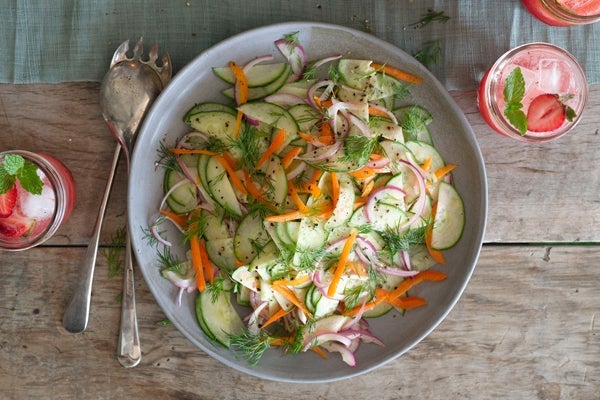
No matter the season, this bright,refreshing cucumber salad with quick pickled onionmakes a tasty side dish. Better yet, dice it to use as a relish on everything from burgers to grilled fish.
3. Roasted cauliflower with lemon, garlic, and parsley

A game-changer for anyone who finds cauliflower bland and boring, thisroasted cauliflower with lemon, garlic, and parsleyrecipe brings out the stalk’s nutty, slightly sweet flavor. All it takes is six simple ingredients and a half-an-hour in the oven.
4. Kale and bacon frittata
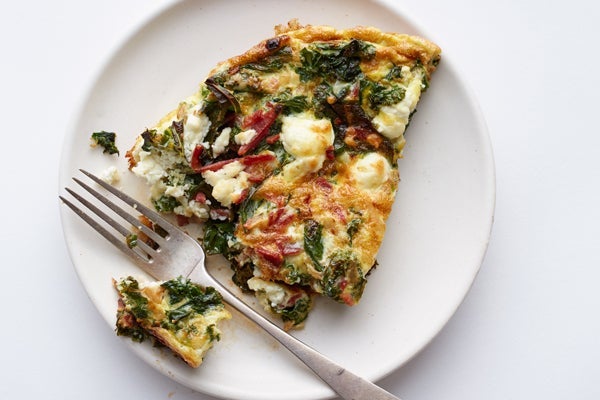
Whether for breakfast, lunch, or dinner, thissavory kale and bacon frittatais a hearty make-ahead meal on its own, and delicious served alongside potatoes and a salad. Feta cheese, shallots, and turkey bacon provide loads of flavor that feels indulgent.
5. Stir-fried sweet and spicy cabbage
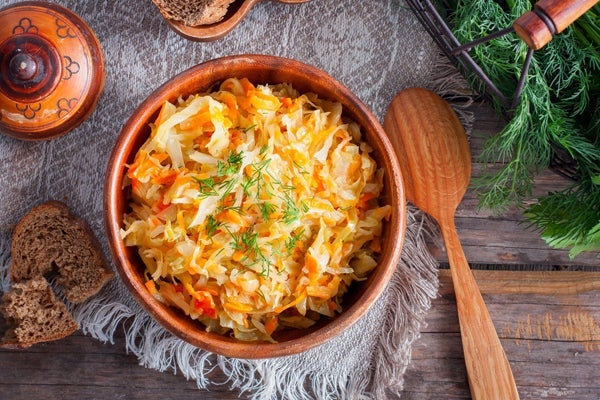
Made with just ahintof sweetness, this Asian-inspiredstir-fried sweet and spicy cabbagemakes a fun side dish—or bed for leftover chicken or another protein. Throw in brightly-colored carrots for extra crunch and fiber.
Low-carb vegetables printable list
Looking to cut carbs? Keep this list on hand the next time you make your grocery list.
The upshot: Stock up on your low-carb veggies
Whether you’re following a keto, paleo, low-carb, or plant-based diet, eating as many low-carb vegetables as possible helps ensure you consume ample amounts of the wide variety of nutrients—including fiber—that your body needs to thrive.
Plus, since these veggies are low in both carbohydrates and calories, they’re especially helpful for anyone striving to lose weight while on aweight-loss programor maintain a healthy weight.
Not to mention, enjoying the many different types of low-carb vegetables in the produce aisle allows you keep your healthy diet exciting and satisfying—important for long-term maintenance.
--
Lauren Del Turco is a writer, editor, and content strategist with a life-long passion for health and wellness. She has served as a contributing editor forWomen’s Healthand The Vitamin Shoppe, and her work has been featured inCosmopolitan, Men’s Health,andPrevention,and on Furthermore by Equinox, LIVESTRONG, and more.
--
This article was reviewed for accuracy in June 2021 byStephanie L. Fitzpatrick, PhD, senior manager for multicultural programs at WW.The WW Science Teamis a dedicated group of experts who ensure all our solutions are rooted in the best possible research.