Science-Based Reasons to Love Kimchi
Calling all cabbage fans: This classic fermented dish packs tons of flavor *and* nutrition into every bite. Learn how kimchi can support good health, then dig into WeightWatchers® best kimchi recipes.

In this article:
- 1/ What is kimchi?
- 2/ What is the nutritional value of kimchi?
- 3/ 4 potential health benefits of kimchi
- 4/ 1. Happier gut
- 5/ 2. Lower inflammation
- 6/ 3. Improved mental health
- 7/ 4. Healthier weight management
- 8/ Is kimchi safe to eat every day?
- 9/ 10 recipes that use jarred kimchi
- 10/ Recipes
- 11/ Bottom line: Is kimchi good for you?
Mention the word “probiotics” and your mind probably jumps to yogurt. But there’s a delicious fermented cabbage dish that deserves some attention, too. Kimchi, the centuries-old staple of Korean cuisine that’s often served as a side or stirred into dishes like rice and porridge, is both delicious and packed with probiotics, aka the wellness-boosting bacteria that help form your gut’s microbiome.
Kimchi falls into a group of fermented foods—along with miso, sauerkraut, andkombucha—that’s having a major moment right now, says Jennifer Maeng, RD, clinical dietitian and founder ofChelsea Nutritionin New York City. She attributes the buzz to growing interest in three areas: gut health; the reduction of food waste (fermenting is a preservation method!); and so-called functional foods, which benefit the body’s processes in ways beyond vitamins and energy.
The research on kimchi suggests this food can support some important aspects of good health. Keep reading for reasons to love kimchi, and check out some of our best kimchi-focused recipes to add to your rotation.
What is kimchi?
Kimchi is a fermented dish that’s usually made with baechu (Napa) cabbage, along with add-ins such as radishes, ginger, garlic, peppers, chile flakes, and other ingredients to impart flavor and heat. The cabbage is crisp-tender, with lots of flavor absorbed from other ingredients; spicewise, kimchi can vary from mild to hot depending on what’s included.
Producing kimchi generally starts with soaking fresh cabbage in brine, which helps kill off harmful bacteria while leaving behind beneficial, salt-tolerant strains likeLactobacillus. Then the vegetable is drained and jarred with the other ingredients. The last step is the process of fermentation, in which enzymes from those healthy bacteria break down carbohydrates in the ingredients to produce lactic acid and other compounds. The result? A deliciously tangy, pungent dish.
Kimchi wasfirst madeas a way to preserve vegetables so they could be enjoyed when there wasn’t as much fresh food available. These days, you can find jarred kimchi in most grocery stores and use it in everything from grain bowls to stews (keep reading for more delicious ideas). You can also enjoy kimchi straight out of the jar!
What is the nutritional value of kimchi?
Made with countless combinations of ingredients, kimchi doesn’t exactly have a fixed set of nutritional facts. As a ballpark estimate, theUSDAlists kimchi as having 23 calories per cup. A typical serving contains more than half the daily recommended amount of vitamin K, along with 2.4 grams of fiber and 1.6 grams of protein.
4 potential health benefits of kimchi
While no single food on its own can determine anyone’s health status, kimchi has shown some promise for supporting gut health and other aspects of wellbeing. The science on most of these possibilities is still evolving. Here’s a closer look at where things stand so far:
1. Happier gut
From a health standpoint, this is probably kimchi’s biggest selling point. Thegut’s microbiomecan influence everything from nutrient absorption to heart health. A2020 reviewof 19 studies concluded that fermented foods including kimchi can alter the makeup of the microbiome for the better, both by adding healthier strains of bacteria and increasing the total number of good guys in the gut. This beneficial microbial boost may help counter the effects of pro-inflammatory bacteria fueled byadded sugarsandsaturated fat.
2. Lower inflammation
Most health experts view theprevalenceof chronic inflammation as a concern. “It can impact the body by impairing the immune system, making the body more vulnerable to infection and disease,” explains Michelle Babb, MS, RD, CD, author ofAnti-Inflammatory Eating for a Happy, Healthy Brain. High levels of inflammation have beenlinked totype 2 diabetes, cardiovascular disease, and more.
In keeping with the studies we explored a moment ago in the gut section, earlyresearchhas found that eating fermented plant foods may decrease inflammatory markers in the body. Plus, many key ingredients in kimchi—including cabbage, chili peppers, and garlic—contain antioxidants, and fermentation of plant-based foods has been shown toincrease antioxidant activity. There’s some evidence—such as a2006 studyconducted on older women—that antioxidants could mitigate the effects of inflammation.
3. Improved mental health
Emergingresearchhas pointed to a possible connection between the gut microbiota and the brain. This has raised hopes in some scientific circles that fermented foods could alleviate depression or anxiety—possibly through some indirect influence on neurotransmitters and other mechanisms. But the field of “nutritional psychiatry” is still evolving, and there are no definitive guidelines yet regarding what sort of dietary changes, exactly, might improve mental health. If you’d like more information on managing depression, anxiety, or similar concerns, visit WW’sMental Health Resourcespage.
4. Healthier weight management
Kimchi isn’t a magic bullet forweight loss(nothing is!). But it’s totally possible for kimchi to support a healthy journey. Being a combo of water, veggies, and spices, it’s relatively low in calories. Plus, with 2.4 grams offiberper cup, kimchi may help you feel fuller longer. A few small studies have linked fermented kimchi toreductions in body fat percentageand lowered blood sugar, but there hasn’t been enough research yet to say so for sure.
Is kimchi safe to eat every day?
The same way you might enjoy a glass of orange juice every morning or a signature kale salad multiple times a week, it’s generally fine to include kimchi in your daily rotation, Babb says. A serving of kimchi can contain about a fifth of themaximum sodiuma typical adult should eat in a day—498mgper serving—so consider opting for a lower-sodium brand if you’re watching your salt intake.
Just note that people living with certain health concerns might wish to limit fermented foods. “For people with very sensitive GI systems, like those with gastritis or small intestinal bacterial overgrowth—SIBO—or intestinal candidiasis, fermented foods like kimchi might need to be avoided until the gut is repaired,” Babb says. Otherwise, she continues, the probiotics in kimchi could potentially set off bloating or abdominal discomfort.
Health experts also advise people who are immunocompromised to avoid unpasteurized fermented foods, Maeng says, as any stray pathogenic bacteria could cause outsize harm. Fermented foods are generally safe to consume during pregnancy, she adds; just check with your doctor to see if they make sense for your personal situation.
10 recipes that use jarred kimchi
Kimchi plays well with tons of different dishes. “Add it to salads, as a topping on a sandwich instead of regular lettuce, mixed in a grain bowl with legumes and other veggies, and alongside eggs and whole grain toast,” says New York-based registered dietitian nutritionistKeri Gans, RDN. Or, try one of these tasty recipes.
Recipes


Probiotic Kimchi Dip
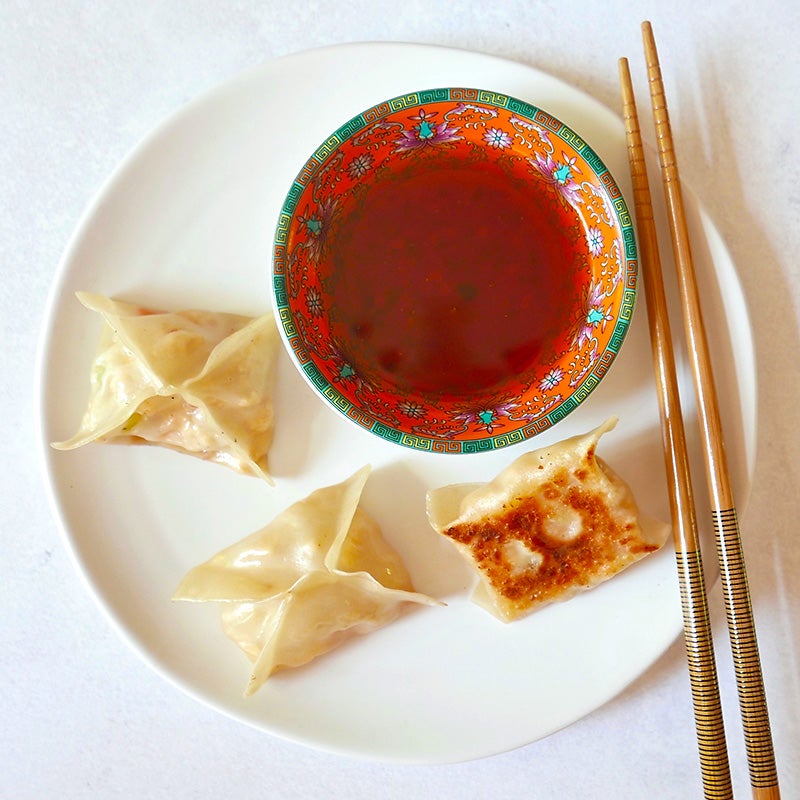

Tofu & Kimchi Potstickers
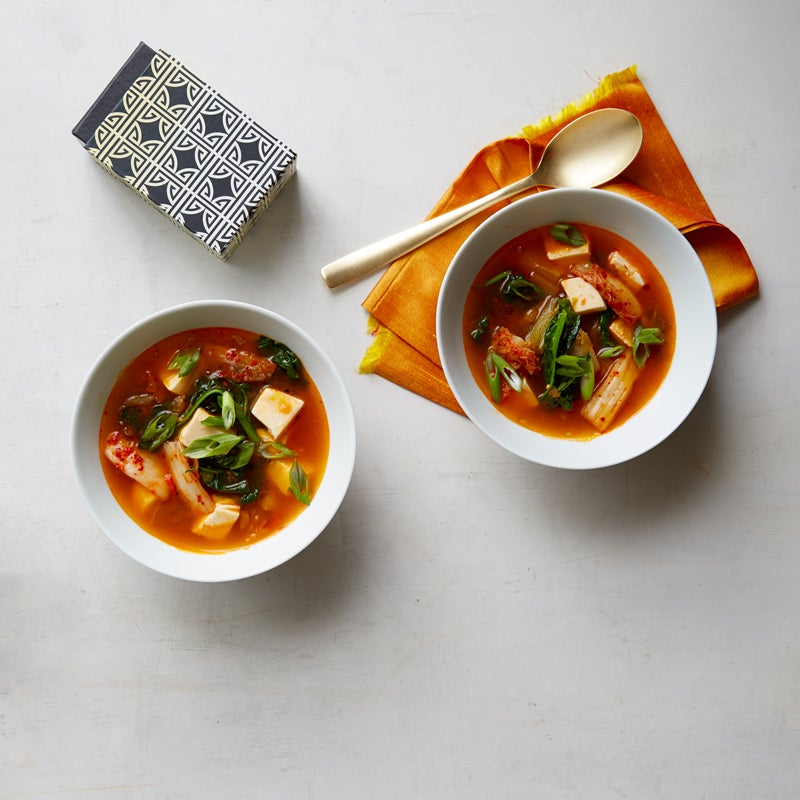

Kimchi & Tofu Stew


Korean-Style Steak & Kimchi Wraps


Kimchi Grilled Cheese
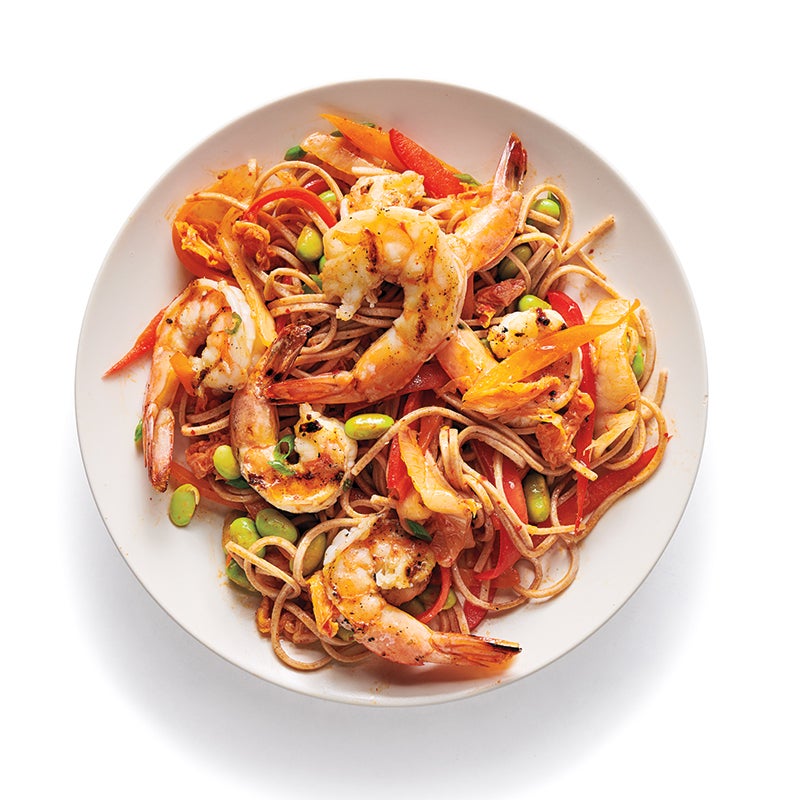

Kimchi Soba with Shrimp & Edamame


Korean Grilled Chicken Lettuce Wraps (Ssambap)


Korean BBQ Pork Tenderloin with Kimchi Rice


Grilled pork patties with garlicky rice & kimchi


Korean Rice & Short Rib Bowls
Bottom line: Is kimchi good for you?
Kimchi can be part of a healthy pattern of eating. Thanks to its high levels of probiotics, there’s good evidence that this fermented dish may positively affect the gut microbiome. And some preliminary findings point to a possible beneficial effect on inflammation. While there’s still much to learn about kimchi’s full impact on health—including whether it meaningfully reduces disease risk, supports weight loss, or boosts mental wellbeing—this food makes a delicious and potentially healthful addition to many people’s diets.
--
Deanna Pai is a freelance health and lifestyle journalist whose work has appeared inVogue, Cosmopolitan, Women’s Health, Self, Glamour,and more.
--
This article was reviewed for accuracy in November 2021 byAngela Goscilo, MS, RD, CDN, manager of nutrition at WW. TheWW Science Teamis a dedicated group of experts who ensure all our solutions are rooted in the best possible research.