The truth about weight loss foods
Do the ingredients you always hear about actually deliver? Experts weigh in once and for all.
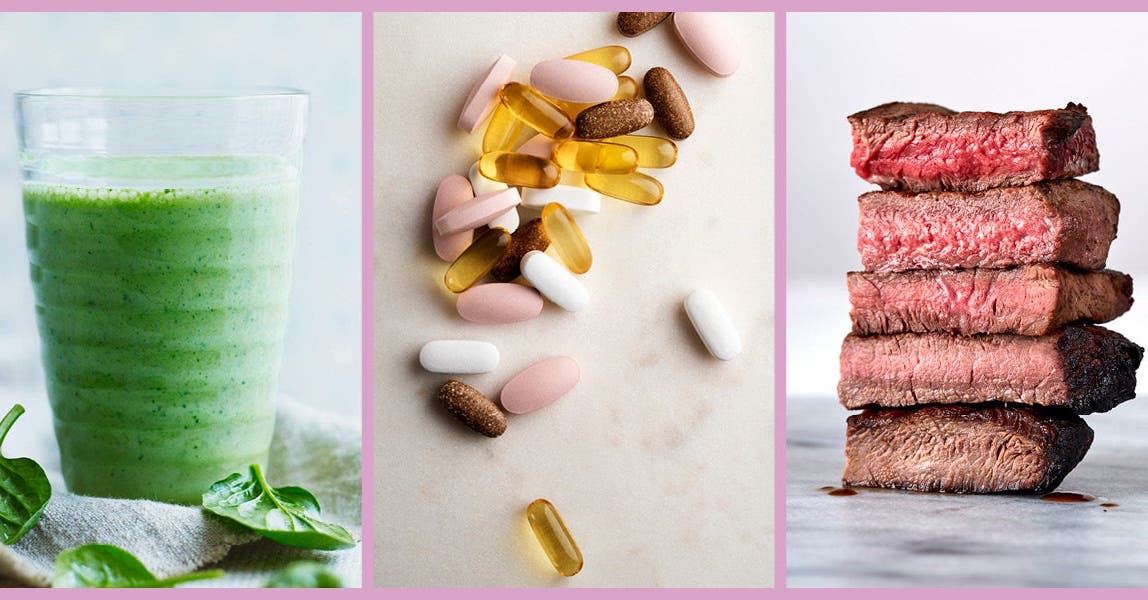
Grapefruit. Chili peppers. Cabbage soup. Slimming tea. You name the food, and chances are, there’s a weight loss claim for it. Grabby headlines that suggest individual ingredients could be the key to quick weight loss only add to the confusion. And Instagram #ads featuring testimonials about pricey weight loss food products don’t exactly help. So what’s the deal?
While the ingredient, recipe or concoction you hear about may have some nutritional benefits, the first thing articles and influencers tend to omit is just how much of a difference it will make—or how much of it you’d have to consume for measurable weight loss results.
“Anytime a diet sounds too good to be true, that’s because it is,” says Cheryl Mussatto, RD, a registered dietician and author of The Nourished Brain, who suggests you raise an eyebrow whenever you see a claim like, “burns fat.” Now let’s set the record straight on a few more weight loss food myths:
MYTH: Certain foods can significantly speed up your metabolism.
FACT: While there may be evidence that some foods support small metabolic boosts, it’s important to understand how the body’s metabolism works in the first place: “Metabolism is the way we process nutrients and foods to convert them to energy,” explains Scott Summers, PhD, chair of the department of nutrition and integrative physiology at the University of Utah School of Medicine. “Metabolism-boosting” foods claim to speed up the rate at which energy, aka calories, are consumed by your body. But researchers often find these increases to be so minor that they may not have any effect on your weight loss goals. For example, green tea preparations are often touted as a metabolism-booster. But its effects on weight loss were found to be statistically insignificant in a 2014 review of weight loss studies using green tea preparation published in the Canadian Pharmacists Journal. You should absolutely enjoy it if you love it— but it won’t help anyone slide into skinny jeans without other behavioral changes.
MYTH: Juice beats solid foods for weight loss.
FACT: Nope. Actually, eating solid meals tends to be more satiating than consuming same amount of calories in liquid form, according to a 2013 study published in the Obesity Surgery journal. In some cases, this may be because juicing fruits and veggies involves removing the pulp. What goes out with it? All the fiber, which can slow down digestion and may make you feel fuller for longer, according to a 2016 study published in the journal Appetite.
And while meal replacement drinks that do deliver fiber may be more effective than those that don’t, it’s important to track the drink as part of your overall consumption for the day.
MYTH: The more protein you eat, the more weight you lose.
FACT: Foods that contain proteincansupport your weight loss efforts since protein promotes satiety that keeps hunger at bay. It also helps your body preserve lean muscle mass while you lose weight.
Still, the key is choosing foods like lean meats, eggs, legumes, nuts, seeds, and dairy products. And there is such a thing as eating too much protein— regularly consuming protein beyond the recommended intake can lead to kidney problems, increased cancer risk, and potential heart disease, according to a 2013 review published in ISRN Nutrition. To play it safe, women should shoot for about 5 to 5 ½ ounces per day of meat, poultry, or fish while men’s daily needs range between 5 ½ to 6 ½ ounces per day. You can also get your fill in ounce equivalents of alternative protein sources: 1 egg, 1 tablespoon of nut butter, ¼ cup of cooked beans, or ½ ounce of nuts or seeds each count as one ounce equivalent, according to USDA recommendations.
MYTH: Gluten-free foods can help you lose weight.
FACT: While it’s true that you could lose weight by eliminating gluten-containing foods from your diet, this probably has more to do with reducing your overall food intake—not cutting out the gluten itself. So, swapping your favorite breads, pastas, and sweets for gluten-free versions may not tip the scale in the right direction.
The truth is, packaged gluten-free food may contain just as many—or more—calories than their counterparts, and in fact, many are made with ingredients high in refined carbs like rice flour or potato starch.
What’s more, avoiding gluten can inadvertently reduce your overall consumption of whole grains—a bad idea since eating them is associated with a lower cardiovascular risk, according to a study of non-celiac adults’ gluten consumption and health over more than 25 years, which was published in BMJ in 2017.
MYTH: Supplements can help you lose weight.
FACT: Manufacturers may claim you can get all the nutrients you need—and none of the calories you don’t—in one pill or packet, but many supplements can be both ineffective and dangerous. For example, Garcinia Cambogia is a popular weight loss supplement made from a tropical fruit usually found in India and Southeast Asia. The rind is high in hydroxycitric acid, which may lead to appetite suppression. While some studies have shown that the supplement may promote weight loss, the effect is small. Furthermore, supplements may cause unpleasant side effects—like gastrointestinal issues—or mess with your health in other ways by say, increasing your blood pressure or heart rate or interfering with other medications you may be taking, according to the FDA.