Everything you need to know about summer squash
From zucchini to crooknecks, find out how to buy, store, cook, and enjoy this easy-to-love summer vegetable.

It's no wonder summer squash and its varieties are a mainstay in many WeightWatchers recipes: It's tasty, healthy, and economical. Here's what you need to know about Points®-friendly cooking with the versatile ingredient.
Summer squash basics
For most summer squash, everything’s edible: the skin, seeds and flesh.
These are not root-cellar vegetables. They go bad quickly. Eat 'em when you get them!
They’re quick-cookers—and can even be eaten raw (as opposed to winter squashes like butternut or acorn squash, which must be cooked a long time).
They’re extremely versatile: They can be eaten as main courses, side dishes, salads, in Chinese dishes, Italian preparations, or curries.
They’re great in wraps and on top of pizzas.
They can be baked in quick breads or muffins.
You haven’t lived until you’ve had pickled summer squash.
Summer squash is high in fiber.
While they’re best May through September in North America, they are available all year, despite being called “summer squash.”
Choosing, storing, and prepping summer squash
At the store:
Avoid any with squishy or spongy spots. Gashes will quickly turn to rot; brown spots will quickly overtake the vegetable, rendering it suitable for the compost pile.
Look for a glossy shine on the skin, not waxy or dull.
At farmers’ markets, blossoms still attached to the vegetables are a key sign of freshness.
At home:
Refrigerate summer squash the moment you get them home.
Set them in tightly sealed plastic bags. Air flow is actually your enemy.
Keep the vegetables cold.
Do not wash summer squashes before storage; the extra moisture can turn to slime.
Do not cut them up before you store them.
Plan on six days’ storage for summer squashes from a farmers’ market, four days’ storage for those from the grocery store.
Summer squashes can be frozen for long storage. Cut the vegetables into 1/2-inch-thick slices, blanch in salted water for 2 minutes, transfer to a bowl of ice water, dry thoroughly with paper towels and freeze in plastic zipper bags.
Prepping, cooking, and eating:
You don’t need to cook summer squash. All varieties can be eaten raw.
Shred raw summer squash for a taco filling — or as a substitute for shredded lettuce on a burger or a hot dog.
Shred for a slaw with radishes and jicama. (Squeeze moisture by the handful from the shredded vegetable so it doesn’t water down the dressing.)
Use a vegetable peeler to make long, wide noodles from summer squash; serve raw tossed with pesto or peanut sauce.
Substitute diced squash for celery in chicken, tuna, or egg salad.
Grill thick slices with sliced onion for an easy side dish.
Marinate slices in vinaigrette before grilling—or even roasting.
Stir-fry cubed or shredded summer squash with your favorite protein (chicken, pork, shrimp, or beef), thinly sliced scallions, and your favorite stir-fry sauce. But don’t cook them too long. They’ll give off too much moisture and turn the dish soupy.
Squash blossoms
Many varieties of summer squash have edible flowers. Most of us know these can be stuffed and then oven-fried or pan-fried. But they can also be eaten raw — stuffed with herbed, lowfat ricotta cheese or simply shredded into salads.
The flowers are incredibly perishable. Use them the day you buy them. If you’re lucky enough to find squash blossoms, look for perky, open blooms without any browning or withering. Store in a cold place like the fridge immediately without washing. (Wash right before you prepare them.)
Types of squash
Although there are dozens of cultivars and varietals, many with minuscule differences, we've broken the big category of summer squash into six simple subsets.
Delicious squash recipes to try
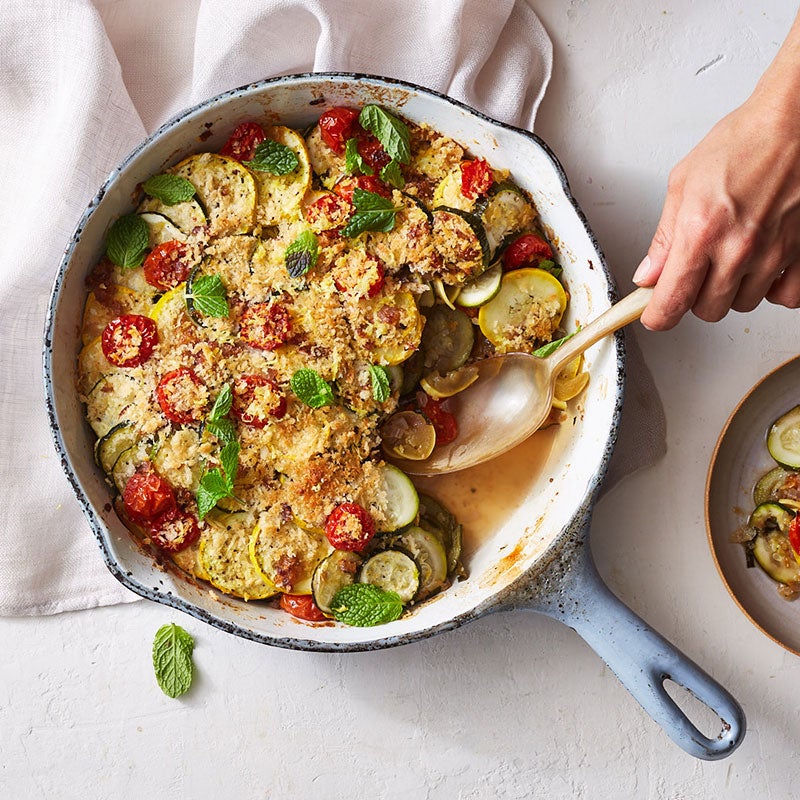

Zucchini, coriander and mint tian
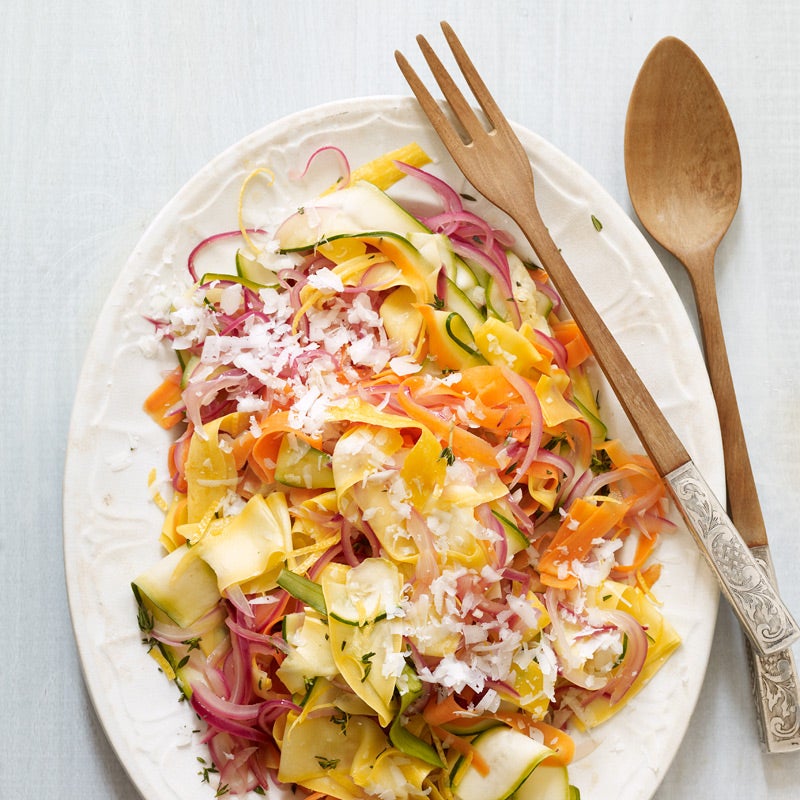

Tricolor Vegetable Ribbons with Lemon, Thyme and Pecorino
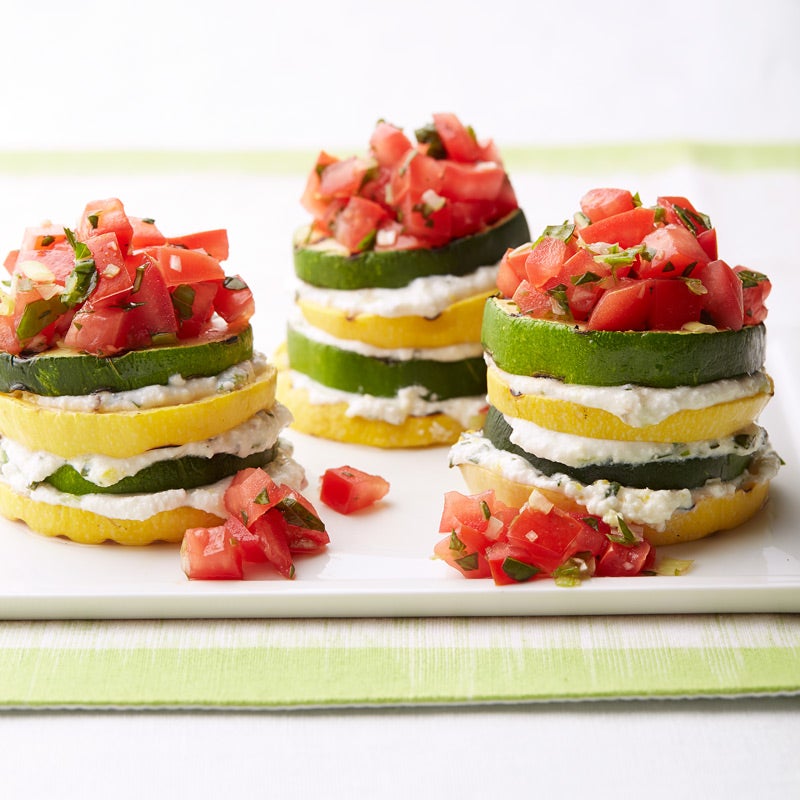

Grilled Summer Squash Stacks with Herbed Ricotta
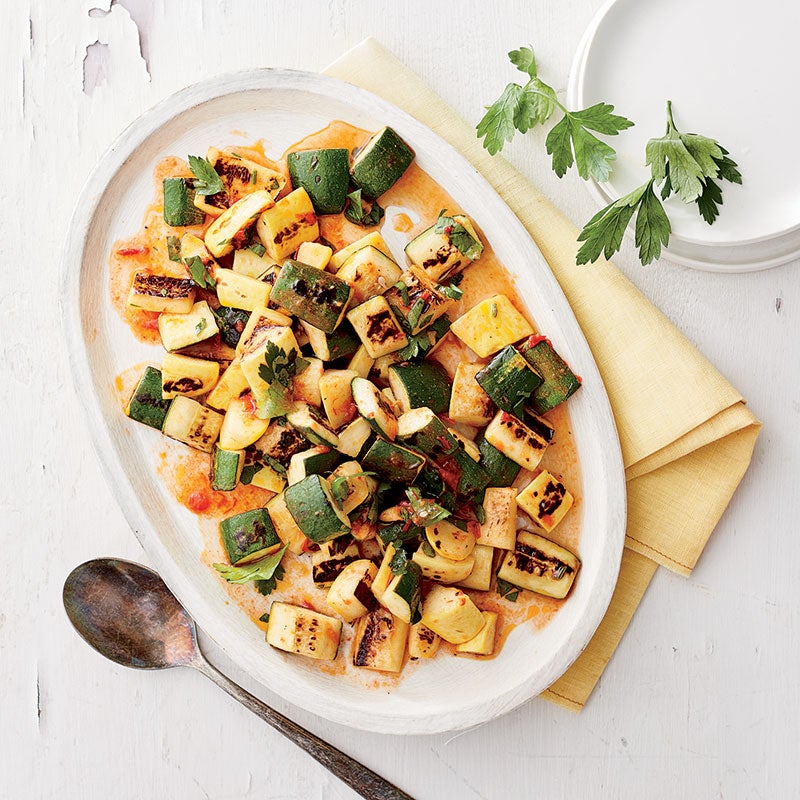

Pan-seared summer squash with spiced lemon vinaigrette
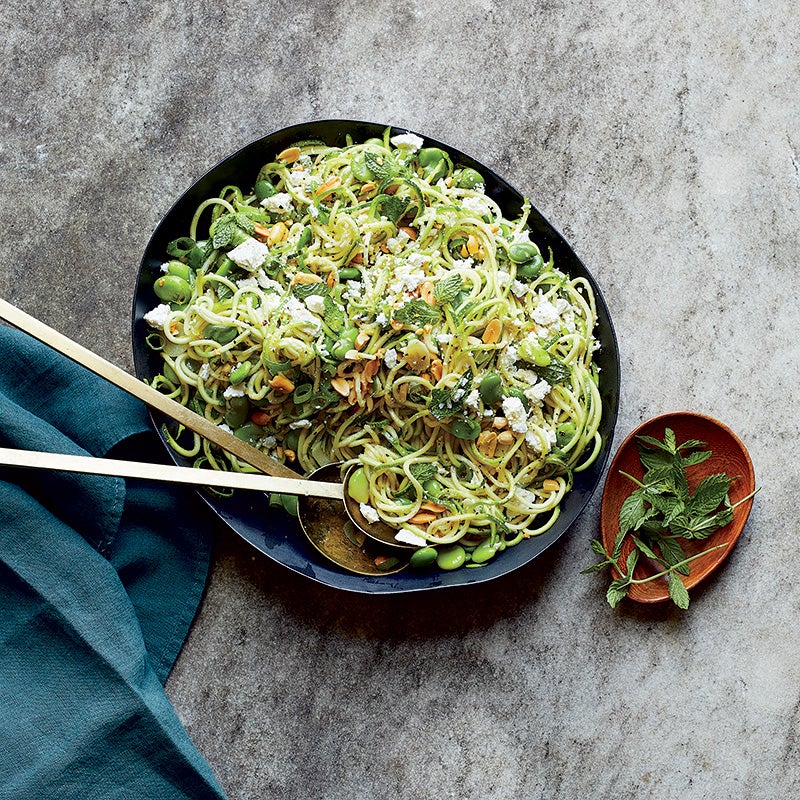

Zucchini noodles with fava beans, mint and garlic