Walking for weight loss
Low impact. Big benefits. Here’s how the simple act of walking could help you lose weight — plus three plans to get you moving.
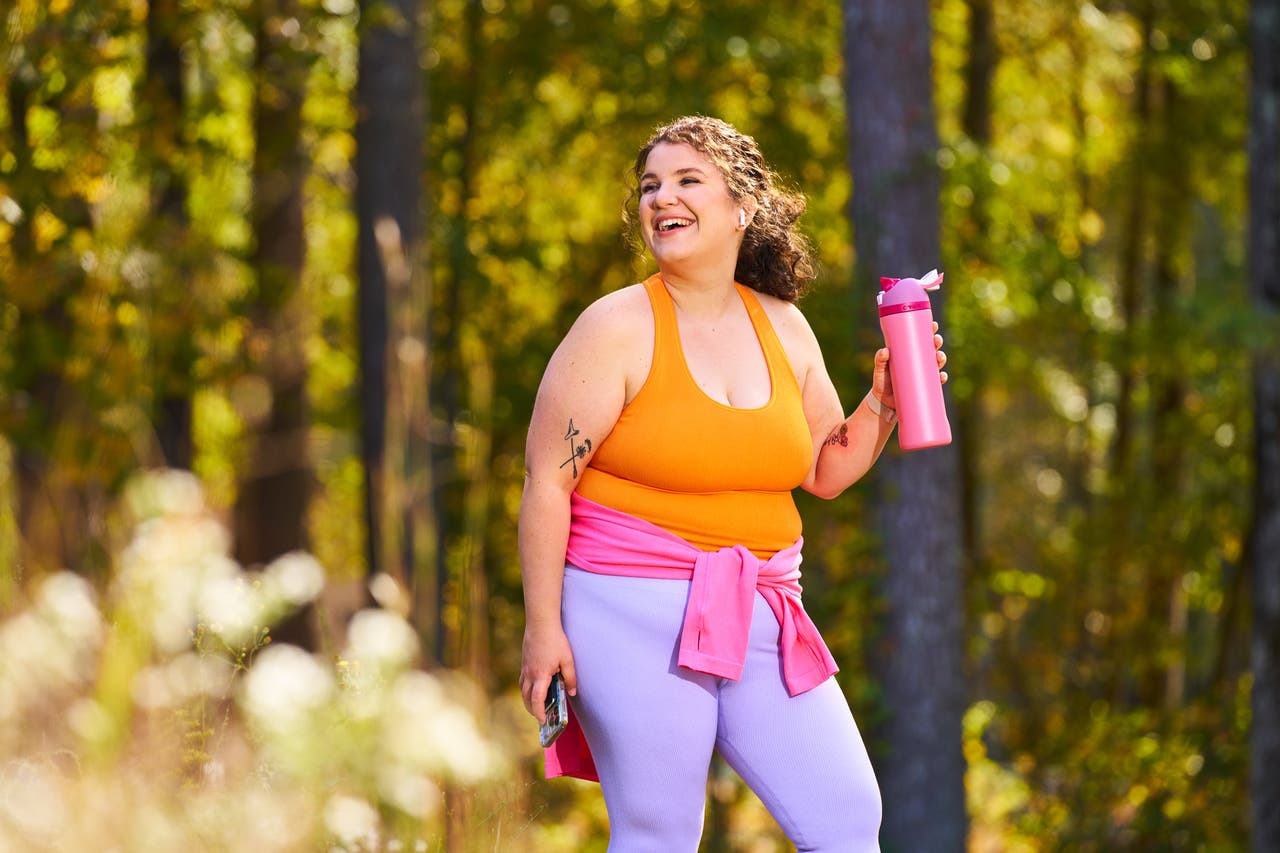
If you want to dial up your fitness efforts but feel intimidated, don’t worry: Exercise doesn’t have to be super-intense or punishing to be effective. In fact, you might be surprised to learn that walking is one of the most beneficial forms of low-impact activity. “It’s an activity that can bridge all life stages and is something you can come back to again and again,” says Michele Stanten, a certified fitness instructor and the author of Walk Off Weight.
Read on to learn more about walking for weight loss, the health benefits of walking, and three walking plans to help you go farther and faster.
How walking helps weight loss
All activity can help support weight loss, and walking is no exception. Research has linked brisk walking with reductions in body weight, BMI, and waist circumference. It may even offer a bonus benefit when it comes to healthy-eating efforts: A 2015 study found that taking a 15-minute walk can help curb sugar cravings. The relationship between walking and a reduction in cravings isn't totally understood, but it could have something to do with limiting the stress that typically accompanies sugar cravings.
How much should you walk to lose weight?
Let’s start with the basics. Public health guidelines recommend that adults do at least 150 minutes of moderate-intensity activity (like brisk walking) per week — how and when you reach that goal is your choice. Check in with your current activity level, and aim to increase your walking in a way that works best for you. That might mean a 15-minute stroll after dinner during the week, with longer routes on the weekends; 30-minute walks five days a week; or simply getting up and walking whenever and wherever you can.
If you’re just getting started, Stanten recommends focusing on consistency. Moving for even five or 10 minutes on your busiest days still counts and helps build the habit, she says. Once you have a routine, you can experiment with raising the intensity level and trimming your time commitment.
While both moderate- and high-intensity workouts support weight loss, high-intensity workouts raise your heart rate more and can impart the same benefits in less time. Try picking up your pace to complete your usual route in less time, or add short bursts of fast-walking or light jogging throughout your walk.
Ultimately, no matter how intense you choose to make your walks, the best activity for weight loss or any other health goal is one you enjoy and will do regularly.
Health benefits of walking
Beyond weight loss, the benefits of exercise are well established. But it’s easy to forget that the basic activity of walking counts toward your activity goals. “I often hear, ‘I just walked’ or “I’m just going for a walk’ and we all need to stop saying that,” Stanten stresses. Walking is free, easy on joints, and any movement is better than no movement. She also notes that the pros of walking are not reserved for people who walk as their main form of exercise. Even if you have a go-to fitness routine, taking a walk on an active recovery day or as an after-dinner activity with your family can offer physical and mental benefits.
1. May reduce disease risks
As we mentioned, incorporating any regular exercise into your routine can help improve overall health, and research has linked walking to the same benefits. Here are some of the conditions that walking may help support:
Heart disease: Even one extra hour of walking per week can help lower risk of heart disease in women, according to a study published in JAMA.
Stroke: A 2014 study found that older adults who spent time walking had a reduced risk of stroke. While earlier research linked any pace to protective benefits, a recent meta analysis suggests that walking at a faster pace may lower risk even further.
Type 2 diabetes: Research has also linked walking to reduced risk of type 2 diabetes, and improved health outcomes for people living with the disease.
Certain cancers: While there are many risk factors for different types of cancers, a 2016 analysis found that leisure-time activity, including walking, was associated with a lower risk of more than a dozen types of cancer, including breast, colon, and lung cancers.
Osteoporosis: Walking can help prevent osteoporosis — and reduce the risk of bone fractures— by supporting bone density.
2. Could boost your mood
No knock against people who run marathons to get that famed “runner’s high,” but you definitely don’t need to go that hard. Research has found that even a 10- or 15-minute walk can have an impact on stress and creative thinking. Experts say this is often all it takes to affect neurotransmitters associated with positive mood.
3. Supports better sleep quality
Over a third of Americans aren’t getting enough shut-eye, according to the CDC, and the effects are more than just feeling tired — lack of sleep can impact your physical and mental health. The good news: Regular moderate-to-vigorous physical activity may help you fall asleep faster, stay asleep longer, and generally sleep better.
Some research even suggests that simply boosting your step count throughout the day could improve the snooze experience: A small observational study in Sleep Health found that people who walked more during their waking hours reported better sleep. Further research will probe the possibility of a direct link more closely.
4. May strengthen muscles
Walking isn’t a straight-up strength-training workout like, say, push-ups, but it may indeed build muscle. Research, particularly among older adults, suggests that brisk walking can boost lower-body strength. We build strength by exercising a muscle group against an external resistance. In this case, the external resistance is the ground you’re walking on. This lower-body strength is key — it contributes to stronger bones and better balance, which are important factors as we age.
3 walking plans to help you reach your goals
Ready to lace up and hit the road (or treadmill), but not sure where to start? The beauty of walking is that you can do it almost anywhere, in whatever way works for you. And all forms of walking can support weight management. But if you’d like a little guidance, a structured plan can help you set off on the right foot. Just remember: Before you start any new exercise program, it’s best to consult with your healthcare provider.
Start a walking program
If you're starting from zero, this is the program for you. Perhaps you've never exercised before or are returning to it after a long hiatus. Think of it as something you'll do to feel better physically and mentally. Designed to get you in a routine of walking, your goals are time-based, realistic, and attainable. No distances to hit; it's just you and your timer, clicking off the minutes.
This program is for you if:
Your lifestyle has been sedentary up to now
You're recovering from a long-term illness or severe injury
You wish to build an endurance base and eventually be able to walk farther and/or faster
Walk farther
Recording actual distances can be motivating as well as provide a strong sense of accomplishment. Keep in mind that building mileage should never be combined with an attempt to go faster. They should be mutually exclusive goals, and the focus of this intermediate program is expanding the distance you walk while staying healthy and injury-free.
This program is for you if:
You've completed Start a Walking Program or have at least two months of walking a minimum of three days per week for 30 minutes at a time with no pain or discomfort
You can commit to the time it takes to build mileage
You're interested in the possibility of taking on a 10K walking challenge
Walk faster
Perhaps you walk up to 30 minutes at a time most days of the week, sometimes longer. If you've been mobile for at least two months and feel ready to take your walking to the next level, you can jump in here — or follow the Walk Farther program — and build on your base. For the intervals, alternate between equal time (1:1 ratio) of a fast pace and a slow/recovery pace. (For example: Walk as fast as possible for 30 seconds, then slow to a recovery pace for 30 seconds.)
Keep in mind that, at any time during the course of this schedule, should you feel shortness of breath, lightheaded, or acute or lingering soreness in any joints, that's a sign to back off a bit. Our recommendation: Follow to the last week of the program above, then begin this one again at Week One. Pushing yourself to the point of pain or dizziness may result in greater setbacks than if you listen to your body and take care of it along the way.
This program is for you if:
You're ready for a more challenging weekly routine
You've completed Start a Walking Program
You wish to continue to increase endurance and move a little faster
The bottom line:
Exercise doesn’t have to feel hardcore to have benefits. Walking is good for your overall health, and for weight management. To begin walking for weight loss, start slow and steady — then gradually add more time, more distance, and finally more intensity to your walks. Just make sure you speak with your healthcare provider before starting a new exercise program.