How to have a social life on a GLP-1
A smaller appetite can complicate restaurant meals, drinks, and celebrations. These tips can help you enjoy any occasion without overdoing it.
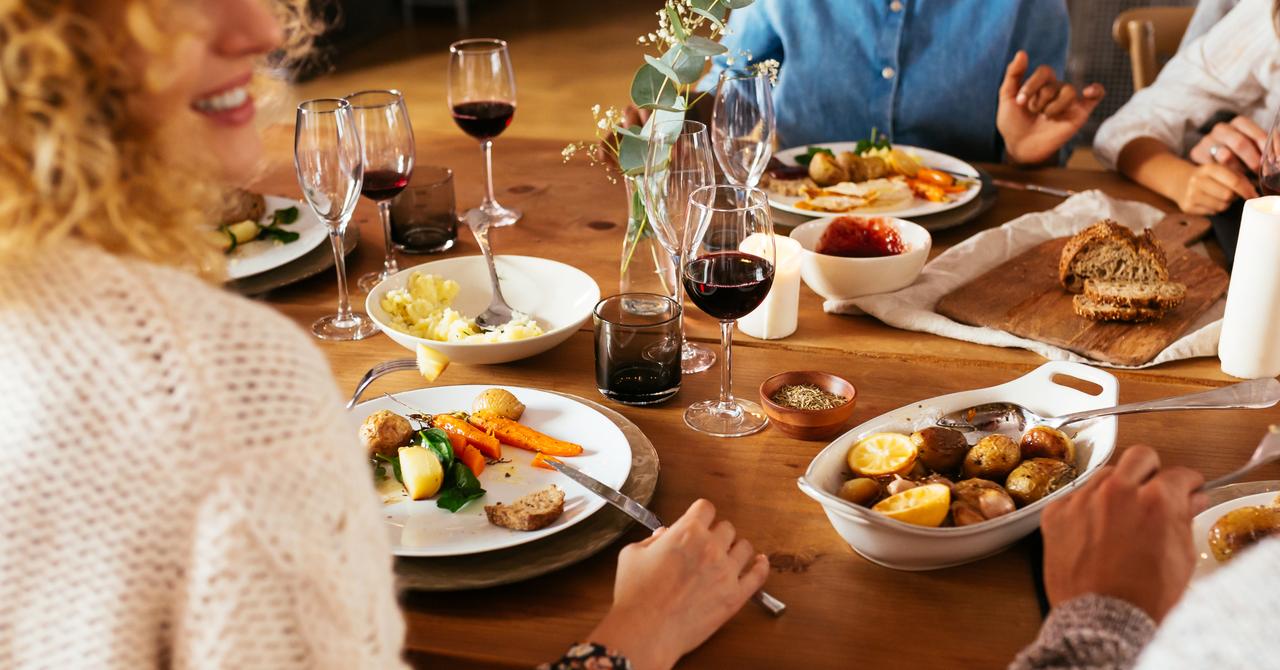
Well, this is awkward: You’re one breadbasket into an hours-long dinner gathering and already starting to feel stuffed. Meanwhile, there’s chatter across the table about which appetizers to share before the entrees come, while the waiter takes cocktail orders one by one until suddenly it’s you (and your GLP-1 plus-one) under the spotlight.
When parties, holidays, and even work events seem to revolve around food, the effects of your weight-loss medication can feel very on display. Even if you’re out and proud about your treatment, how can you enjoy a marathon restaurant meal when you’re done after just a few bites?
“Dining out is a core part of living life for many and not something to avoid, even though it can be more challenging on a GLP-1,” says Michele Rager, M.S., RDN, senior director of nutrition programming at Weight Watchers. “The key shift is focusing on quality over quantity — enjoying rich flavors, atmosphere, and friends and family without feeling pressured to finish what’s on your plate.” Here are a few practical things you can do to make eating out, socializing, and fully living your life on a GLP-1 more enjoyable.
Key takeaways
A smaller appetite means eating out on a GLP-1 may require a little more planning.
Order protein and avoid greasy or high-fat foods and alcohol if they trigger nausea, reflux, or other side effects.
Split an entrée, order an appetizer as your main course, or box up half your meal to keep portions tolerable.
Enjoy holiday favorites in sample sizes, and focus on the people rather than your plate.
Prepare your one-line reply to food pushers; you don't owe anyone an explanation for what or how much you eat.
Ordering at a restaurant
Yes, you can enjoy a restaurant meal on weight-loss medication without leaving in gastrointestinal (GI) distress. “People taking GLP-1s often feel full sooner, and large portions and foods that are very high in fat can worsen nausea, reflux, bloating, and abdominal discomfort, so I recommend approaching restaurant meals a little differently,” says Dr. Vinaya Gogineni, M.D., an obesity medicine specialist at The Ohio State University Wexner Medical Center. Some tricks to enjoy smaller portions that don’t scream diet (to you or your dining companions):
Shop the perimeter (of the menu). Order an appetizer or side as your main course to automatically get less food (and a smaller bill!). You can sometimes even request an appetizer portion of your favorite entree.
Split the difference. Share an entrée with your date — or maybe another GLP-1 taker at the table. If no one’s eyeing the same dish, order what you want and cordon off half of it to box up in a to-go container at the end of the meal.
Don’t fill up on bread. Classic advice; never more relevant. Instead, choose a protein-centered dish accompanied by fiber-rich veggies so that you’re getting the most nutritional bang for your buck — important when your overall calorie intake is lower.
Trim the fat. To avoid triggering GI side effects, ask for heavy sauces on the side and substitute veggies in place of creamy or greasy sides (like fries or mashed potatoes).
Savor it. Eat slowly, pausing between bites, to allow your body time to notice when it’s comfortably full — and give yourself permission to stop there rather than cleaning your plate.
Drinks and alcohol
If you want to splurge on an adult beverage, just keep in mind that beer, wine, and cocktails all take up some of the now-limited space in your stomach. “For most people, taking a GLP-1 does not automatically mean that alcohol is off-limits, but there are a few considerations,” says Gogineni. “Alcohol can worsen nausea, reflux, or dehydration, which can already occur with these medications.” A smaller appetite may also mean you’re drinking with less food in your stomach than usual, which can raise your blood alcohol level faster.
If you choose to combine GLP-1s and alcohol, consider having fewer drinks than you normally would, drinking slowly, and alternating with water. Skip alcohol if you’re already experiencing significant side effects, difficulty eating, or trouble staying hydrated, and talk with your clinician if those symptoms persist. (Your personal health history and other medications may also affect whether drinking is appropriate for you; for example, alcohol can also contribute to blood sugar imbalances in people with diabetes.) You can still have something to sip or hold in your hand for social comfort — try a zero-alcohol canned seltzer (if you tolerate bubbles) or a fancy mocktail recipe with a splash of juice and fresh herbs.
If you barely have an appetite
On very low-appetite days, focus on nutrition and hydration. Consider ordering the soup at dinner or a smoothie at lunch, as liquids may go down easier than solid food. Prioritize protein- and fiber-rich menu options, as always, like chicken and barley or blueberry and Greek yogurt.
Also, don't feel obligated to finish the entire meal just because it’s paid for — you can always take some home in a doggie bag. If you do eat more than you can stomach and wind up with medication side effects like nausea and bloating, give yourself a break. “First, practice self-compassion. It happens, and it's not a failure,” says Rager. Then, get tactical. “Avoid lying down right after eating, sip water slowly, or drink ginger or peppermint tea to soothe digestion. Gentle walking can also aid stomach and gut motility.” Go easy on high-fat or high-volume foods for the time being, but return to small, light, balanced meals when you’re hungry again.
Holidays and big gatherings
For festive favorites that only come around once a year, think of the spread as a tasting menu. Start your sampling plate with a protein like turkey, ham, or fish, then add a spoonful of the special seasonal dishes you look forward to, whether it’s stuffing, green bean casserole, or a sliver of pie. You can always have more if you want it and feel comfortable.
Indulging a little during a one-time special occasion won’t derail your progress. Nonetheless, it’s not a great idea to skip a dose of your GLP-1 in order to eat freely just this one time. “These medications are treatments for a chronic disease, and the goal is for them to fit into an individual’s life — including holidays and celebrations — rather than having to stop treatment in order to enjoy certain events,” says Gogineni. “Also, skipping a dose may not have the effect people expect. Some amount of the medication remains in the body for days to weeks, so appetite suppression or the gastrointestinal effects may still be present.” If you do expect to miss a dose, discuss a plan with your clinician beforehand.
Handling the social side (and the questions)
A dinner party, work function, or holiday feast may be the first time your GLP-1 journey is actually visible to other people outside your immediate family. A colleague might notice that you passed on the table wine. A relative might ask whether you’re losing weight or why you’re not having dessert. Someone who shows affection through food might keep offering you seconds.
Of course, there’s no shame in letting them in on the reason for your appetite shift — or not. “You can keep your response casual, upbeat, and firm without feeling obligated to explain anything that feels too personal,” says Rager. If you’d rather not feel like the center of attention while trying to enjoy your meal, consider prepping a simple answer to unexpected questions about what’s on your plate, like: “Everything is absolutely delicious, but I'm completely full right now! I'd love to save some for later.”
How Weight Watchers makes social eating easier
Weight Watchers Med+ members don’t just get access to GLP-1 medications; they get access to a comprehensive lifestyle program tailored to GLP-1s, called GLP-1 Success. The program surrounds you with people who get it, from supportive coaches trained in behavior change to a community of fellow GLP-1 users who are all figuring out their new go-to restaurant order too. And with tools like GLP-1-tailored tracking and restaurant guides, GLP-1 Success Program members get practical strategies for navigating social settings confidently without turning every menu into a math problem. It’s one reason 85% of surveyed members following GLP-1 Success say Weight Watchers nutritional guidance helps them stay on track while taking a GLP-1.*
The bottom line
Eating out, enjoying a drink, and celebrating holidays are all still part of life on a GLP-1. A little planning can make them more comfortable: Order from the appetizer and sides menus, eat your protein first, go easy on rich foods and alcohol if they trigger symptoms, and give yourself permission to stop when you're satisfied. Most of all, remember that a good meal is about more than how much you eat.