How to get insurance coverage for a GLP-1
Start here for a step-by-step guide to checking your benefits, meeting your plan’s requirements, navigating prior authorization, and appealing a denial.
In this article:
- First, check whether your plan covers GLP-1s
- Why GLP-1s are not often covered
- How to help your chances of GLP-1 coverage
- Coverage by insurer: what to know
- What if you have Medicare or Medicaid?
- If you still can’t get it covered
- How Weight Watchers Med+ can help maximize your coverage
- The bottom line
You’ve seen the sticker prices of the big GLP-1 medications, so naturally, you want to know whether insurance will pick up some of the tab. But figuring out whether your plan will actually pay for a GLP-1 can feel like trying to decode a secret language. The good news: There’s a simple process you can follow, and Weight Watchers Med+ can help. Here’s how to get your insurance to cover a GLP-1 (or at least up your odds), from checking your plan and understanding its clinical requirements to submitting a prior authorization and appealing a denial.
Key takeaways
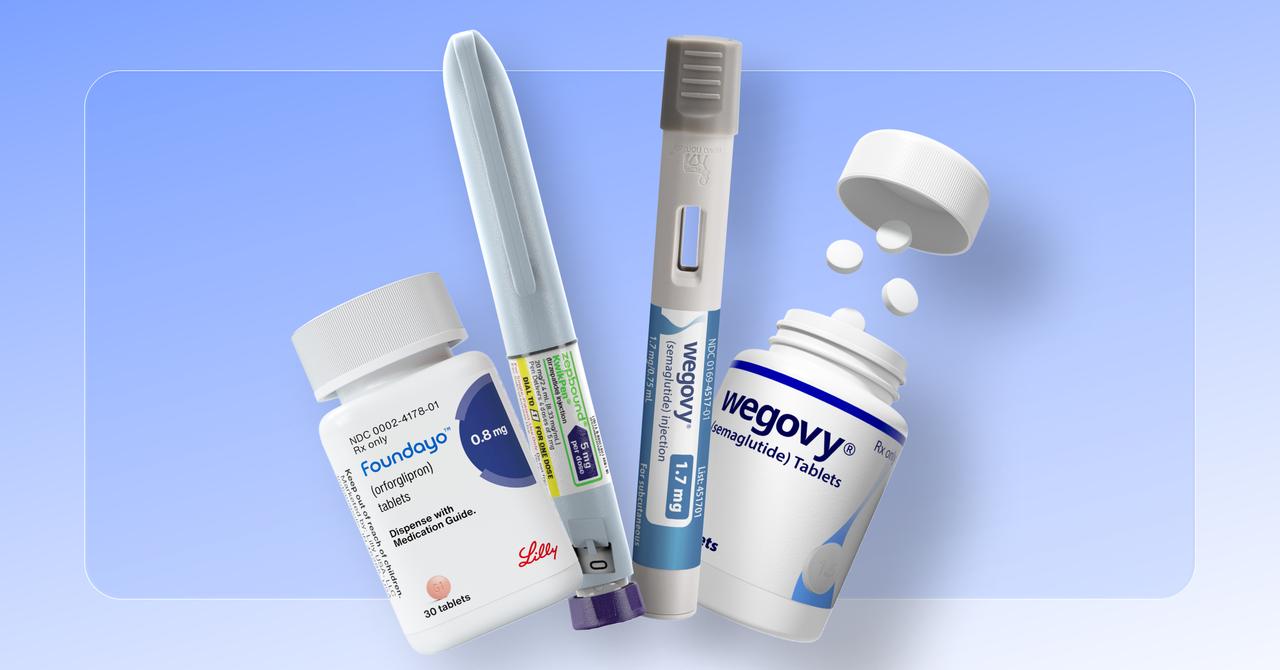
Whether a GLP-1 is covered depends entirely on your specific insurance plan’s formulary. Coverage for diabetes medications (Ozempic, Mounjaro) is far more common than coverage for weight-loss medications (Wegovy, Zepbound, Foundayo).
Even when a plan covers weight-loss GLP-1s, you need to meet clinical criteria (typically a minimum BMI of 30+, or 27+ with a weight-related condition) and receive a prior authorization.
If your insurance denies coverage, you can typically appeal with a letter from your clinician.
Manufacturer savings cards can help lower costs for people with commercial insurance. Medicare and Medicaid members have different rules and options.
Weight Watchers Med+ membership includes insurance coordinators who help check your coverage and handle the prior-authorization paperwork for you.
How to check whether your plan covers GLP-1s
This is one of those rare questions you can’t just Google. When you have private — not Medicare or Medicaid — health insurance, the only way to know if it covers GLP-1 medications is to check your plan’s formulary, the list of covered prescription drugs. “GLP-1 coverage is variable from plan to plan, and in the case of employer-sponsored health plans, it’s variable from employer to employer,” explains Dr. Nisha Patel, M.D., medical director of clinical operations at Weight Watchers Clinic.
You can usually find your plan’s formulary by logging onto your insurer’s website or member portal. You can also call the number on your insurance card and ask whether your plan covers GLP-1 medications for weight management specifically. (At Weight Watchers Med+, your insurance coordinator can do this for you.) Unfortunately, “GLP-1 medication for weight management continues to be an area where insurance coverage is not as robust in comparison to coverage for other medical conditions,” says Patel.
Why GLP-1s are not often covered
There are a number of potential reasons why insurance coverage for GLP-1s for weight loss is lagging, despite the clear health benefits of GLP-1s. These medications come at a high cost, and different insurance companies have different approaches to what they cover, why, and when. Other experts note that what’s covered on Medicare sets the tone for what private insurance companies cover. Current law prohibits Medicare from covering medications used for weight loss or cosmetic purposes, though there’s currently a new and temporary program in place to provide certain GLP-1 drugs for Medicare recipients who medically qualify. (More on that in a minute.)
Some experts believe weight bias may also play a role. Obesity is increasingly being recognized as a disease, but that shift is still in progress,” says Patel. While the American Medical Association officially named obesity a disease in 2013, many people (and insurance companies) may categorize it as a condition that is fully within someone’s control.
How to help your chances of getting your GLP-1 covered, step by step
Step 1: Confirm whether you meet the clinical criteria.
If your insurance plan covers GLP-1 medications for weight management, you’ll need to meet their specific requirements to qualify for that coverage. Your eligibility is something your clinician must determine.
The BMI (body mass index) minimum is typically 30+, or 27 if you have certain other conditions such as high blood pressure or high cholesterol. Some plans may also require that you have tried lifestyle changes or other weight-loss medications first. Be sure to tell your clinician about anything that could be relevant to your eligibility, including symptoms you may be experiencing that could be related to a health condition.
There’s no such thing as TMI here: “The requirements will vary plan to plan, but keeping your healthcare team informed of these details is vital to ensuring a better chance for coverage,” says Patel. You may also want to check with your clinician that you’ve completed any routine exams and lab work that may identify weight-related conditions or increased cardiovascular risk. These conditions may be eligible for treatment directly with a GLP-1 that’s FDA approved for them.
Step 2: Submit a prior authorization.
A prior authorization is essentially your insurance company’s permission slip for a medication it doesn’t automatically cover. Your clinician submits information showing that you meet the health plan’s requirements, and the insurer (or its pharmacy benefits manager) reviews it to decide whether the medication is covered for you. Their response may tell you that the medication is covered, or explain further steps you need to take or information you need to provide to qualify, or suggest alternative medications covered by your plan. In the case that more information is needed, your clinician may be able to provide documentation that addresses the reason for the denial and resubmit the request. Prior authorizations can be frustrating, which is why Weight Watchers Med+ takes care of it for you, with a dedicated team that handles the paperwork and follow-ups directly.
Step 3: If you’re denied, you may be able to submit an appeal.
A denial doesn’t necessarily mean the conversation is over. Read the denial letter carefully to find out the reason given and what your plan says about appealing the decision. You can generally ask your insurer to reconsider by filing an internal appeal, which may include a letter from your clinician explaining why the medication is medically necessary for you. (Note: There is no appeals process under Medicare GLP-1 Bridge.) If you're a Weight Watchers Med+ member, your insurance coordinator can submit the appeal for you. Decisions are typically expected back within 30 to 45 days.
Step 4: Loop in your employer.
If you get your health insurance through work, your employer may have more influence over your prescription benefits than you realize. Employers choose from available plan options and may decide whether weight-management medications are included or excluded from the benefit. Your HR or benefits team can tell you whether your company offers another health plan that covers weight-loss medications and whether you could switch to that plan during open enrollment. Even if there’s nothing you can change right now, asking can help you make a more informed choice the next time you have an opportunity to select benefits.
Step 5: Use manufacturer savings cards.
If you have commercial health insurance, a manufacturer savings card can often help lower your out-of-pocket cost for an eligible GLP-1. This is even (or perhaps especially) if your insurance doesn’t cover your GLP-1 medication. For example, current programs from the manufacturers of Zepbound, Wegovy, and Foundayo (orforglipron) offer savings for eligible people. (Those enrolled in government-funded insurance such as Medicare or Medicaid are usually excluded). Savings cards aren't insurance, and eligibility can depend on the specific medication, prescription, insurance status, and other requirements. Check the manufacturer's website for the current rules before filling your prescription.
Coverage by insurer: what to know
If you’re wondering, say, does Blue Cross and Blue Shield cover Ozempic, or will my Aetna plan pay for Wegovy, the simple answer is: It’s complicated.
If you have commercial health insurance, it depends in part on what the sponsor of your plan (which may be your employer) has chosen to include or exclude on its formulary. The details below reflect the major insurance companies’ general policies around GLP-1 medications, such as prior authorization and clinical requirements, but they don’t say whether a specific medication is covered by any particular health plan. Only your own health plan’s documents (or a prior authorization attempt filed by your prescribing clinician) can tell you which medications are covered by your insurance — and covered for you specifically.
Cigna
According to Cigna’s site, the insurance provider may typically cover GLP-1 medications prescribed for type 2 diabetes for medically qualified individuals, although specific drugs and coverage requirements vary by plan. For weight loss, when Foundayo (orforglipron), Wegovy, and Zepbound are covered by a particular plan, the insurer states that patients must submit a prior authorization and be medically qualified. There are also pre-requisites such as individuals must also have tried to lose weight with behavioral modification and dietary restriction for at least three months before starting medication.
Aetna
According to Aetna’s site, the insurance provider may typically cover GLP-1 medications for type 2 diabetes for medically qualified individuals, with prior authorization requirements that vary by drug. On plans that cover GLP-1s prescribed for weight loss, Aetna states that adults need to submit a prior authorization and be medically qualified. There are also pre-requisites such as individuals also must have participated in a comprehensive weight-management program — including behavioral modification, a reduced-calorie diet, and increased physical activity — for at least six months before starting medication.
UnitedHealthcare
According to UnitedHealthcare’s site, the insurance provider may typically cover GLP-1 medications for type 2 diabetes for medically qualified individuals; specific drugs covered and prior authorization requirements depend on the plan. For plans that cover GLP-1s for weight loss, UnitedHealthcare states its current commercial policy requires patients to submit a prior authorization and be medically qualified. The policy doesn’t appear to specify requirements for lifestyle modification before starting medication.
Blue Cross and Blue Shield
According to the BCBS site, Blue Cross and Blue Shield companies may typically cover GLP-1 medications for type 2 diabetes for medically qualified individuals, but coverage rules vary. Coverage for GLP-1s for weight loss are much less consistent: BCBS states that some BCBS companies may cover anti-obesity GLP-1s, while others appear to have excluded them.
What if you have Medicare or Medicaid?
Federal law prohibits Medicare Part D plans from covering drugs when they’re used for weight loss. However, a new temporary program called the Medicare GLP-1 Bridge is now covering Zepbound, Foundayo, and Wegovy for $50 copay per month for those who qualify. The program runs now through December 31, 2027 and, to qualify, you must have a Part D plan, a BMI of 35 or higher, or a BMI with 27 or higher and certain medical conditions. You also can’t have certain conditions, like type 2 diabetes. Medicaid may cover GLP-1s for medically accepted uses such as type 2 diabetes, but coverage for obesity treatment varies by state.
If you still can’t get GLP-1s covered
If your insurance ultimately won’t pay for a GLP-1, you still have options. Some people choose to pay cash for an FDA-approved medication, and manufacturer self-pay programs can make that considerably less expensive than the traditional list price. Self-pay prices for Wegovy and Foundayo, for example, both start at $149 a month for the lowest dose.
You can also shop around for pharmacies. The out-of-pocket cost you’ll pay for uncovered medications decreases when you choose a pharmacy with lower prices. Weight Watchers Med+ members have access to FDA-approved GLP-1 medications at below list price, even without insurance coverage. Your care team can go over the available medications and pricing options before a prescription is written.
What you want to avoid is purchasing unapproved "generic" GLP-1s or "dupes" from unlicensed online sources, where product quality and ingredients cannot be verified. As of October 2026, there are no FDA-approved generic versions of semaglutide or tirzepatide in the U.S. While state-licensed compounding pharmacies are permitted to prepare customized formulations during drug shortages, the FDA has cautioned that compounded versions do not undergo the standard agency review for safety, quality, and efficacy. Additionally, experts have raised concerns regarding stability and unknown risks when active ingredients like tirzepatide are combined with additives like vitamin B12.
How Weight Watchers Med+ can help maximize your coverage
Figuring out whether your insurance will cover a GLP-1 — and what hoops you’ll need to jump through first — can be a hassle. Weight Watchers Med+ can take some of that work off your plate. Your insurance coordinator can check your benefits, work with your clinician to gather documentation, and submit the prior-authorization paperwork for you. And if your insurer says no the first time, the team can do the legwork to provide additional information or submit an appeal on your behalf. “Our team handles the red tape so you don’t have to worry about managing it yourself or relying on a clinic that isn’t equipped to handle these requests day in and day out,” says Patel.
The bottom line
Getting insurance to cover a GLP-1 can take some persistence, and an initial denial isn't necessarily the end of the road. Start by confirming that your specific plan covers the medication for weight management and finding out what clinical criteria you need to meet. Then work with your clinician to submit a thorough prior authorization. If you're denied, find out why and consider an appeal with a letter from your prescriber. When coverage simply isn’t available, manufacturer savings programs, self-pay pricing, and support from Weight Watchers Med+ may help bring down the cost.