Fat burning foods to lose your belly fat
Fat burning foods: fact or fiction? Read on to learn how to blast your body and belly fat.
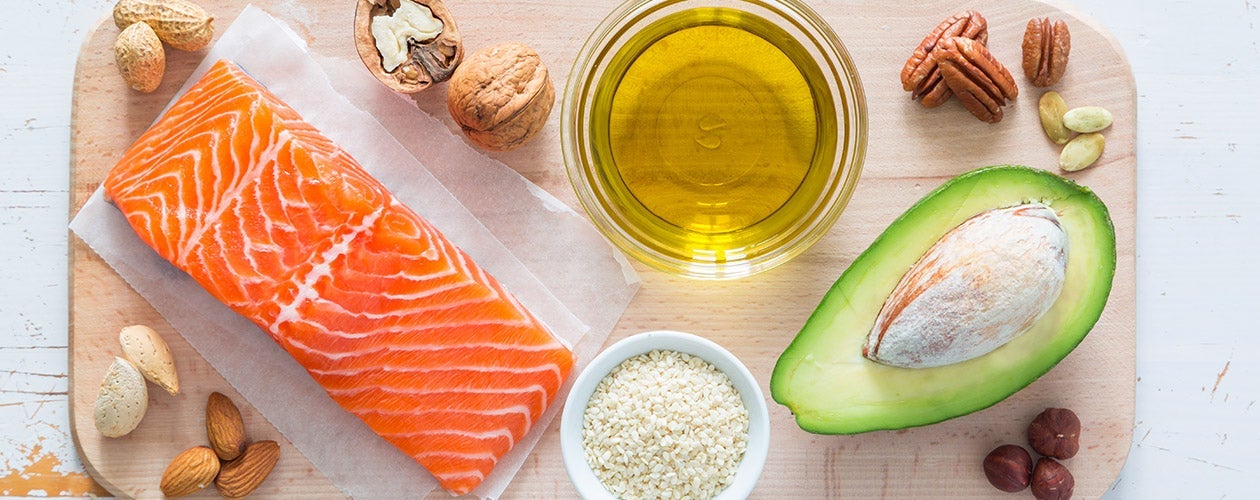
We'll get right to it: like all things that seem too good to be true, sadly fat burning foods are mostly the stuff of myths and legends.
Most 'fat burning' foods and supplements on the market which claim to boost energy, curb appetite and increase metabolism are either ineffective or unsafe – or both, in some cases.
One thing these products have got right is that boosting your metabolism is a great way to lose body fat. In fact, understanding metabolism is the key to understanding how our bodies burn fat.
What is metabolism?
Metabolism describes the continuous chemical processes involved in maintaining the living state of cells within an organism. Put simply, metabolism is what keeps you alive and ensures everything is ticking over.
The many chemical processes happening within your body require energy. The minimum amount of energy required to carry out these processes is known as your basal metabolic rate (BMR). In other words, your BMR reflects the number of calories required to keep your body functioning at rest.
Depending on your age, gender, size and lifestyle, your BMR accounts for anything between 40% and 70% of your body’s daily energy requirements.
Be wary of these ‘fat loss’ foods
The list of foods claiming to help increase your metabolism and boost your weight loss efforts is endless. Lemon will make you lose weight! Seaweed will help you shed pounds! Celery will help you slim down!
From grapefruit to green tea and from caffeine to coconut oil, an endless stream of edibles have been hailed as weight loss superfoods that burn fat. But is there any evidence to back up these claims?
The fact is, most of these so-called metabolism-boosting foods have little to no effect. Some stimulants, like caffeine, chilli and spices may increase your heart rate slightly, which could cause a slight rise in metabolism.
However, the effect is so small that adding such foods to your diet is highly unlikely to impact your weight. Not only that, but a higher heart rate doesn’t necessarily go hand-in-hand with weight loss.
It’s not all doom and gloom though – the caffeine in tea and coffee could deliver an energy spike and increase your staying power at the gym, or help you go the extra mile during your workout.
In that sense, a cup of coffee might help you lose weight 1– just not in the way you thought.
Fat loss 101: top tips from the experts
The energy in food has the biggest impact on your weight. Many people blame their weight on a slow metabolism, when in fact they may simply be eating and drinking more calories than they’re burning.
Tracking what you eat, along with your activity, is the key to losing weight and keeping it off, something the WeightWatchers® app can help with.
However, try to resist the temptation of crash diets in a bid to lose weight fast, as these can cause your metabolism to slow down.
Contrary to popular opinion, restrictive crash diets don’t create the need to burn fat; in fact, they create the need for the body to slow down – and cling onto body fat.
Why? When your body and metabolism think you’re starving, calorie-hungry muscle tissue gets broken down, to reduce energy expenditure. Your body also holds onto fat, a good source of stored energy.
This can not only lead to a higher percentage of body fat over time, but also slows down your metabolism. The lower your muscle mass, the slower your metabolism.
With a lower muscle mass and slower metabolism, it then becomes much easier to put body fat back on after coming off the diet.
On the WW weight-loss programme, you will be given a personalised Points® budget, which is calculated based on individual factors that affect your metabolism, such as gender, age, height and weight.
Top 3 fat burners
Fat burning foods may be a myth, but these techniques can help you lose weight safely and healthily.