Why protein is so important during weight loss
Protein is all the rage right now — here’s why this nutrient should be a priority while you’re losing weight, and how much you actually need.
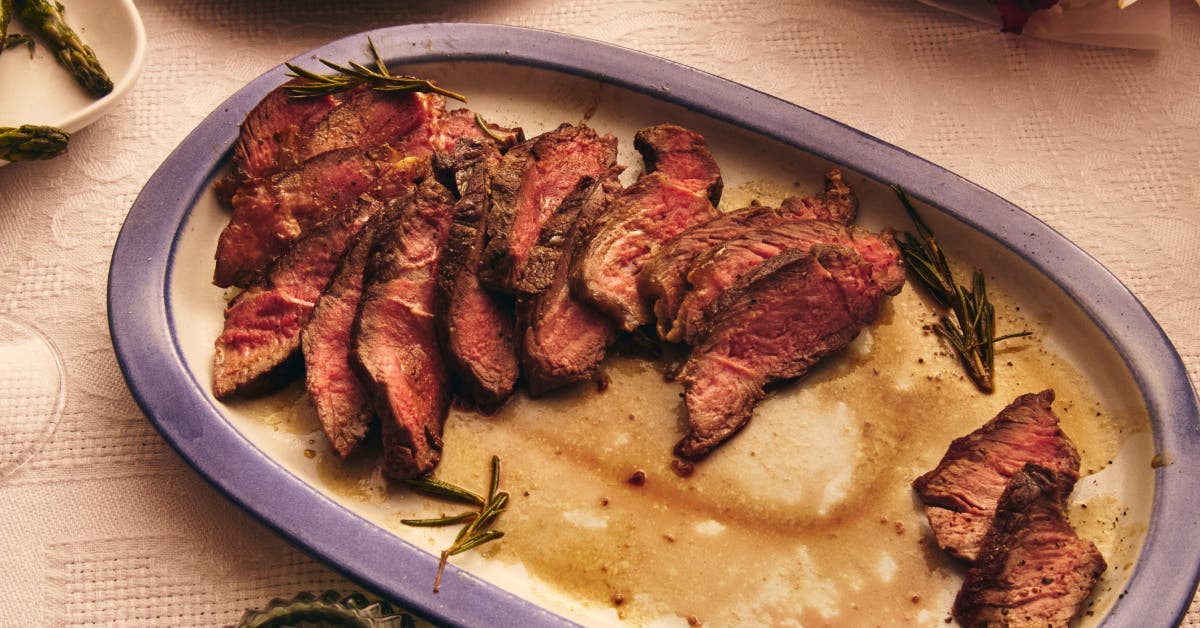
It seems like everyone is obsessed with protein these days — downing cottage cheese by the tub and adding protein to everything from chips to coffee drinks. Is it an over-hyped fad, or beloved for good reason? It's true that if you’re trying to lose weight, eating more protein can help you hang onto crucial muscle mass. Here’s what you need to know about how much to get and how it helps.
Key takeaways:
Getting enough protein is always important, but especially so during weight loss, because 1) it helps you feel full and 2) it helps your body maintain muscle, which is crucial for long-term health.
Experts recommend consuming the bulk of your protein from food, not supplements or protein-added processed foods. Try to get protein from lean cuts of meat, fish and seafood, eggs, and plant-based sources like nuts, seeds, tofu, beans, and lentils.
People trying to lose weight, including those taking a GLP-1 weight-loss medication, are recommended to get more protein, with a target of 1.0–1.6 grams per kilogram of body weight.
A personalized daily protein goal is calculated for you in the Weight Watchers app and is easy to track how close you are to hitting that target.
What is protein?
Protein is an essential macronutrient found throughout the body in muscle, tissue, bone, eyes, skin, and hair. It’s made from building blocks called amino acids. Of the 20 different amino acids, your body can produce 11 of them on its own. So how do you get the other nine, which are referred to as essential amino acids? Through eating protein-rich foods (more ideas on those below).
Why is protein important for weight loss?
There are two key reasons why protein is especially vital for anyone losing weight.
Helping you feel full
Eating protein can increase satiety (how full and satisfied you feel after eating) and reduce your appetite, leading you to eat less. One way it does this is by increasing hormones linked to satiety and decreasing hormones that signal to your brain you’re hungry. This helps explain why high-protein diets can support both weight loss and preventing weight regain.
Helping you hold onto muscle
When you lose weight, you lose muscle mass along with fat. That’s not ideal because muscle burns more calories than fat, so losing it can slow down your metabolism, and then your body requires fewer calories, making you more likely to regain weight. Muscle can also help fight inflammation. Eating protein can help you minimize how much muscle you lose, so you feel strong and are able to continue to do all the activities you love.
What are good sources of protein?
Experts recommend eating a variety of protein-rich foods throughout the day to ensure you get a mix of vitamins and nutrients. And no, you don’t have to eat meat at every meal, or at all, since there are also many ways to get vegan protein. Experts also don’t recommend getting the bulk of your protein from supplements and protein-added processed foods like chips, popcorn, or cookies. Instead, try to get protein from food, especially these good sources:
Lean cuts of beef and pork
Chicken and turkey
Fish and other seafood, including canned tuna and salmon
Eggs
Nuts and seeds
Soy products like tofu and tempeh
Beans and lentils
We have lots of recipe ideas for healthy high-protein meals and snacks.
How much protein do you need?
There isn’t one protein goal for everyone — the right amount for you depends on factors like your weight goals, body size, sex, age, and how much you exercise. The minimum recommendation is 0.8 grams of protein per kilogram of body weight, but people trying to lose weight, including those taking a GLP-1 weight-loss medication like Wegovy or Zepbound, are recommended to get between 1.0–1.6 grams per kilogram of body weight.
A personalized goal is calculated for you in the Weight Watchers app, and then every food you log shows how close you are to hitting your daily protein goal. Or you can calculate your protein needs on your own using this formula:
Your current weight in pounds divided by 2.2 = your current weight in kilograms
Your current weight in kilograms x 1.0 = the minimum amount of protein you should have per day
For example, if you weigh 200 lbs (90 kg) and are trying to lose weight, you should try to eat at least 90 grams of protein per day. That would mean eating 30 grams of protein at each meal.
If you’re on a GLP-1, it might feel hard to get enough protein since your appetite is much less than it used to be. These tips on easy ways to eat more protein without feeling full can help. What else can help? Being a member of the Weight Watchers Med+ program, which includes access to the GLP-1 Success Program. If you’re taking a weight-loss medication, you also get nutrition and lifestyle support that can make all the difference: Med+ members who engaged regularly with the GLP-1 Success Program lost 29.1% more body weight, on average, in 12 months than those who did not engage in behavioral support.*
The bottom line
Protein is important for everyone, but it can be especially crucial for those who are looking to lose weight. Having a high-protein diet can help you feel less hungry and more satisfied after eating and can help you hold on to more muscle mass while you lose weight. The minimum recommendation for protein intake is 1 gram per kilogram of body weight for those trying to lose weight, and using the Weight Watchers app can easily show you how close you are to hitting your daily protein target.
*Based on an internal analysis of 3,325 members who requested at least 1 GLP-1 medication refill through Weight Watchers Med+ and self-reported both a starting weight and weight at week 52. On average, members who logged in to the GLP-1 Success Program at least 4 days each week (n=376) lost 22.20% body weight, and members who never logged in to the app (n=2,949) lost 17.20% body weight in 52 weeks. Not a randomized, controlled clinical trial. Self-reported outcomes have not been independently verified. Individual results may vary.