What is Ozempic butt?
Doctors explain how taking a GLP-1 like Ozempic can lead to some unexpected physical changes, like saggy skin on specific parts of your body, and how to treat it if you feel so inclined.
When you lose weight, there may be certain physical changes you count on — think less belly fat or more energy. But you may also see some changes that weren’t on your vision board. Take sagging skin. While no two bodies will react to weight loss the same way, lax skin can happen anywhere you lose fat: your upper arms, belly, and even your butt. And your risk goes up when the weight loss occurs rapidly, as it can when you’re taking a GLP-1 medication like semaglutide, which is prescribed asWegovy for weight lossor management and Ozempic for type 2 diabetes. This side effect even has led to the internet-coined phrase “Ozempic butt.” Here’s what doctors say about why Ozempic butt can happen — and what you can do about it.
What is Ozempic butt?
Let’s talk weight-loss physiology for a second. When you lose weight, you reduce your overall body fat. And you’re going to lose that fat from many different areas of your body — butt included.
“These changes in appearance, although attributed to medications like Ozempic, could similarly happen with any method that induces rapid weight loss,” says Dr. Carolyn Newberry, M.D., a gastroenterologist at New York-Presbyterian and Weill Cornell Medicine.
Rapid is the key word here. Prescribed under two names — Wegovy, which is FDA-approved for chronic weight management, and Ozempic, which is FDA-approved to help managetype 2 diabetes— semaglutide can lead to significant weight loss in a relatively short period of time.
Think losing5.9% of your weight after three monthsand 10.9% after six months for someone without type 2 diabetes. And while weight loss is less for those with diabetes, it can still lead to 7.2% weight loss after six months.
And losing a lot of weight quickly affects the skin’s ability to contract, saysDr. David Shafer,M.D., a plastic surgeon in New York City. The skin has been stretched out and as you lose weight, it becomes less elastic. And as GLP-1s like Ozempic become more widely taken, Ozempic butt is anecdotally becoming a more common issue. “We are seeing a higher incidence of patients concerned about their butt after losing weight with Ozempic and other [GLP-1s] as they rise in popularity,” Shafer says.
How can I maintain firm skin after weight loss?
The same lifestyle factors that help you stay healthy while taking a GLP-1 — being physically active and eating a balanced diet — are also important for reducing your risk of sagging skin while you lose weight.
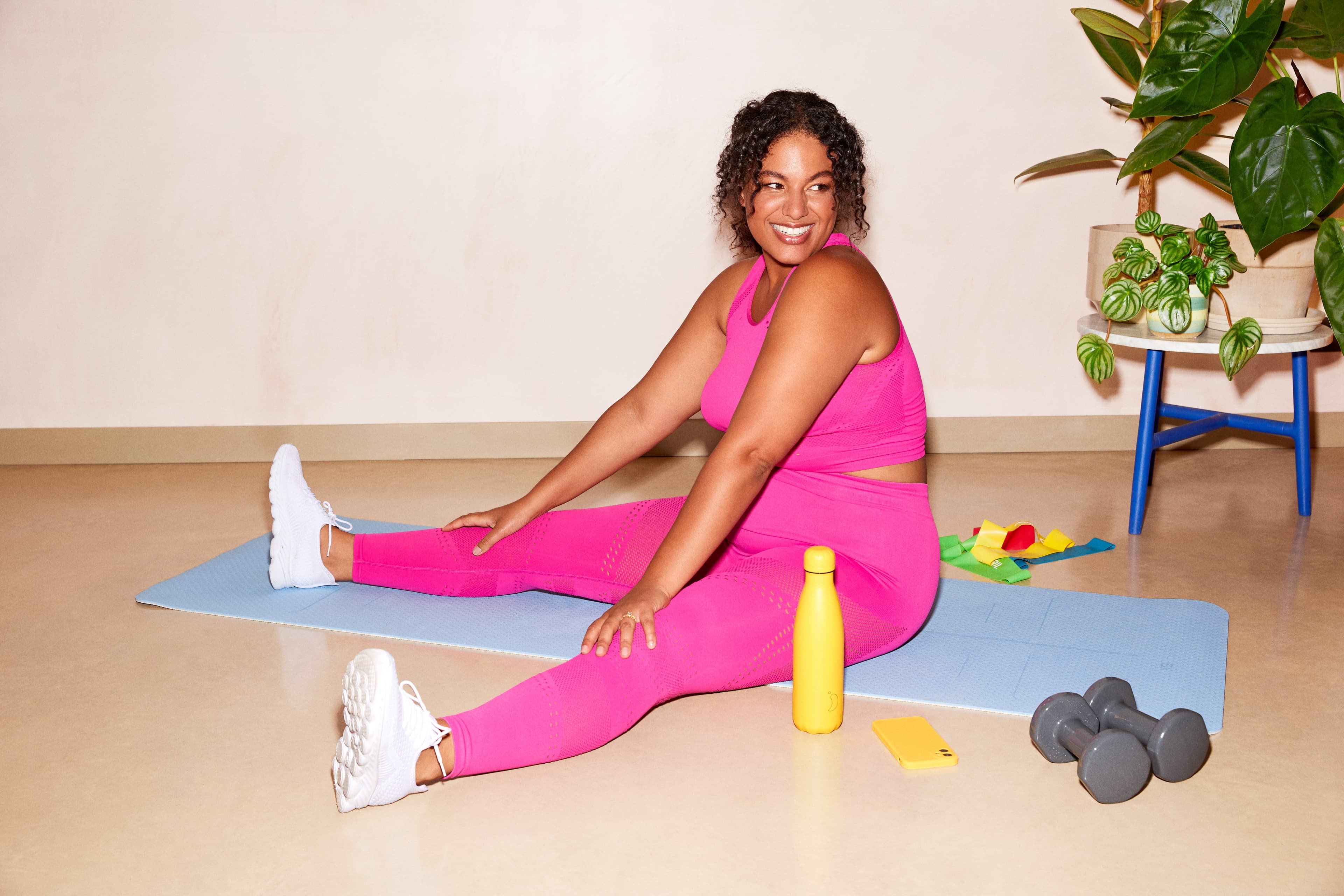
Newberry says that exercise like aerobic activity and strength training can help. And research supports this: A small study found that both aerobic activity and resistance training significantly improved skin elasticity. Researchers are still figuring out exactly why, but one theory is that exercise stimulates the release of proteins and hormones that enhance skin health. And then there’s the fact that muscle helps fill in the space left by the reduction in fat. “While there isn’t research yet on this, we are observing that if you strength train your glutes (the muscles in your butt) and get them larger, that can help compensate for the fat loss and fill and lift the area where fat used to be, smoothing your skin in the process," says Shafer.
Then there’s your diet. “The skin is a major body organ system and depends on good nutrition and energy,” Shafer says, adding that a properly balanced diet is essential to maintain healthy skin andmaximize collagen and elastin— two fibers that boost elasticity. What foods might be most beneficial? The more fruits and vegetables you eat, the better. A review of studies found that a plant-based diet can improve skin health, including its elasticity.
What are the other health benefits of Ozempic?
In addition to helping those with type 2 diabetes manage their blood sugar and lose weight, Ozempic might also be able to benefit your health in other ways. For example, research has shown that GLP-1s like semaglutide help reduce inflammation and oxidative stress, which in turn helps to lower cardiovascular risks. Another small study showed fairly promising results of the drug on heart health—when taken for 32 weeks, study participants saw improvements in blood pressure, triglycerides, and cholesterol. And while more research is needed, preliminary studies have indicated that GLP-1s could be helpful in guarding against other diseases related to brain health and colon cancer.
Are there any side effects to using Ozempic?
Like all medications, GLP-1s like Ozempic come with potential side effects. PossibleOzempic side effectsinclude (in no particular order):
Nausea
Vomiting
Diarrhea
Constipation
Stomach pain
Loss of appetite
Headache
Dizziness
Fatigue
Injection site reactions (such as redness, swelling, or itching)
For a full list of side effects, visit theOzempic website.