Should you microdose your GLP-1?
The idea of taking small doses of these weight-loss medications has become incredibly popular on social media, but is it a legit approach to losing weight? Here’s what experts say.
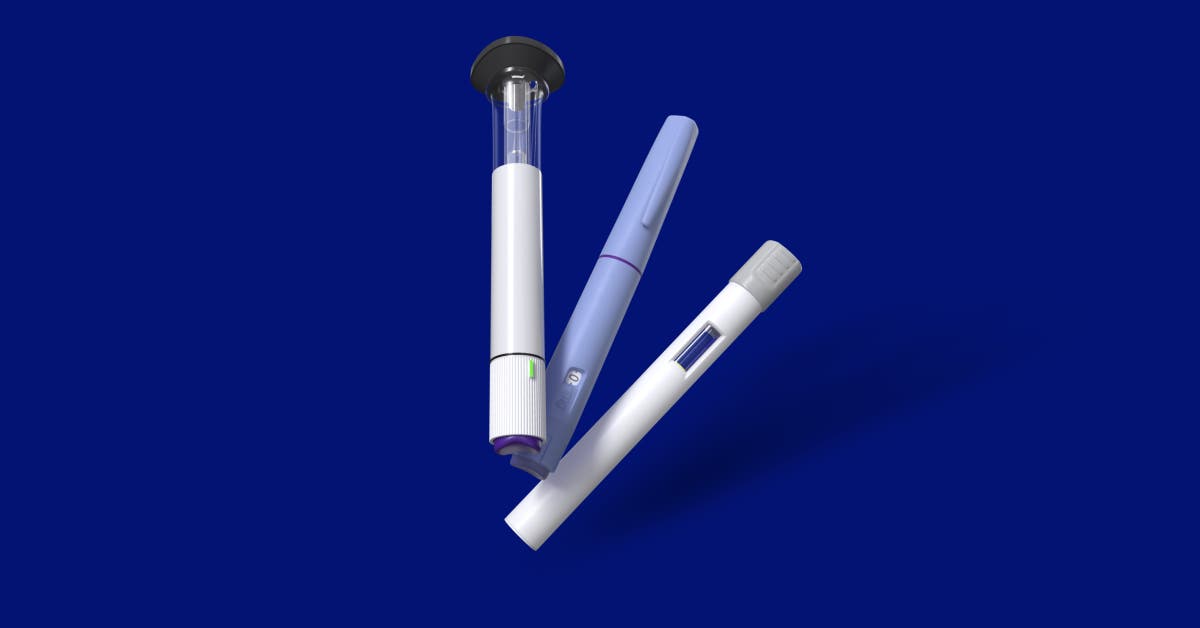
For years now, GLP-1s have had a “more is more” reputation. People couldn’t get enough of them (literally, causing monthslong shortages) and it seemed like the higher dose you took, the more weight you’d lose and the better off you’d be. But there’s a shift happening. Now, we’re learning it’s entirely possible — and maybe even beneficial in the long run — for certain people to dial down the dose and microdose their GLP-1.
While the concept of microdosing is already embraced in other areas of medicine, it can seem kind of “out there” when talking about weight-loss meds. But doctors say GLP-1s lend themselves well to this ultra-precise approach. Here’s why, as well as who may benefit most from microdosing and what to know before trying it.
How GLP-1s work
GLP-1 agonists mimic a gut hormone called GLP-1 (short for glucagon-like peptide). It’s naturally released by cells in your digestive system when you eat, boosting the amount of insulin in your body (to move glucose out of your blood) while inhibiting glucagon (which raises blood sugar levels). It also attaches to the GLP-1 receptors in the brain and the gut to signal that you're full. GLP-1 medications act just like your body's own GLP-1: controlling blood sugar, reducing appetite, and slowing stomach emptying. Altogether, this leads to weight loss.
On top of their benefits as obesity meds, research also shows that they offer other health benefits, like improving heart and brain health and reducing addictive behaviors.
What exactly is microdosing?
While there’s no official or standard definition — probably because the term microdosing was coined on social media — in general, “it means taking a dose that is less than the standard dose recommended by the manufacturer and approved by the F.D.A.,” says Dr. Robert Kushner, M.D., professor of medicine and medical education at Northwestern University Feinberg School of Medicine in Chicago, and Weight Watchers scientific advisory board member.
When it comes to microdosing GLP-1s, there are a few different ways to interpret it. For some people, it means using the lowest possible dose they can to lose weight. GLP-1s come in multiple doses, with many patients starting out on the lowest one and then moving up until they reach the maximum available dose. But if someone stays at that starting dose, that would count as microdosing. “When people talk about microdosing these drugs, they're [often talking about] using the lowest dose,” says Dr. Charlie Seltzer, M.D., an obesity specialist based in Philadelphia.
There are other ways to think of microdosing a GLP-1, though, including administering a dose that’s much smaller than the starting dose, says Dr. Jamil Alkhaddo, M.D., endocrinologist and medical director at the Weight Watchers affiliated medical group. For example, if an individual cannot tolerate the lowest dose of semaglutide, they could give themselves a 0.10mg dose that might be better tolerated.
And finally, people can microdose by spacing out their doses — so instead of doing the injection once a week, they’d do it every other week.
The benefits of microdosing GLP-1s
Microdosing GLP-1s has a lot of appeal, the biggest being its potential to help ease side effects. GLP-1s, especially for new users, can upset the gastrointestinal system, causing nausea, vomiting, constipation, diarrhea, and abdominal pain. These side effects can be intense enough for an estimated 10% to 20% of patients to stop using GLP-1s, and they tend to be dose dependent — meaning that the higher the dose, the more intense or frequent the side effects can be.
The ability to minimize these side effects is probably microdosing’s biggest advantage. It can allow for “more gradual escalation of doses when starting treatment and reduce the GI side effects that most commonly occur during this period,” says Kushner. It effectively personalizes the amount of GLP-1 to your goals and how you respond to the medication.
“Ideally, patients should receive the dose of a medication that is most effective and best tolerated — and this dose may not be one of the fixed doses that are available in a single-dose pen,” Kushner says. “It makes a lot of sense due to the difference in response and tolerance rates among people who are taking GLP-1 medications. While some people respond to taking a very small dose — called super responders — others cannot tolerate moving up to the next higher standard dose and need something in between.”
This helps explain why one recent study among patients with diabetes found that microdosing helped them stick with their GLP-1s, reducing side effects without compromising efficacy. When a small group of patients began taking a very tiny dose — starting at 0.0675 mg, compared to the label-recommended 0.25 mg — and increased it gradually, “they were able to tolerate it better than the folks who started the usual dose and tried to escalate it in the typical way,” says Alkhaddo.
Plus, you may be able to use microdoses of GLP-1s to either slow down or maintain weight loss. Rapid weight loss, which can happen at the higher doses of GLP-1s, can come with potential drawbacks, like increased muscle loss and hair loss, so slowing it down can be a good idea for some people.
And for others, it can help them taper off a GLP-1 while reducing their risk of rebound weight gain — especially if they pair it with other lifestyle changes like regular physical activity and a nutritious diet.
If someone has reached their goal weight and doesn’t want to lose any more, “it makes sense to try the lowest effective dose. Many may be able to stop the medication altogether, or may need to stay on very tiny doses to maintain their weight,” says Alkhaddo. “Even though there have been no studies evaluating this approach, it’s something we definitely see in clinical practice.”
Who should consider microdosing GLP-1s?
Microdosing may be an option for many people, but you should always talk with your provider before changing your dose. “If you can get away with a microdose and achieve your physical goals, then by all means microdose,” says Seltzer.
Of course, those goals can vary. If you’re “a 73 year-old lean guy who had a heart attack and wants to use a low dose to prevent the potential of cardiovascular issues down the road, that's a different person than someone who wants to lose 30 pounds,” he says. So the dose has to align with your expectations. That’s why working with a knowledgeable clinician, like those available through Weight Watchers Med+, is so important.
Microdosing is also worth talking about with your provider if you’ve struggled with the GI side effects of GLP-1s — especially if they’ve caused you to stop taking your medication. And finally, if you’re looking for more gradual weight loss, consider microdosing. This might even benefit you long term. There’s some evidence that losing weight too quickly can have some downsides, so slowing it down might help you maintain it later on.
Is it safe to microdose GLP-1s?
There may be reduced risk in microdosing GLP-1s, especially if you’re doing it under the care of a healthcare provider (as you should). What you don’t want to do is try to DIY microdosing a GLP-1 on your own, as “making changes to your dose without medical supervision may be less safe,” says Kushner.
There’s also the overall risks that come with using GLP-1s. While rare, it’s possible to experience pancreatitis (inflammation of the pancreas), kidney problems (like kidney stones), acute gallbladder disease, and an increased risk of thyroid cancer.
The downsides of microdosing GLP-1s
The main downside is that you likely won’t see results quite as quickly as you would with a higher dose. Weight loss with GLP-1s is dose dependent — the higher the dose, the more weight loss you’ll (likely) see. While there’s not much research out there, one review found that those taking 1.7 mg semaglutide lost roughly 5% less weight than their counterparts taking 2.4 mg.
And while everyone taking a weight-loss medication should prioritize diet and exercise, it becomes even more important when you’re microdosing. “When you are using the lowest dose possible of those medications, adherence to those lifestyle modifications is going to play a bigger role and will help you to stay on track,” says Alkhaddo.
The bottom line
At the end of the day, microdosing GLP-1s is just a buzzy way of talking about a different approach to GLP-1s — namely, starting (and staying) at the right dose for you, even if it’s lower than what the manufacturer recommends. It can be most helpful for people who struggle with the GI-related side effects of these drugs, as well as those looking for more gradual weight loss or who want to taper off a GLP-1 without risking weight regain. Just like with regular use of GLP-1s, you should work with a trusted provider, and, of course, it works best if you pair it with other lifestyle changes, like exercising and eating well.