Navigating an Ozempic shortage: Tips and alternatives
Ozempic shortages have come and gone. Here’s what experts recommend if you encounter a backorder at your local pharmacy.
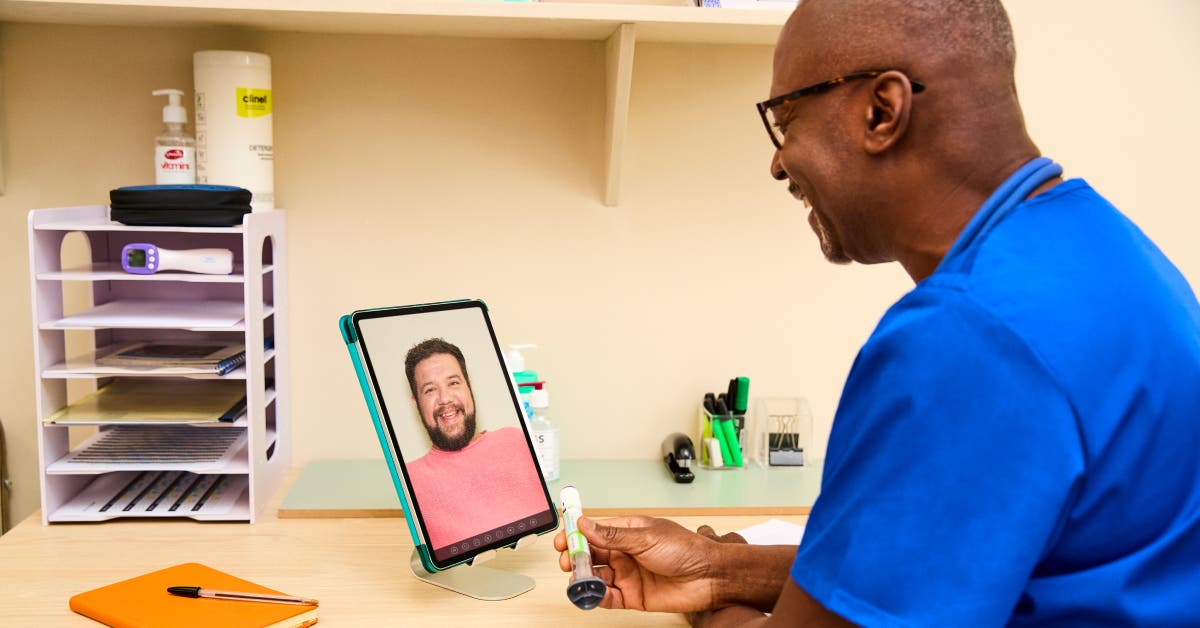
While the GLP-1 medication Ozempic has been FDA-approved since late 2017, its popularity has surged in recent years. That’s because even though it’s approved for helping manage type 2 diabetes, it can also help users lose a significant portion of weight, which increased demand for the drug. The result: Ever since 2022, it’s gone in and out of stock at pharmacies for months at a time. If you’re prescribed the medication and then encounter an Ozempic shortage, it’s important to know your options.
Is there a shortage of Ozempic?
Ozempic is not currently on the FDA shortage list. That's true as of publication, but things can change. Visit the FDA tracker for the latest shortage information.
What caused the previous shortage of Ozempic?
Shortages of injectable Ozempic have occurred due to supply and demand — demand became greater than supply, so there wasn’t enough of the medication for everyone who needed it. For context, Ozempic is FDA-approved only for the treatment of type 2 diabetes, which it helps manage by controlling blood sugar. But those taking the drug also reported weight loss, and that drove Ozempic to be used off-label (when a provider prescribes a drug for something other than what it’s FDA-approved for), leading to shortages.
Consequences of an Ozempic shortage
If you haven’t started on a GLP-1 yet and Ozempic is on backorder, you likely won’t get prescribed the medication at all, says Candis Morello, PharmD, a professor of clinical pharmacy at University of California San Diego. The goal is to “make sure the patients who are already on it are going to be able to maintain it,” she says.
But if you’re already taking Ozempic and a shortage occurs, you might not be able to get your prescription filled or, if you are, not the full supply. “Some insurances will pay for a 90-day supply. When we start having these shortages, we’re sometimes only allowed to prescribe in 30-day increments,” says Morello. That means more trips to the pharmacy, with no guarantee that they will have your medication in stock.
Not only is a shortage inconvenient, but it can also lead to breaks in care, according to Dr. Sarah Fishman, M.D., a board-certified endocrinologist in New York. The injectable drug is given as a weekly shot, so you might find yourself skipping a week while you search for a pharmacy that has it in stock — and even that short a stretch can still impact your diabetes management. If you do need to skip a week, make sure you have a plan in place with the clinician managing your diabetes to determine if other meds need to be adjusted or if you need to adjust your blood sugar monitoring during this time.
What to do if Ozempic is out of stock
First, ask your pharmacist if they have a waitlist for backorders. Not all pharmacies will have a waitlist because they can be difficult to maintain, says Morello, but getting put on one can be a way to ensure you’re told when the pharmacy gets more supply.
After you do that, Fishman recommends calling around to different pharmacies to see who might have the medication available; because there are different distributors sending supply to various pharmacies, it’s entirely possible for a community pharmacy one town over to have Ozempic in stock even when yours is dealing with a backorder. This process can be time-consuming, but if you’re a member of Weight Watchers Med+, your Care Team can help with this process by calling pharmacies directly for you. You’ll also have your clinician at the ready to help you keep up with your healthy habits alongside access to the Weight Watchers GLP-1 Success program — this way, the Ozempic shortage doesn’t derail your treatment plan.
Ozempic alternatives
The good news: Ozempic alternatives abound. When there’s an Ozempic injectable national shortage at hand, “I’ll usually see if we can switch to a different GLP-1 agonist,” says Fishman. Victoza (liraglutide), Trulicity (dulaglutide), and Mounjaro (tirzepatide) are all GLP-1 agonists that have FDA-approval for treating type 2 diabetes. The introduction of the Ozempic pill has added yet another option.
The bottom line
The Ozempic shot, a GLP-1 that’s FDA-approved for type 2 diabetes, has previously been on the FDA drug shortage list. While in shortage, availability may vary. If you are taking Ozempic and can’t find the medication, call around to different pharmacies in your area to see if one has it in stock. If you still can’t find it, talk with your provider about alternatives so that you can continue to manage your diabetes.
This content is for informational purposes only and does not constitute medical advice, diagnosis or treatment. It should not be regarded as a substitute for guidance from your healthcare provider.