Navigating a Mounjaro shortage: tips and alternatives
It hasn’t always been easy to find Mounjaro, a GLP-1 that treats type 2 diabetes. Here’s how to get the medication you need.
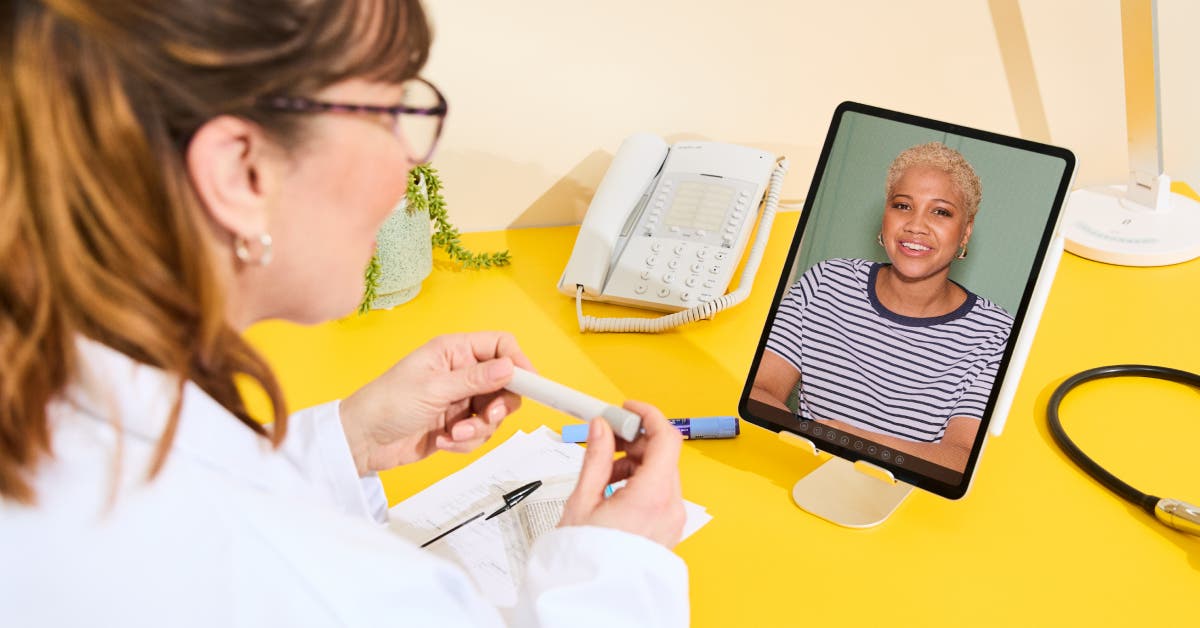
For years, GLP-1 medications for obesity and type 2 diabetes went on and off the FDA’s drug shortage list — including Mounjaro, which first appeared on the list in late 2022. While the type 2 diabetes medication is not currently in short supply, it’s important to be prepared in case a shortage happens again. Here’s how you can work with your prescriber, your pharmacist, and your online weight-loss clinic to stick to your treatment plan and stay healthy if you can’t get your medication.
Is there a shortage of Mounjaro?
The FDA's drug shortage registry shows that Mounjaro is not currently in shortage. While this is true at the time of publication, things can change — visit the FDA tracker for the latest shortage information.
What caused the previous shortage of Mounjaro?
The major reason for the previous shortage was supply and demand — there wasn’t enough supply to meet the demand. Eli Lilly, Mounjaro’s manufacturer, had a tough time making enough of the medication to meet the prescriptions being written. The company couldn't simply construct a new manufacturing facility to boost production, according to Erin Fox, associate chief pharmacy officer at University of Utah Health. “It’s a very intensive process — one that takes a lot of money and time."
On top of that, the shortage made it hard for Eli Lilly to estimate the true demand. Pharmacies were ordering in bulk to try to get enough for their patients, which skewed the numbers, says Fox. This led to a big disconnect between the true clinical need, what was actually available in the supply chain, and when more would be available, she adds.
Consequences of a Mounjaro shortage
A Mounjaro shortage can upend a patient’s treatment plan. “For patients with diabetes, this can have a significant impact on their diabetic management and control,” says Dr. Sarah Fishman, M.D., a board-certified endocrinologist in New York.
As tirzepatide treats type 2 diabetes by regulating blood sugar and promoting weight loss, going without it can lead to spikes in blood sugar and weight regain.
What to do if Mounjaro is out of stock
Even if Mounjaro is out of stock at your usual pharmacy, you have some options. If you still have some left in your supply, ask your pharmacist if they’re expecting any shipments in the near future. “They should have a good idea of if they're getting any orders at all,” says Fox. “And that can help you understand if it's likely that your prescription will be filled.” If they are expecting a shipment, ask to be put on a waitlist so that you get notified when the medication comes in.
If your pharmacist says they're out of stock and don't expect a shipment soon, try other pharmacies. “Sometimes, switching can actually help you get better access,” says Fox. “A smaller pharmacy might be able to help you better than a larger chain, or vice versa.” This is where being a member of Weight Watchers Med+ can help: Your Care Team may call pharmacies on your behalf to help you locate GLP-1 medications like Mounjaro during shortages. You also have access to your clinician to ensure that if you do miss a dose, you can adopt strategies to keep yourself on track.
If you can’t find Mounjaro anywhere, talk to your provider about trying an alternative. The exact availability of GLP-1s is constantly in flux, so you may be able to get your hands on another GLP-1 or a different type of medication to control your blood sugar.
Mounjaro alternatives
One alternative to Mounjaro is Zepbound, which has the same active ingredient — tirzepatide — but is FDA-approved for weight loss and has different prescribing and eligibility requirements. Another option is a different GLP-1 for type 2 diabetes, like Ozempic (semaglutide) or Victoza (liraglutide). You can talk to your provider about switching temporarily to one of those if they are more readily available at your pharmacy, but it isn’t always a simple transition. Switching can be “more challenging for patients on higher doses of Mounjaro,” says Fishman. That’s because the dosages don't translate one-to-one between medications. Switching may also require additional paperwork and time to receive approval for these, depending on your insurance coverage.
Along with your provider, you can also explore medications that manage blood sugar differently than GLP-1s. There are a number of different classes of oral medications that were the mainstay of diabetes management before the advent of GLP-1s, and your clinician will work with you to determine which medication(s) are right for you.
The bottom line
There is no Mounjaro shortage currently, but it’s important to be prepared if things change. If a shortage does occur, talk to your pharmacist to find out if they expect more soon, and call around to other pharmacies since they may have the medication in stock. If you can’t find Mounjaro anywhere, talk to your provider about other medications you can take in order to manage your blood sugar in the meantime.