How long does a GLP-1 prescription last?
The timelines to keep in mind for refills and renewals so you’re never empty-handed.
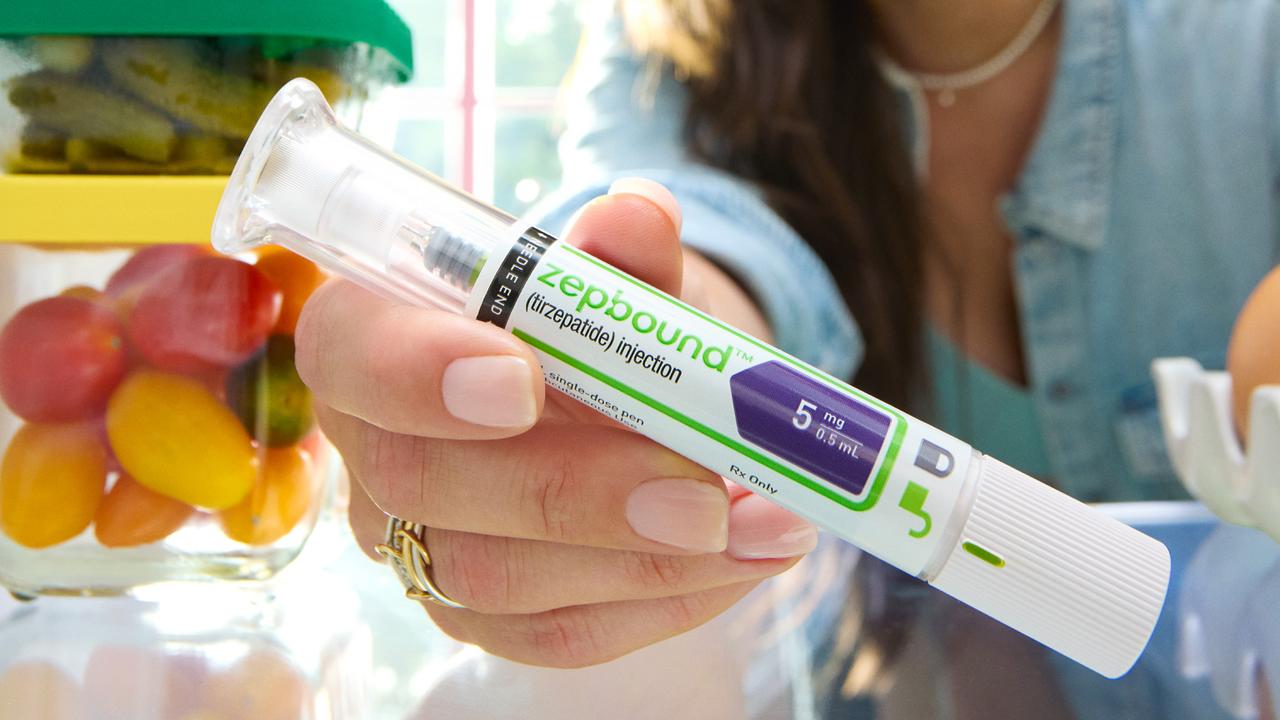
Once you get the prescription from your clinician and you’re ready to start Zepbound, Wegovy, or another GLP-1 for weight loss, you might find yourself wondering: “How long does a GLP-1 prescription last, anyway?” Most of these medications, after all, are injectables — and managing them can feel pretty dissimilar to your other prescriptions.
That question actually encompasses three different concerns: how long your GLP-1 prescription stays valid, how long each GLP-1 refill lasts, and how long the medication stays good once opened. We’ve got the answers for all right here — plus tips to keep in mind so you’re never left scrambling.
Key takeaways
A GLP-1 prescription is usually valid for up to 12 months from the date it’s written.
Your pharmacy typically provides a month’s supply at a time.
Refills usually require staying in touch with your prescriber — many providers schedule ongoing check-ins to continue the prescription.
Insurance may require a periodic prior authorization, and supply shortages can occasionally cause gaps.
A platform that manages refills for you — like WeightWatchers Med+ — can help you avoid running out.
The prescription vs. the medication
When we’re talking about how long your GLP-1 prescription remains valid, the answer is usually 12 months. For how long each prescription refill will keep you in supply, the clock is much shorter. You’ll generally get enough pens and vials to last you a month. Lastly, there’s your prescription’s shelf life, or how long it stays good once opened. That’s on a whole other schedule — we’ll get to that in a minute.
How long is a GLP-1 prescription valid?
“Most prescriptions expire a year after they are written,” says Sarah Nadeem, M.D., an associate professor in the department of endocrinology, diabetes, and metabolism at the Baylor College of Medicine. Exactly how long a prescription remains valid is set by the state law, however, so the window can be shorter or longer depending on where you live.
How long does one pen, vial, or bottle last?
The type of pen matters for supply. For most GLP-1 pens, each contains one dose — so you would get four different pens to last you the month, says Sabina Kobylinski-Tognazzini, D.O., quality assurance lead and physician manager through Weight Watchers Med+. This is the case with Wegovy injections. (You can learn more about Wegovy dosing here.) Zepbound has an option for a single-dose pen along with a multi-dose pen, KwikPen, that would last you the whole month. Zepbound also offers single-dose vials, which you inject with a separate syringe. The monthly refill contains four vials, one per week. (You can learn more about Zepbound dosing here.)
As for oral meds, if you’re taking the Wegovy pill, you’ll get one bottle with 30 tablets, one tablet per day — same goes for Foundayo (orforglipron).
What does this mean for shelf life?
Medication expiration dates are listed on the GLP-1 bottle or box, but how you store your GLP-1 matters for shelf life. Like other oral medications, the Wegovy pill and Foundayo should be stored in a cool, dark environment like a medicine cabinet. Wegovy and Zepbound pens and vials should be refrigerated before use to maintain peak potency:
An unopened Wegovy in its original box is good for up to 28 days at room temperature.
An unopened Zepbound single-dose pen or vial in its original box is good at room temperature for up to 21 days. An in-use KwikPen should be discarded 30 days after its first use — or sooner if it has been at room temperature for 30 days or has already delivered 4 weekly doses (whichever comes first).
How many refills do you get — and when can you refill?
Just as insurance coverage for GLP-1s varies, so too does how each provider handles refills. They may write a prescription for several refills or they may write a prescription with zero refills, preferring that you check in every month so they can more closely monitor your progress.
How soon you can refill is typically set by your insurance plan. Generally, insurance requires you to wait until you’ve used about 75% of your current supply before getting a refill. “For weekly injectables, usually we have patients refill when they have one injection left. So that gives seven days to fill that prescription,” says Kobylinski-Tognazzini.
Regardless of which medication you’re on, you don’t want to wait until the last minute to request your refill; it’s important to give the pharmacy enough time to process your request and account for any delays or supply chain issues.
What if you run out or hit a supply gap?
There are a few reasons your refill may lapse. Running into a snag with your prior authorization is a common one, says Nadeem. Nearly every GLP-1 prescription now goes through prior authorization — a process to get a permission slip from your insurance saying you’re covered for a certain medication. Many people aren’t aware that you need a new prior authorization each year in January or every time you switch insurance companies. Some even require a new prior authorization every six months. If that authorization lapses, it can take time to straighten it out: You’d need your provider to send it in, and then wait for your insurance company to process it.
Missing a follow-up appointment can cause your prescription to lapse, or sometimes life gets in the way and, whether due to travel, responsibilities, or financial issues, you haven’t been able to take your medication as prescribed. In those cases, call or message your provider, says Kobylinski-Tognazzini. They may need to adjust your dosage when you do start back up to account for the lapse, she says.
Finally, sometimes things get a little bumpy on the manufacturer’s or pharmacy’s side with supply chain issues. Luckily, your pharmacy can transfer your prescription to another pharmacy that might have it in stock.
If you aren’t able to fill your prescription in time and have to stop suddenly, you don’t have to worry about anything harmful in the short term. says Kobylinski-Tognazzini. “The only thing is you may have a little bit more food noise and hunger if you have a small gap.”
That’s when it becomes really crucial to lean on the healthy habits you’ve been building to get you through the gap — like prioritizing protein and fiber, coping with stress, and other behavior-change techniques. If you are going to miss more than one dose, contact your clinician to ensure no dosage adjustments need to be made before restarting.
When your GLP-1 runs out, just don’t try to source meds yourself from unverified sources, take some of a family member or friend’s medication, or microdose from your current supply to make what you’ve got last longer, Kobylinski-Tognazzini says. This is definitely not an area of your life to DIY.
How Weight Watchers Med+ manages your refills
Weight Watchers Med+ makes the refill process that much smoother. Right in the WW app, you can schedule your check-ins and request prescription refills with the touch of a button. (You’ll even get reminders when it’s time.) Your Care Team, meanwhile, coordinates the refills and insurance prior authorizations, and flags any issues before you run out — so continuity isn’t all on you.
Prescriptions with Med+ are also written month to month, says Kobylinski-Tognazzini. “We want our members to check in so we can see how they are doing with their weight and if they’re experiencing any side effects,” she says. That check-in can determine if your dosage is okay to continue or if it should be adjusted. It’s more work for the clinician, but this provides a truly personalized experience for the member.
The bottom line
A GLP-1 prescription is generally valid for up to a year, but the exact window is set by state law and varies. Your prescription may have zero refills or several — it depends upon your plan with your clinician. Refills for pens, vials, or pills should last you a month. How many pens you get depends on whether you’re getting a single-dose pen (in which case you’d get four per month) or a multi-dose pen (you’d get one per month with four weekly dosages). Gaps with refills can happen, and being without your meds can be stressful. That’s why a provider that manages all the moving parts involved with the refill process can help keep you on track.