9 Herbs to Grow in Your Garden
A great way to add flavor to your cooking, homegrown herbs can be fulfilling to grow.
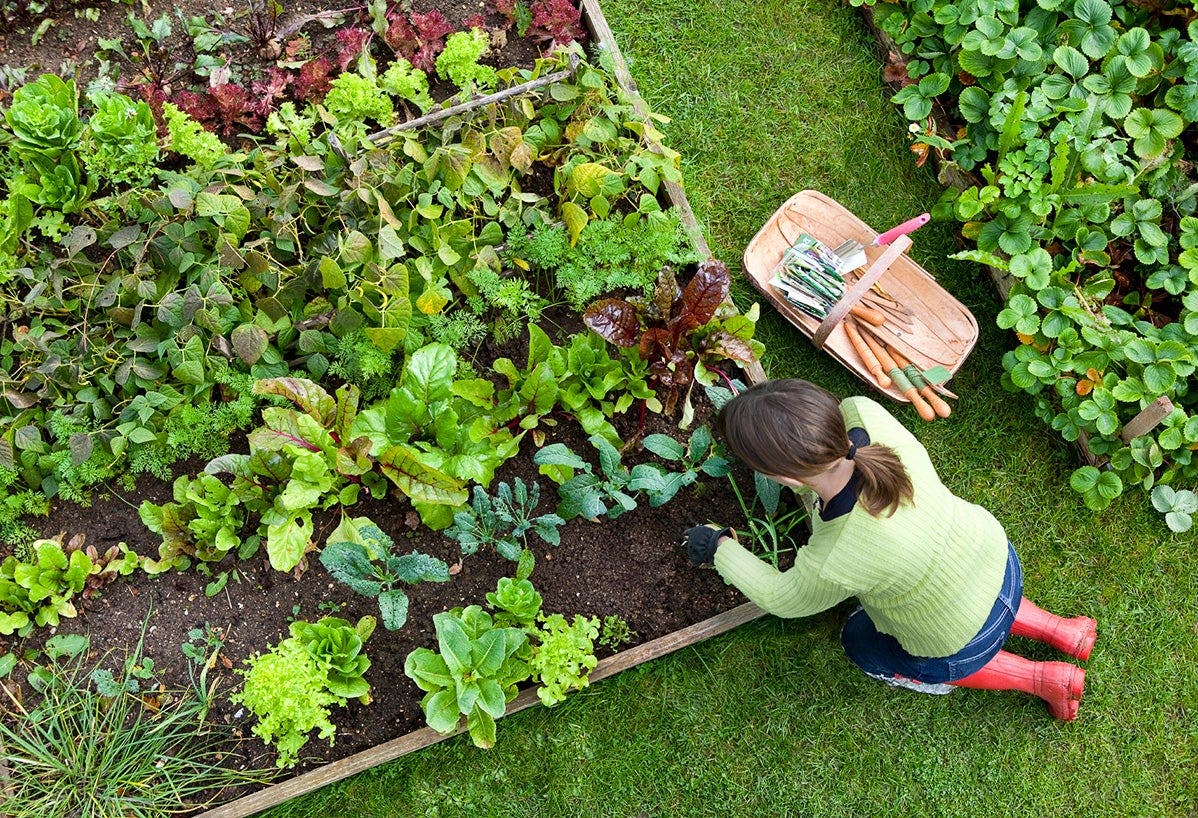
You don't need a green thumb to reap the benefits of herbs—disease-fighting antioxidants, valuable nutrients, fresh flavor, and more. You can grow your own herb garden in pots or in a window box in your kitchen. How? Here's an herb-by-herb guide to getting started.
Parsley
A popular garnish and an underrated seasoning, parsley is perfect with eggs, soups, sauces, and fish. It complements other herbs, and is an indispensable component of bouquet garni (along with thyme, marjoram and bay leaf).
Needs sun and moist, sandy, well-drained soil.
Plant spring to fall.
Harvest when plant is about 8 inches tall.
Sage
The leaves of this plant add flavor to pork, poultry, veal, and hearty soups. May be grown from seeds or cuttings.
Needs sun and well-drained soil.
Plant in spring.
Harvest just before plant flowers.
May not be suitable for indoors, since sage can grow to a height of 3 feet.
Rosemary
The tiny, silver-green leaves of this aromatic, flavorful plant make an ideal accompaniment to lamb and other meat dishes. May be grown from seeds or cuttings.
Needs sun and well-drained soil.
Plant in spring.
Harvest any time.
Thyme
This strongly flavored herb is excellent in soups, casseroles, and meat dishes. Can be propagated from root divisions and cuttings, as well as from seeds.
Needs sun and light, sandy soil.
Plant in spring.
Harvest leaves just before plant flowers.
Chives
Very mild members of the onion family, chives are easy to grow. They are delicious finely chopped over egg dishes, soups, fish, chicken, salads, and steamed vegetables, or mixed into soft cheeses and dips.
Needs sun and rich, well-drained soil.
Plant in spring.
Harvest just before plant flowers.
Basil
There are several types of this wonderfully aromatic herb — sweet basil is one of the most popular. It complements tomatoes beautifully, and is wonderful with pasta and for pepping up salads. Make your own pesto sauce by blending basil together with pine nuts, garlic, olive oil, and Parmesan cheese.
Needs sun and rich, moist soil.
Plant at the end of spring or beginning of summer.
Harvest in early autumn.
Dill
The seeds of this fragrant, feathery herb add piquant flavor to cabbage, coleslaw, breads, dill pickles, and vegetable dishes. The leaves are delicious with fish, eggs, potato salads, and other dishes.
Needs rich, moist, well-drained soil and a sunny, sheltered position.
Plant in spring.
Harvest when the plant comes into bloom.
Not suitable for indoors, since dill grows to three feet and isn't easily transplanted.
Mint
There are many varieties of this cool, clean-flavored herb. Use in herbal tea, as a flavoring for vegetables, salads, sweets, and as a sauce with lamb. Can be grown from root division or stem cutting.
Needs sun and moist, well-drained soil.
Plant in spring.
Harvest when plant comes into bloom.
Oregano
Strongly-scented oregano is perfect in pizza, pasta and Mediterranean cooking, and is great sprinkled over meat before roasting. May be grown from seeds or propagated from root division or stem cuttings.
Needs sun and alkaline, well-drained soil.
Plant in spring.
Harvest just before plant blooms.
How to store freshly cut herbs
Herbs taste best when used fresh, but here are some ideas for perfect preservation:
Dry extras on racks set in the shade.
Or, chop finely and place with water in ice cube trays in your freezer. Add the resulting herb ice blocks to soups and casseroles for fabulous fresh flavor. Hint: Mint "ice blocks" are delicious in cool drinks.
RELATED: Spice Up Your Life