How to navigate a Zepbound shortage
When demand is greater than supply, it can be hard to find the medication you need. Here’s what to do so you can keep up with your treatment plan.
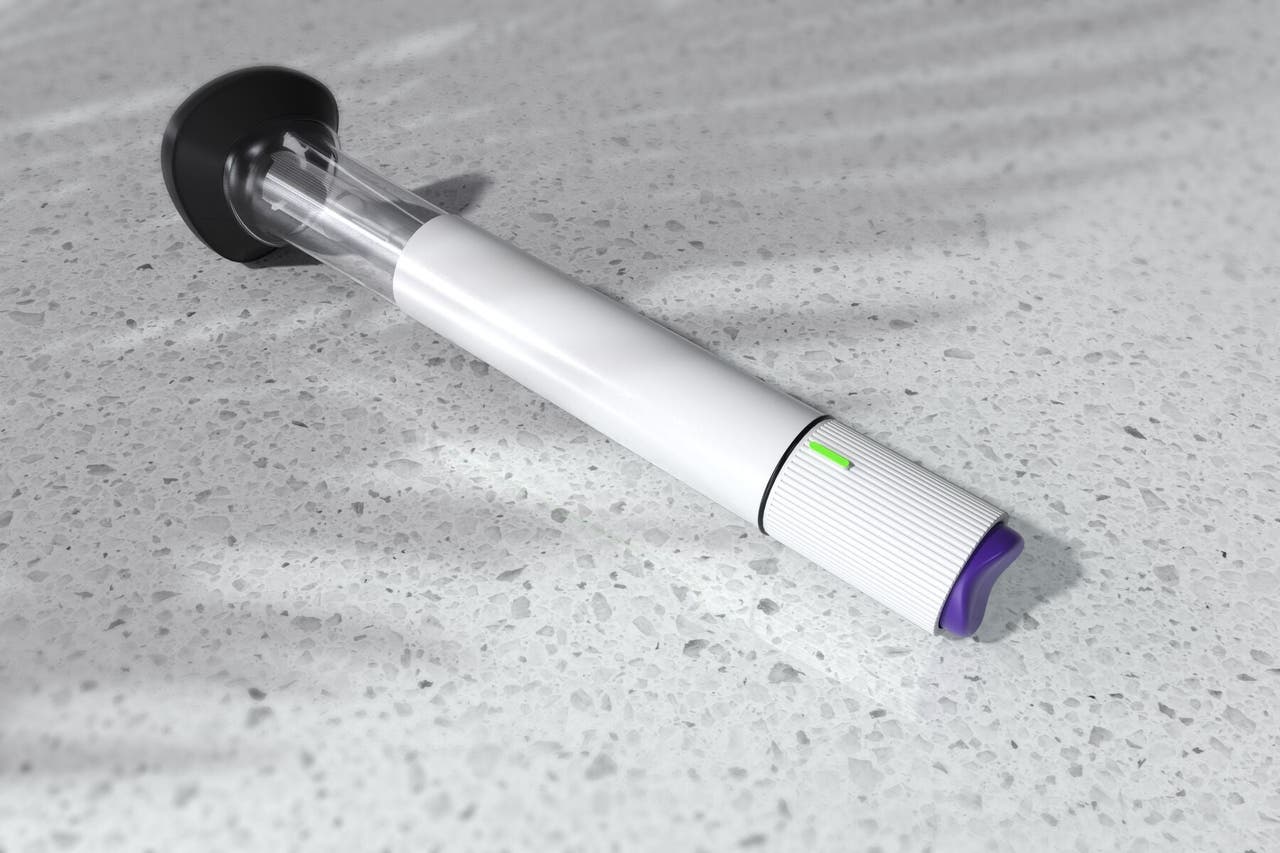
When the GLP-1 weight-loss medication Zepbound was approved by the FDA in late 2023, it made headlines for two things: its ability to help people lose a significant amount of weight and the fact that it was almost always in short supply. While that’s (thankfully) no longer the case, it’s important to know what to do if there’s ever a shortage. Experts spell out the reasons behind the past shortage and what you should do if your pharmacy is out of stock in the future.
Is there a shortage of Zepbound?
The FDA reports that there is not currently a shortage of Zepbound. While this is true at the time of publication, things can change — visit the FDA tracker for the latest shortage information.
Why was there a shortage of Zepbound?
There wasn’t enough supply to meet the high demand, says Dr. Deborah Horn, D.O., medical director at the University of Texas Center of Obesity Medicine and Metabolic Performance, and a clinical associate professor of surgery at the University of Texas Medical School at Houston.
Zepbound is a popular medication because it’s highly effective — shown to help adults with overweight or obesity lose an average of about 21 percent of their body weight in a little over a year, when combined with diet and exercise.* What’s more, trials are revealing that GLP-1 agonists have health benefits beyond weight loss, says Horn. “There are advantages not just for obesity, but also sleep apnea and cardiovascular risk reduction,” she says. As more people and healthcare providers understand the benefits of these GLP-1s, more people are asking for them. As a result, Eli Lilly, the manufacturer of the Zepbound, wasn’t able to make enough Zepbound to keep up.
Consequences of a Zepbound shortage
The biggest impact of a Zepbound shortage is that you may not be able to fill your prescription at the pharmacy. This can hinder your weight-loss progress. “If you miss doses, it’s likely that the effects of the medication, such as appetite suppression, will wear off and you may regain weight,” says Dr. Michael Knight, M.D., a clinical professor of medicine at The George Washington University School of Medicine and Health Sciences in Washington, D.C. But this doesn’t happen immediately, he adds. “It usually occurs over many weeks or months.”
To help your body adjust to the medicine, your provider will initially start you at a 2.5 mg dose and gradually increase it over months. If you miss more than two weeks of Zepbound at higher doses, your provider will likely need to adjust the dose you take when you start up again to reduce the risk of side effects such as nausea and vomiting, Knight adds. (Find a full list of side effects here.) Your provider will be able to guide you, so talk to them if you've missed any doses.
What to do if Zepbound is out of stock
Ask the pharmacist if they’re expecting any Zepbound shipments or if they know of any other pharmacy where your dose is in stock. “Each pharmacy chain has their own supply of these medications, so it is important to check with all available pharmacies, including mail-order pharmacies,” says Knight. Zepbound can be prescribed online and filled by a mail-order pharmacy that ships it to your door.
You may need to spend some time calling around to different pharmacies in your area. “Smaller pharmacies with fewer customers often have more availability,” says Knight. If you’re a member of Weight Watchers Med+, your Care Team may be able to help by calling your local pharmacies to check if they have Zepbound.
If you can’t find your Zepbound dose in stock, talk to your healthcare provider. Your doctor may recommend temporarily going on another dose that’s available. Or you may need to switch to another medication altogether, although that’s usually a last resort. With Weight Watchers Med+, your clinician can work with you to implement strategies to stay on track with your health goals while you’re without your medication, and access to the Weight Watchers GLP-1 Success program will help you continue with your nutrition and lifestyle habits.
Zepbound alternatives
If there’s a backorder of your Zepbound dose, your doctor may suggest changing to another medication. Other GLP-1s approved by the FDA for weight loss — Wegovy, Saxenda, and Foundayo — are options to discuss with your provider. Don’t try to switch between the medications on your own, warns Knight. Although they are all GLP-1 agonists, each one has its own set of doses and side effects.
People’s bodies also respond differently to medications, adds Horn. For example, you may feel great while taking Zepbound, but experience side effects with one of the other GLP-1s. You can also talk to your provider about other prescription weight-loss medications. These include:
Adipex-P (phentermine)
Qsymia (phentermine/topiramate)
Contrave (naltrexone/bupropion)
Xenical (orlistat)
The bottom line
If there is a Zepbound shortage, you may have a hard time finding Zepbound at your local pharmacy. If it’s out of stock, you may need to call around to other pharmacy locations. At Weight Watchers Med+, your Care Team may call local pharmacies to track supply on your behalf. Still can’t find your Zepbound dose? Talk to your healthcare provider about your options. You may need to take a different dose or medicine altogether until Zepbound is back in stock.