What to expect from a telehealth GLP-1 evaluation
Considering accessing a GLP-1 prescription online? Here’s what to know about how the process might go — from the introductory questionnaire to post-prescription follow-ups.
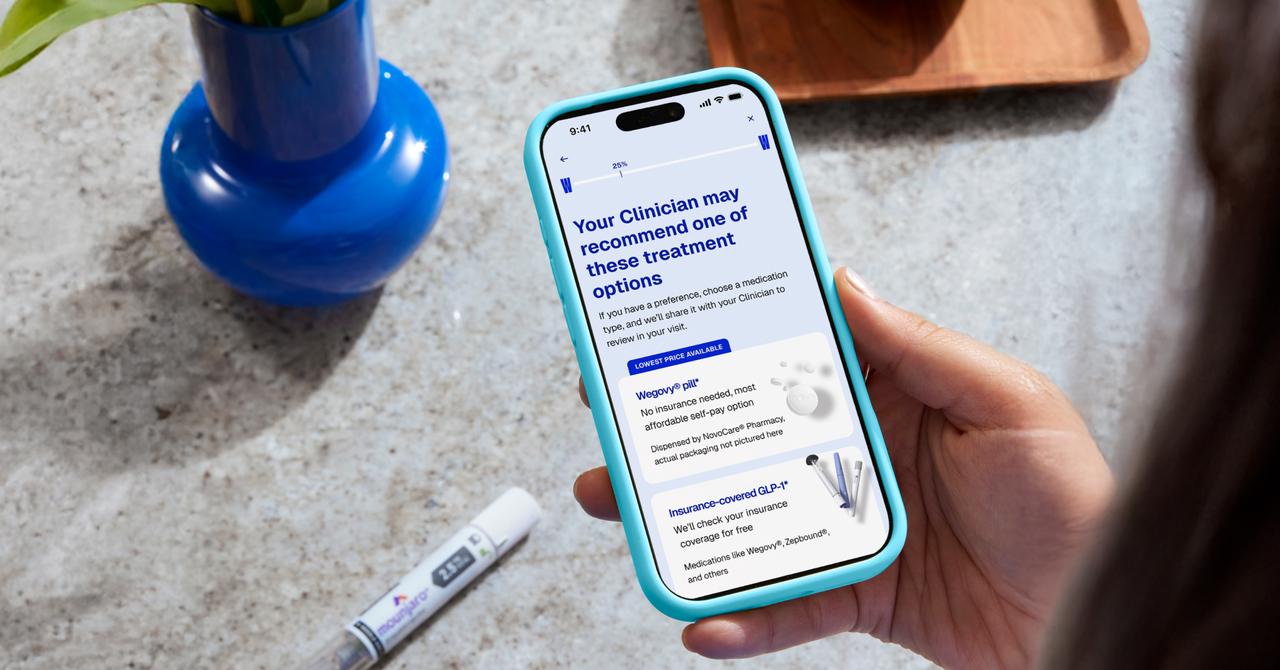
In this article:
- What is a telehealth GLP-1 evaluation?
- Step 1: Fill out a health questionnaire
- Step 2: Visit with a licensed clinician
- Step 3: Explore your medical history
- Step 4: Receive a prescription and treatment plan (if you’re eligible)
- Step 5: Follow up with your clinician regularly
- Who usually qualifies — and who might not be a candidate
- How Weight Watchers Med+ handles your evaluation
- The bottom line
If you’re interested in joining the one in 10 people currently prescribed a GLP-1, you might be considering going the online route with a telehealth clinic. If so, there are a few important considerations before exploring a medication like tirzepatide or semaglutide through an online provider. For one thing, this is not some sort of online shop where you click purchase and call it a day. GLP-1s are prescription-only medications, and a licensed clinician should drive every medical decision related to them.
But that’s just the beginning. Below, learn what a telehealth GLP-1 evaluation is like, who qualifies, how to get a prescription, what happens after, and more.
Key takeaways
A telehealth GLP-1 evaluation is a process used to determine whether you medically qualify for a GLP-1 medication. Instead of visiting a doctor’s office in person, the evaluation and, if eligible, prescribing happen virtually.
Every telehealth company has a different enrollment and assessment flow, but you can generally expect a health questionnaire, a review of your medical history, and a discussion with a licensed clinician. If your clinician determines you’re a candidate, you may also receive a prescription and continued care through follow-ups and dose adjustments.
GLP-1s aren’t right for everyone. These medications have clinical risks and side effects, and your clinician will evaluate you to make sure they’re appropriate for you to take and, if they aren’t, discuss a different treatment plan.
Weight Watchers Med+ is unique because it pairs a clinical evaluation with access to weight loss medication, nutrition and behavior guidance, and community support. Each part of this program plays an important role in building habits designed for long-term success.
What is a telehealth GLP-1 evaluation?
If you’re interested in accessing a GLP-1 medication prescription, there are two main paths to take: See a prescribing clinician in-person for an appointment or conduct the visit over a telehealth platform. With the latter, you will still need to medically qualify to receive a prescription, but instead of going to your doctor’s office physically, the evaluation and prescribing can happen through a secure virtual consultation (subject to state-specific telemedicine regulations).
A telehealth visit is a lot of things: Convenient, time-saving, flexible, accessible. What it should not be is “healthcare-lite.” “GLP-1 medications can be safely accessed online if patients receive real medical care, not just access to medication,” says Dr. Nneoma Oparaji, M.D., DABOM, a Houston-based internal, obesity, and lifestyle medicine physician. “A reputable program should include evaluation by a licensed clinician, screening for contraindications, appropriate dose escalation, monitoring side effects, and dispensing through a licensed pharmacy.”
If you’ve never used a telehealth clinic to access prescription weight-loss medication before, here are the five steps you can expect (although they may differ between clinics):
Step 1: Fill out a health questionnaire
A health questionnaire is the first step in the screening process before you’re connected with a clinician. The questionnaire will differ depending on what telehealth clinic you’re going through, but the idea is to understand where you are now in your weight journey and document your relevant medical history. Some examples of questions asked include what type of medication you’re looking for, reasons for weight loss, weight loss goal, medical history, your age, state you live in, if you have insurance coverage for GLP-1s, and more.
Step 2: Visit with a licensed clinician
This will seem pretty similar to an in-person doctor’s visit, just done via your computer. During the virtual appointment, your clinician will go over your intake questionnaire responses in detail and may ask additional questions. This may seem like a formality, but it’s an important step in assessing medical eligibility and discussing potential treatment options. You may also have the option to do an asynchronous meeting, which is when you and the clinician message each other through a secure portal.
Step 3: Explore your medical history
GLP-1s are not right for everyone, so you want to be sure that your assigned provider goes over your health specifics during that first visit (or in your initial back-and-forth messaging). Your clinician should consider a history of several conditions in your medical history, such as pancreatitis, gallbladder disease, pregnancy or plans for pregnancy, a personal or family history of medullary thyroid cancer, and use of other medications like insulin, which can also affect your blood sugar levels when combined with GLP-1s, says Oparaji. Having these conditions can make you ineligible for a GLP-1, so it’s something you and your clinician will need to consider.
Step 4: Receive a prescription and treatment plan (if you’re eligible)
GLP-1s are prescription-only medications and different ones have different approved uses. For example, Ozempic and Mounjaro are FDA-approved for type 2 diabetes, while Wegovy and Zepbound are approved for chronic weight management. Following the evaluation, your clinician will determine if weight loss medication is medically appropriate. If you are eligible for a prescription, they will discuss with you which medication treatment plan is best, prescribe a medication, and go over anything else you may need to know. This includes side effects, boxed warnings, how GLP-1s work for weight loss, and realistic expectations of how quickly you can expect to see weight loss.
Quick note here: If an online service lets you buy medication without a prescription, you want to walk away. GLP-1 medications are prescription drugs, not simple “weight-loss aids,” says Oparaj. There’s no OTC Ozempic, Wegovy, or any other GLP-1 available, so you need a prescription to access the medications legally.
Step 5: Follow up with your clinician regularly
Your relationship with your provider shouldn’t end once you get the Rx. You and your clinician should check in regularly about any side effects you’re having, whether it’s time to adjust your dose, and the lifestyle component (diet and exercise) that can make you feel better and improve your overall health on a GLP-1. This is the heart of what medically supervised weight loss is and is why GLP-1s are not a DIY kind of treatment.
“It’s important to take these medications under close clinical supervision,” says Dr. Zoya Mohiuddin, M.D., head of trust and patient safety, WeightWatchers Clinic. You want to have a clinician that you can ask how you can get in touch with them if you’re having side effects or what you should do in case of an emergency. “It’s for your safety and for long-term successful weight loss. The entire process is not about how quickly you can get a prescription, access medication, or increase your dose. We always want to think about someone holistically,” Mohiuddin says.
Who usually qualifies — and who might not be a candidate
One of the hallmarks of a legitimate online GLP-1 consultation is that a licensed clinician will perform an evaluation and determine if you are medically eligible for a GLP-1, which medication makes sense for you, and how to use it as prescribed, says Oparaji.
A clinician will consider eligibility factors such as:
BMI (GLP-1s are typically approved for those with a BMI of 30 or higher or 27 or higher plus a weight-related comorbidity such as high blood pressure, cardiovascular disease, or obstructive sleep apnea)
Potential medication interactions that could result in dangerously low blood sugar or other issues
The parameters listed above are on the FDA-approved GLP-1s prescribing label, but your clinician can determine what is clinically appropriate for you based on your medical history and goals.
Some people should avoid GLP-1s. You are not a candidate for a GLP-1 medication if you have a personal or family history of medullary thyroid cancer or multiple endocrine neoplasia type 2 (MEN2). Certain conditions require warnings and precautions or may make you ineligible for treatment, such as acute pancreatitis or gallbladder disease. In addition, you should not take GLP-1s during pregnancy and lactation or if you’re trying to become pregnant. If you fall into any of these categories, your clinician can guide you into what other weight-loss medications may be a good fit, if any.
How Weight Watchers Med+ handles your evaluation
Weight Watchers Med+ is designed to provide comprehensive, medically supervised care throughout the evaluation and treatment process. You’ll go through a thorough virtual evaluation with a licensed clinician that includes a careful look at your medical history and goals. And then — if you’re medically eligible — you’ll get a prescription for an FDA-approved medication. But it doesn’t stop there. You’ll continue to check-in regularly with your clinician and can reach out to them at any time.
Beyond the prescription, you’ll also get access to a complete lifestyle program, GLP-1 Success, that helps you eat better, move more, and build the habits you’ll need to help maximize your journey on medication. Med+ members prescribed a GLP-1 who engage regularly with the GLP-1 Success Program lost 29.1% more weight on average at 12 months than those who didn’t engage in the behavioral support.*
The bottom line
The ability to get a GLP-1 online has made diabetes and weight care more convenient and accessible, but not all websites are the same. “Although online access has made treatment with GLP-1 more convenient and accessible, it should never come at the expense of bypassing medical safeguards that should accompany a prescription,” says Oparaji. Look for an online clinic with 360-degree care, like Weight Watchers Med+. Its structured framework pairs clinical oversight with lifestyle support to promote patient safety and informed care each step of the way.