How to craft a balanced, healthy meal
This article was originally written by the Sequence clinic team (now known as WeightWatchers Clinic).
We like to split foods into these four main categories:
Protein 🍖
Produce (non-starchy vegetables and fruit) 🌱
Fats 🥑
Making sure you get a good mix of them is key to crafting a satiating, healthy, and balanced plate.
Let’s see how:
The formula for a balanced meal 🥁
Protein + produce + carbs + healthy fat = a balanced meal
Pretty simple, right?
Aim to have these 4 components in the approximate proportions seen below, especially for lunch and dinner.
Let’s figure out your dinner plans! Pick something from each food type and stay close to the serving sizes noted. Your plate should look something like this: Practice makes perfect.
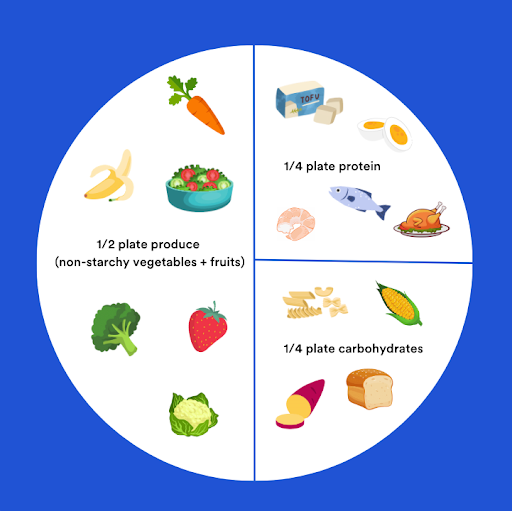
Practice makes perfect
Well actually, practice makes things easier, but it’s okay to not be perfect (in fact, having some flexibility is key for long-term weight loss and happiness!). Refer back to this handy visual as many times as you need, and start practicing adding more nutrient-dense foods to your meals and snacks.
Pop quiz!
No pressure to get these questions right — they’re just here to help you practice using some of the information you’ve just learned..
Which of the following represent balanced nutritious meals?
Greek chicken gyro on whole wheat pita + a salad of cucumber, tomato, olives, and feta
Shrimp tacos on corn tortillas with guacamole + grilled asparagus and zucchini
Pasta with blistered cherry tomatoes and chicken + fruit salad
Veggie chili with cornbread + garlic-sauteed green beans
Pepperoni pizza + arugula salad with parmesan and balsamic vinaigrette
Answer: all of the above.
Yes, pizza can fit into a healthy diet. For a simple and quick weeknight meal, DIY pizza night is just as easy as takeout. Grab pizza dough from your grocery store, add sauce and toppings, bake. While your pizza’s in the oven, prepare a simple salad on the side. Delicious, satisfying, cheaper with better ingredients, and minimizes added oil and salt.
True or False: I have to cook in order to eat healthy.
False. Although it may be easier to have healthy whole foods in your fridge (either store-bought or prepared) for easy additions to your meals, you can definitely build balanced meals when you dine out.
Example meals
Here are some examples of meals using a balanced plate:
Salmon with sweet chili sauce + broccoli with sesame oil + brown rice
Chicken with pesto + asparagus and mushrooms + farro
Garlic-sauteed shrimp + mixed greens salad + corn with a pat of butter
Petite steak, roasted brussels sprouts, baked potato wedges
Crispy baked tofu, cucumber and radish salad, soba noodles with tahini + tamari dressing
Chickpeas + chopped boiled egg on caesar salad, avocado, whole grain crackers
A note on breakfast
I know what you’re thinking… should you be looking up recipes for breakfast salad? Not unless you want to! For breakfast, I recommend combining a protein + a carbohydrate. If you’re feeling it, add fruit or vegetables for more fiber and nutrients. My favorite combinations are:
1 egg + 1 whole grain english muffin (add some avocado for healthy fat) + clementines
1 greek yogurt + a handful of granola or high fiber cereal + blueberries
1 packet of oatmeal + 1 spoonful of peanut butter or protein powder + sliced banana
2 eggs, scrambled with cheese and spinach + 1 slice whole grain toast + a peach
2 whole grain waffles sandwiched with ricotta cheese + strawberries
High-fiber cereal with milk + a boiled egg with “everything but the bagel” seasoning
How to make a habit of healthy eating
It may seem overwhelming to put together a balanced plate for every single meal, especially if you’re not used to eating this way. Here’s how to get started:
Start small with just a few meals this week: Pick an easier meal, one that you have a bit more time to prepare. Perhaps dinner on Sunday. Pause and think about whether lunch or dinner is easier for you. Commit to making (or ordering) yourself a balanced meal.
Pick one category to focus on: For many people, it’s difficult to get vegetables consistently. For others, it’s getting enough protein at breakfast. Focus on one to start.
Make it easy: Use convenient options like salad kits, frozen vegetable steamers, pre-cut broccoli and cauliflower, microwaveable brown rice, rotisserie chicken, seasoned tuna packets, store-bought pesto and sauces. Beans, lentils, and tofu often don’t require additional cooking, so you can just toss them with some salt and seasoning!
In the following weeks, it will become easier and easier each time, until eating a balanced meal becomes automatic and intuitive. Once that happens, there’s your new healthy habit!
On our blog, you can find more nutrition tips to fill up your toolbox of good habits to set you up for lifelong success.