Your guide to GLP-1 side effects
Here’s what you should know when taking a prescription medication like Ozempic or Zepbound — and how you can reduce the side effects.
)
Everything in life seems to have both pros and cons, and GLP-1s are no different. On one hand, these medications can help you manage your blood sugar and lose weight, but on the other hand, they can come with some unpleasant side effects. Some you have likely heard of, like nausea, but others might be a little more surprising. Keep reading to find out what you may experience when taking a GLP-1 to lose weight or manage your type 2 diabetes, how common the side effects are, and what steps you can take to help minimize them.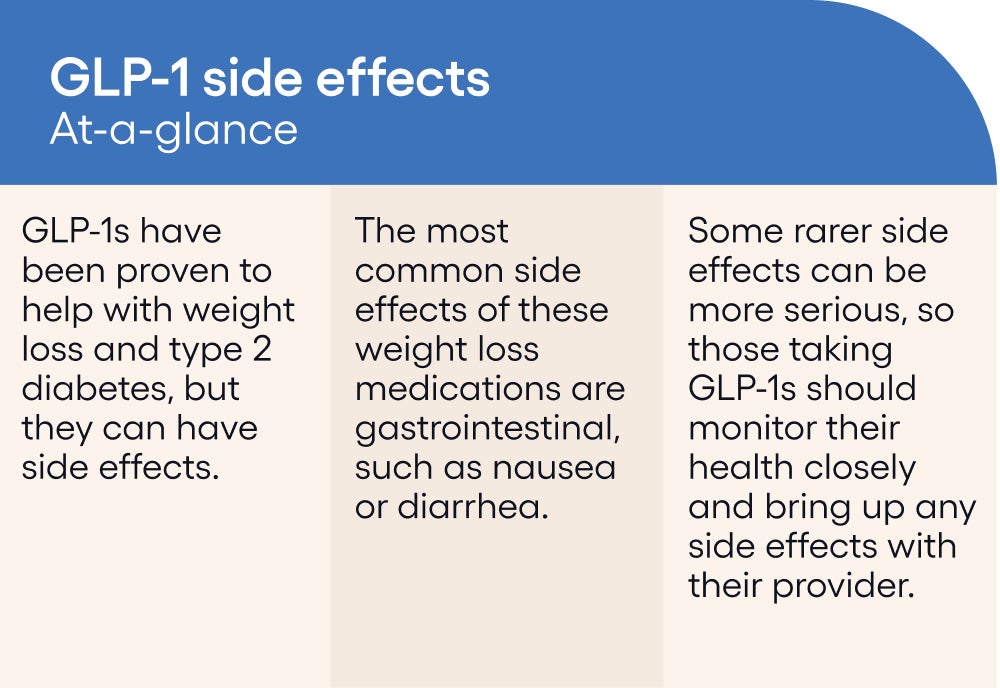
How GLP-1 medications work
GLP-1s are FDA-approved type 2 diabetes and weight-loss medications that mimic a naturally occurring gut hormone (or, in some cases, two gut hormones) your body produces when you eat. They are prescribed under different names depending on their approved use. GLP-1s approved for diabetes include Mounjaro (tirzepatide), Ozempic (semaglutide), Rybelsus (oral semaglutide), Trulicity (dulaglutide), and Victoza (liraglutide). Those approved for weight loss include Zepbound (tirzepatide), Wegovy (semaglutide), and Saxenda (liraglutide).
They work in your body in a few different ways. One is that when glucose levels are high, they trigger the pancreas to release insulin and suppress glucagon, which helps lower your blood sugar levels. In addition, they delay gastric emptying and target hunger receptors in the brain, keeping you feeling fuller for longer. But because food is staying in your stomach and digestive system for an extended period of time and the impact on certain receptors in the brain, it raises your risk for the most common gastrointestinal GLP-1 side effects, like nausea, vomiting, diarrhea, and constipation.
Common GLP-1 side effects
The most common GLP-1 side effects tend to occur when you first start taking the medication or when there is a prescribed increase in your dose. They tend to be relatively short-lived for many people, but if they don’t improve over time or are starting to affect quality of life, make sure to talk to your doctor or clinician about what’s going on. And for the full list of side effects, look at the package insert that comes with your medication (find those here for Zepbound, Mounjaro, Wegovy, and Ozempic).
Gastrointestinal side effects
For those who experience side effects, most people will feel them along the digestive tract. These include: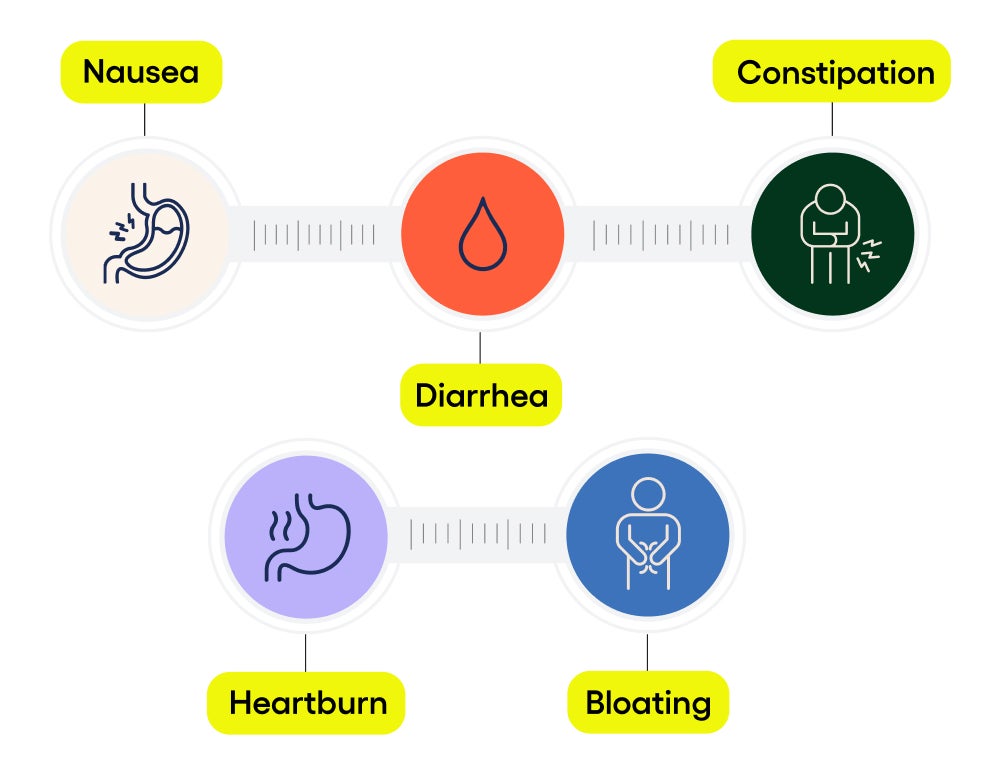
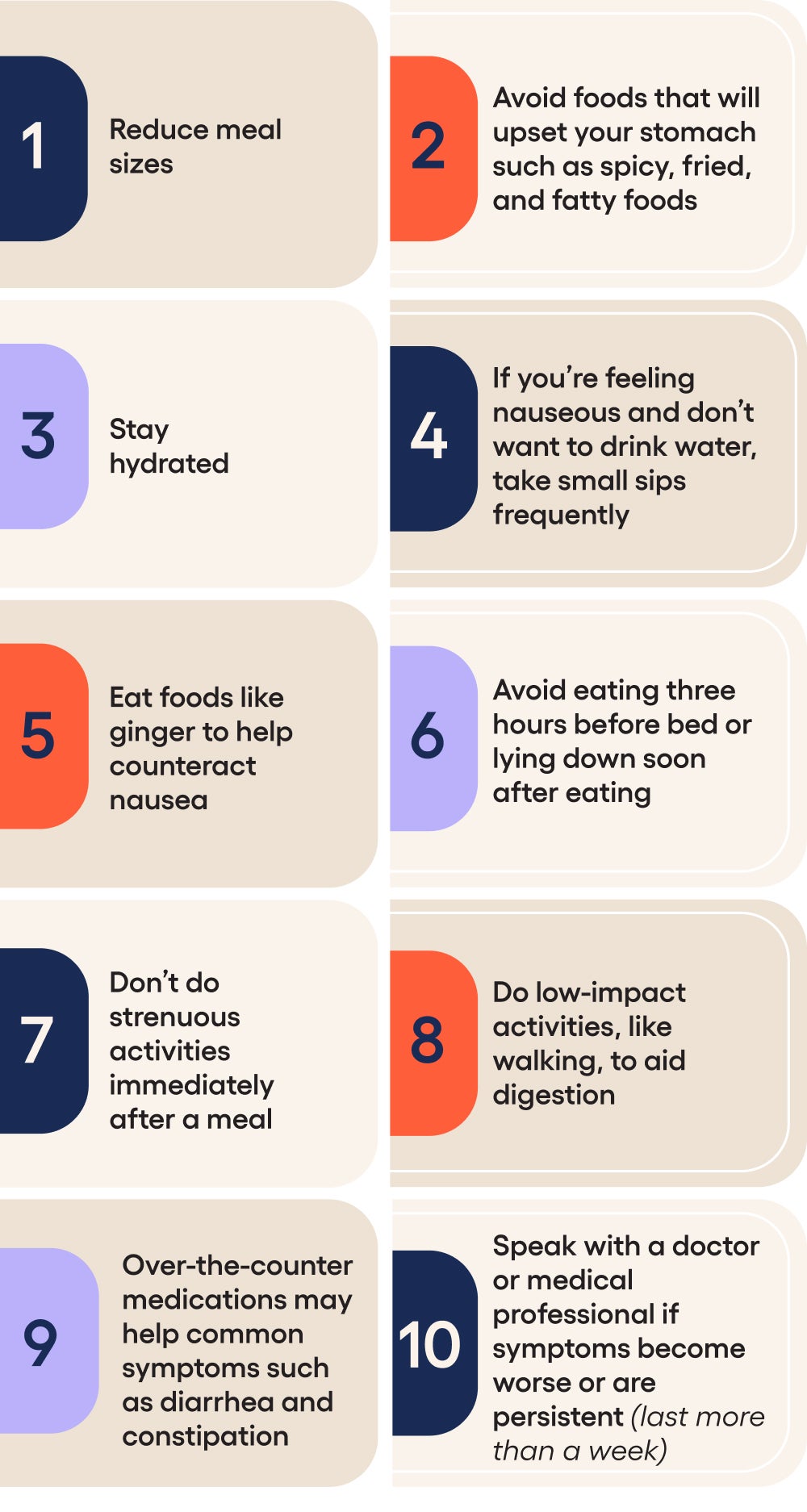
There are things you can do to help manage the side effects:
Eat smaller meals and eat more slowly.
Reduce foods that upset your stomach, which can include spicy and fatty foods as well as coffee and alcohol.
Stay hydrated to help keep things moving through your system.
Try to eat foods that can help with nausea, such as ginger.
Avoiding eating too close to bedtime.
Talk to your doctor about over-the-counter anti-diarrheal, laxatives, or anti-nausea medications, depending on what side effects you’re experiencing.
Headache & fatigue
While headaches are not as common as other symptoms, some people do report experiencing them. This may be due to the medication directly, or as a result of other side effects like vomiting, which can lead to dehydration. Drinking plenty of fluids here is key, as is keeping your blood sugar levels stable by eating nutritious foods with fiber and protein. Headache medication might help with the pain, but speak to a medical professional beforehand to ensure it is safe to take with a GLP-1 medication.
Fatigue is another potential side effect of taking a GLP-1. It can be brought on by not eating enough food or drinking enough water, electrolyte abnormalities if you are vomiting or have diarrhea, nutritional deficiencies, and hypoglycemia if you’re taking other medications that can lower blood sugar. Like most side effects of weight-loss medications, it may pass with time, but it can be a sign of more significant issues — such as kidney complications. If you’re fatigued, ensure you’re getting enough sleep and that you’re eating throughout the day. Contact your doctor if it persists or if you have existing kidney issues.
“Sulfur burps”
Sulfur burps, which taste like rotten eggs, can occur in individuals who are using a GLP-1. Because the drugs slow down digestion, food can ferment in the stomach, leading to a build up of hydrogen sulfide. This is what creates the recognizable sulfur/rotten-egg smell. Fortunately, this is manageable. If this is happening to you, try to avoid sulfur-rich foods like broccoli, cabbage, eggs, and garlic. Also drink plenty of fluids and eat smaller meals than usual. Sulfur burps may also be caused by an underlying GERD issue, in which case limiting acidic foods, spicy foods, and alcohol as well as remaining upright for two to three hours after eating can help.
Cosmetic and hair changes with GLP-1s
While you might think GLP-1s only lead to positive changes to your appearance, there is the potential for unexpected negative side effects that could affect how you look.
“Ozempic face”
Rapidly reducing the amount of fat in your face, as can happen when taking a GLP-1, can cause changes to your appearance often referred to as “Ozempic face.” You might notice changes such as: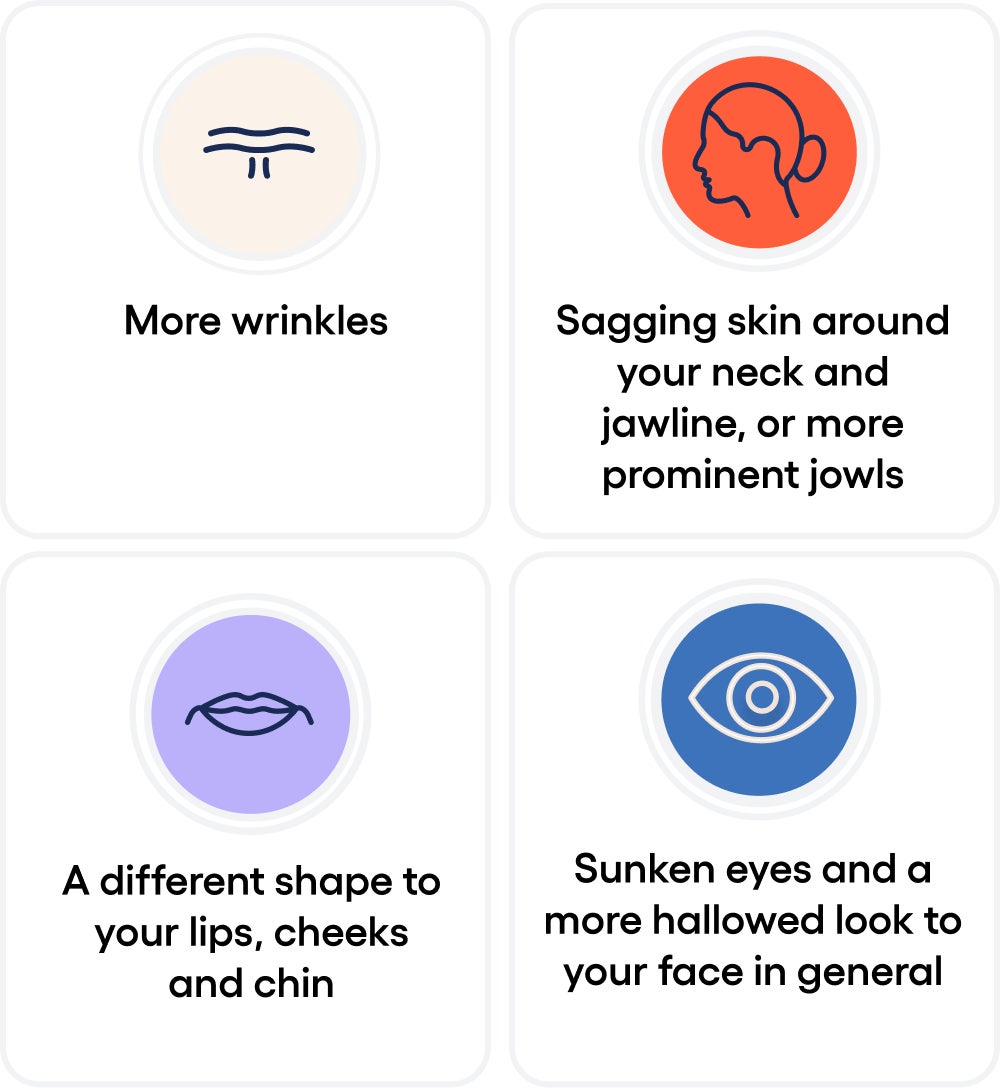
Reducing your weight slowly can reduce the likelihood of these facial changes happening. This can be tough when you’re on a GLP-1, so have regular check-ins with your doctor and make sure you’re on the right dose. You may also benefit from making sure you hit your daily targets for protein and water intake.
Hair shedding
Hair loss can be an undesirable side effect of weight-loss medications. While the exact cause is unknown, it could be blamed on the fact that losing weight rapidly can cause something known as metabolic stress. That, combined with possible nutritional deficiencies from eating less, could lead to shedding.
Talk to your doctor if you notice an increase in hair loss.
Rarer-yet-serious GLP-1 risks
While rarer than the above side effects, there are some serious issues that could arise if you’re taking a GLP-1. For instance, there is a “black box” warning, the most serious kind from the FDA, on both medications for the risk of a certain rare type of thyroid cancer. While important to know about, this warning is based on animal studies and the link has not been found in humans. Here are some others:
Pancreatitis
Pancreatitis is the inflammation or swelling of the pancreas and can, on rare occasions, potentially be triggered by GLP-1 drugs like Ozempic. It’s more likely to occur if you have a history of pancreatitis or drink alcohol. Common symptoms of pancreatitis include: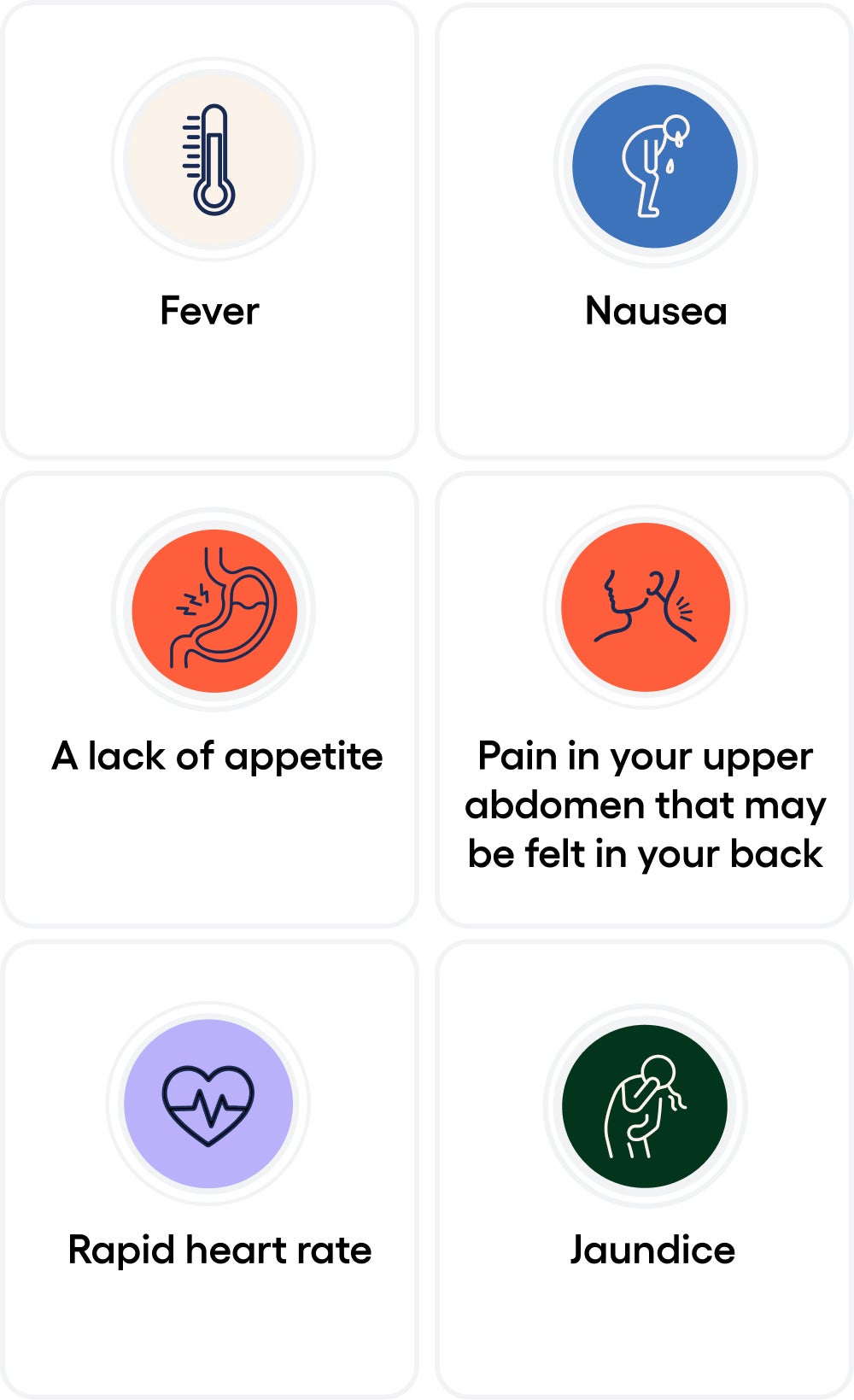
If you’re experiencing these symptoms you should seek medical help as soon as possible.
Vision changes
GLP-1s can affect the vision in several ways, including worsening vision in some cases due to rapid blood sugar correction or insufficient blood flow to the optic nerve. If you find your vision changes, you should stop taking the medication and contact a medical professional as soon as possible.
Gastroparesis
Gastroparesis, or stomach paralysis, is when your stomach stops the movement of food from your stomach to your intestines, despite no obvious obstruction. This can make you feel full for far longer than you would normally be after eating, and can lead to nausea and vomiting.
If not addressed, stomach paralysis may lead to malnutrition, dehydration, and blood sugar complications. It is a serious issue, so talk with your provider if you feel full right after you start eating, or have chronic nausea, vomiting, heartburn, or pain in your upper abdomen.
How long do GLP-1 side effects last?
The most common time to experience side effects is when you first start taking a GLP-1 or when there is a prescribed increase in your dose. Once you settle in at your maintenance dose, gastrointestinal side effects should improve and ultimately go away (although for some people, you may feel mild side effects the day after you give yourself the injection). You don’t need to suffer through your side effects, so make sure to talk to your doctor if they aren’t improving or are moderate-to-severe. Your WeightWatchers Clinic care team will also be able to help coach you through dose increases to help minimize the potential for side effects.
10 ways to prevent or lessen GLP-1 side effects
Who should avoid or use caution with GLP-1s?
There are several reasons your doctor might recommend you avoid GLP-1s. This could be due to existing medical reasons or a history of illness with your family. If you have any of the following, make sure to talk about it with your doctor:
A history of pancreatitis
Severe gastrointestinal diseases
You are pregnant or breastfeeding
A personal or family history of medullary thyroid cancer or multiple endocrine neoplasia
If you’re undergoing surgery, you may need to stop taking GLP-1 beforehand. Talk with your doctor ahead of time to find out what they recommend.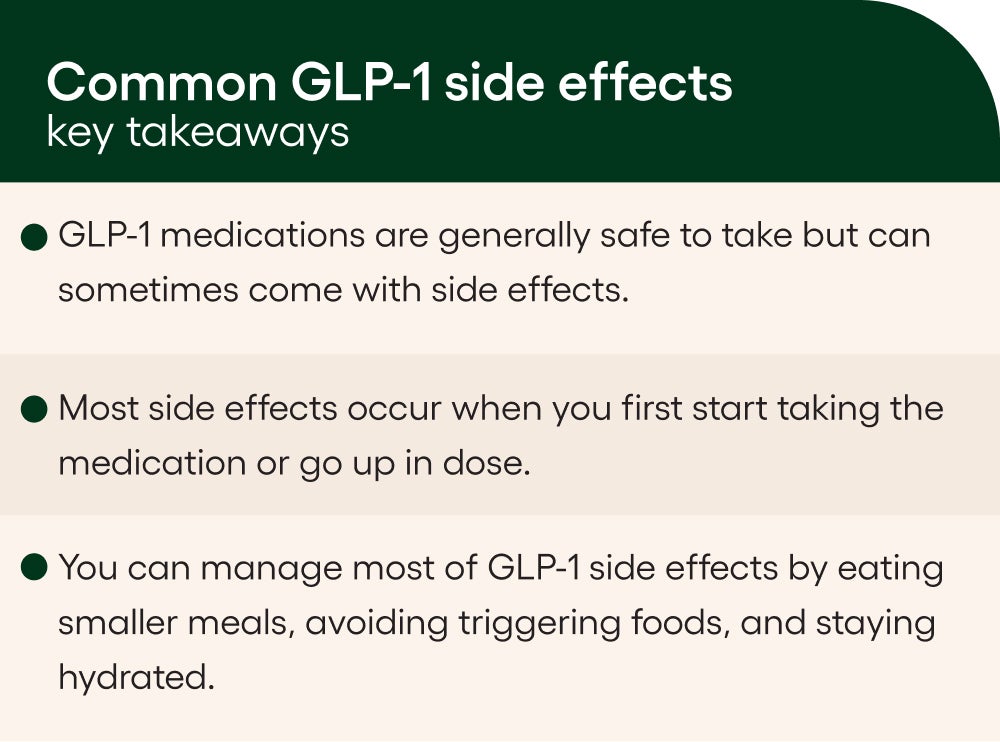
Get support
If you need support with your weight loss journey, you can get help from WeightWatchers. Join WeightWatchers Clinic and get help and advice on weight-loss medication. If you’re using a GLP-1 as part of your plan, you can get support with side effects and tips on how to develop sustainable habits with our GLP-1 Companion Program.
Alternatively, if you have diabetes, we also have tailored plans to help you manage your experience with GLP-1 drugs.