Hungover? How to eat to feel better
Having one too many last night doesn’t mean you have to fill yourself with junk food the day after. Here’s what to do to feel better.
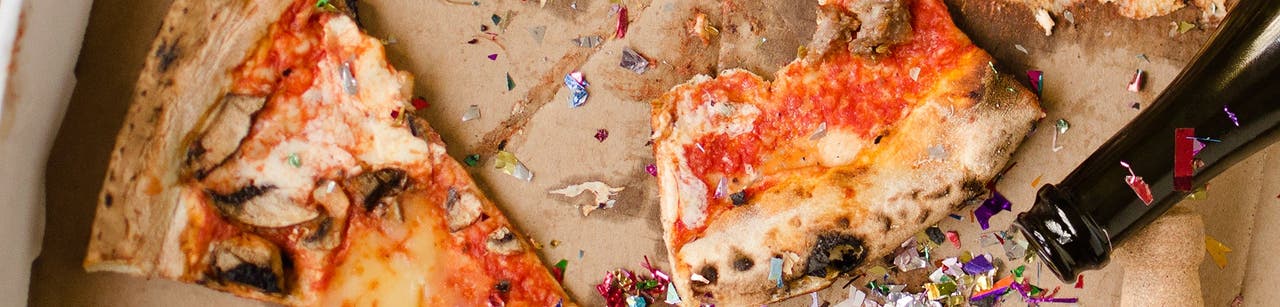
A fun-filled night (with that Nth glass of wine) can be followed with a painful morning, complete with a pounding headache and desire to eat salty chips, sweet pastries, and greasy pizza.
It’s all about how alcohol interacts with your body. It stimulates brain chemicals called opiate receptors, which may prompt urges for more alcohol, sugar, gluten, preservatives, and/or caffeine, says Keith Kantor, Ph.D., CEO and founder of Nutritional Addiction Mitigation Eating & Drinking. And this continues the following day.
Fortunately, there are ways to feel better. Start here.
Wake Up, Drink Water
“Rehydrating immediately when you wake up is an important first step in starting to feel better,” says Alison Massey, R.D., director of diabetes education at Mercy Medical Center in Baltimore, MD. The more alcohol you drink, the more dehydrated you may be the next day, Kantor says, so you want to get your system back to normal ASAP. Dehydration may also make you lethargic, so you may gravitate towards food that delivers quick energy, like cupcakes or sugary coffees. Make eight glasses of water your goal, and start early.
Start the Detoxifying Process
Alcohol potentially stops the production of feel-good chemicals like melatonin and serotonin, explains Kantor. So when you wake up, you’re depleted of hormones that boost your mood. While processed sugars and caffeine might light up your brain’s reward center in the short term, you’re just feeding a negative cycle. The fix is to detoxify — which may help restart the flow of those happy brain chemicals. Instead of reaching for a carb-heavy bagel low in nutrients, try a Greek yogurt topped with mixed berries, which will bring on some healthy antioxidants. Omelets more your thing? Kantor suggests adding raw spinach and kale to restock your body with what it needs.
Pass on Acidic Foods
Alcohol is highly acidic, which may cause inflammation throughout your body — especially your stomach lining, explains Kantor. One avenue to restoring your body’s balance and feeling less nauseous? Avoid potentially inflammatory foods like sugar, OJ, processed meats, coffee, and salt. Stock up, instead, on eggs, soy products, and vegetables. Conveniently, these low-acid foods are also high in protein and micronutrients.
Don’t Make the Morning After a “Splurge” Time
We may be more likely to eat unhealthier food when it’s socially acceptable, says Julia M. Hormes, Ph.D., an assistant professor of psychology at the University of Albany. Being hungover might be one of those times. She suggests trying to retrain your brain. Only have French toast soaked in syrup when you’re in bed after a long night out? Understand that you want it because it gives you comfort, not because your body needs it. Immediately fix yourself something healthier (or have a partner or roomie do it for you) instead. Defuse the emotional charge associated with French toast and it potentially becomes less desirable, she says.
Have a Peak at Dessert
If you want something sweet, go ahead, but make it a small part of a healthy meal. “There's a psychological phenomenon called the peak-end rule,” says Hormes. “When applied to food, it shows that the high point and last bite are usually what we really remember. Everything in between is just filler.” Translation: Eating a hearty salad while treating one or two bites of pie as your “peak” at the end may feel just as good as having an entire slice or two.