Menopause and acne: why it happens and how to treat it
Menopause can throw everything into chaos — including your skin. Learn more about what causes midlife breakouts and how you can get rid of them.
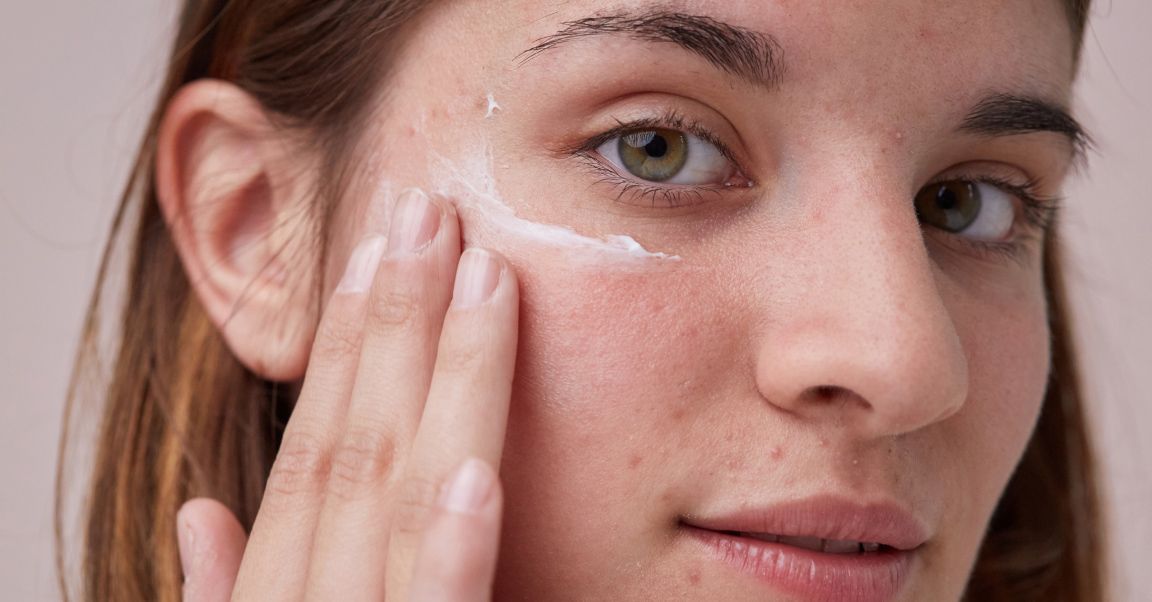
You might have thought you’d waved goodbye to pimples years ago, or perhaps you were lucky enough to dodge hormonal breakouts in your teens. But perimenopause can bring on acne, whether or not you struggled with it in the past. And treatments that used to work may cause irritation now, since midlife skin tends to be thinner and more sensitive.
As your hormones change in midlife, your skin can have new, different needs in terms of treating zits, sensitivity, dryness, and moisture. That said, there are safe, effective over-the-counter or prescription options, and your skincare routine can make a big difference.
Read on to learn more about perimenopause acne, plus the different treatments.
What is perimenopause‑related acne?
Perimenopause-related acne is a skin condition that causes pimples and breakouts as a result of hormonal fluctuations during perimenopause. For many people, acne is associated with the teenage years, but the skin condition can happen in midlife due to hormonal shifts that disrupt the skin and trigger breakouts. Perimenopause acne typically appears along the lower face, jawline, and chin. Spots may feel deeper under the skin, take longer to heal, and be more complex to treat compared to teenage acne. Midlife skin is also often drier, thinner, and more sensitive due to declining estrogen levels — while still producing excess oil. This combination can make breakouts feel particularly frustrating, as skin may feel dry or tight in some areas while congested in others.
Note that not all adult breakouts are necessarily caused by acne. Conditions such as rosacea, perioral dermatitis, or other inflammatory skin concerns can take a similar form. It’s recommended that you consult your doctor for an accurate diagnosis.
Common acne patterns in midlife
Perimenopause acne tends to present less predictable patterns than teenage acne. Skin breakouts can:
Be persistent, with pimples lingering for weeks
Be recurrent, with pimples clearing then flaring again over time
Appear to worsen during periods of stress or poor sleep
Some women experience acne with deep, painful lesions, sometimes deemed menopause acne cysts. It’s normal for acne patterns to change as hormone levels continue to fluctuate during perimenopause, so your acne flare-ups may vary from month to month.
Why acne can flare in perimenopause
Most women experience acne flare-ups during their menopausal transition due to changing hormones: specifically, a relative increase in androgen levels compared to declining estrogen, contributing to acne. The transition in hormones also leads to changes in oil production, the skin barrier, and stress levels — all of which can contribute to acne.
Other factors that can worsen breakouts
While hormonal changes are a main contributor to perimenopausal acne, other non-hormonal factors can also play a role in, or worsen, breakouts. Certain skincare, haircare, or cosmetic products might contain ingredients that clog pores or irritate mature skin.
Friction from a headband or wearing a face mask can also lead to irritation by trapping heat, sweat, and oil against the surface of skin, increasing the likelihood of congestion.
Certain medications can also contribute to acne. This may vary from person to person, so it’s best to discuss your skin and the medications you take with a qualified clinician to determine what may be contributing to perimenopause skin problems.
How long does perimenopause acne last?
There’s no set timeframe for how long perimenopause acne lasts because it can vary from person to person, due to a number of factors. While some may experience intermittent flare-ups, others deal with persistent breakouts. The duration and pattern of perimenopause acne breakouts can be impacted by things like:
Ongoing hormonal shifts
Skin type
Stress levels
Skincare habits
Overall health
Because menopause-related acne can change over time, it’s useful to track patterns so you have data to discuss with your clinician. Make note of when breakouts occur, where they appear, and what may trigger them.
Perimenopausal acne treatments
The best treatment for perimenopause acne will vary. Your clinician will be able to suggest the best option for you depending on your specific needs, skin sensitivity, overall health, and goals. Over the course of time, your treatment plan may evolve as your hormonal patterns and skin needs change.
Topical options
Topical therapies (products you put directly on your skin) are the main type of acne treatment. Examples include retinoids, benzoyl peroxide, or azelaic acid. An added benefit is that some topical therapies can also help improve signs of sun-related skin aging, which is a common concern during menopausal years.
Oral treatment options
Some people may need more help with their perimenopause acne than topical treatments can provide. In this case, your clinician may suggest an oral treatment as well, such as hormonal or anti-androgen medications, oral antibiotics, or other systemic therapies.
Procedure options
These can include techniques done at a dermatologist’s office, such as chemical peels, light-based treatments, or laser therapies, particularly when acne is persistent or accompanied by textural changes in the skin, or scarring following inflammation. Your clinician will be able to help you determine if this is a suitable treatment for your menopause acne.
Day‑to‑day skincare
Everyday skincare is your base for managing menopause-related acne, but for most people, it won’t entirely treat the issue on its own. Use a gentle cleanser and don’t over-scrub, which can further weaken the skin barrier. Use over-the-counter “non-comedogenic” moisturizers and a daily sunscreen to protect the skin while reducing the risk of clogged pores.
To manage perimenopause acne, a basic framework of cleanse, treat, moisturize, and protect is usually best. Be consistent with your routine and the products you use. Avoid switching products frequently unless necessary due to changes in your skin’s needs. When using new products, introduce them into your skincare routine one at a time to minimize irritation and make it easier to identify any product that doesn’t agree with your skin.
You may find it useful to keep a brief skin log to note down the products you use and any breakouts that occur. This way you can track your progress and identify any potential irritants or triggers to discuss with your clinician.
When to see a doctor
When dealing with perimenopause acne and pimples, you should pay close attention to your skin and any flare ups that occur. If breakouts are sudden and severe, and come with painful nodules, marks, or scarring, consult a doctor. That’s recommended because some skin conditions can look like acne but require a different approach for treatment. For example, conditions such as rosacea, folliculitis, or other inflammatory skin concerns can cause bumps or redness that you may mistake for acne. A qualified healthcare professional will be able to help you determine what’s happening with your skin and treat it.
Questions to bring to your appointment
To make the most of your clinician appointment, it can be helpful for you to prepare so you can get the most out of your appointment.
Bring with you a list including:
Your top goal, such as reducing breakouts, preventing scarring, or improving overall skin comfort
What you’ve already tried, including skincare products, over-the-counter treatments, or past prescriptions
Any skin sensitivities or reactions you’ve noticed
Other medications or supplements you’re currently taking
Whether you should consider or avoid hormonal options, such as HRT or contraception, if relevant to you
Lifestyle strategies that can support skin during midlife
To help your skin throughout your midlife stage, there are a few lifestyle strategies you can try. Prioritizing key lifestyle factors like sleep, exercise, eating a balanced diet, and stress management can impact how your skin feels and behaves, particularly during periods of hormonal change.
Remember, everyone’s body is different, so it’s important to find a strategy that works best for you by working with a clinician.
The bottom line
Perimenopause pimples are common, even for women who haven’t experienced acne before. Dealing with hormonal skin breakouts can be difficult at times, but you can find comfort in the fact that once you find a skincare plan for your specific needs, it can become more manageable.
The first step is getting an official diagnosis from a qualified clinician to rule out other conditions that can cause breakouts. You can then discuss treatment options to find what works best for you. It’s also normal to need to keep adjusting your plan throughout menopause, as your skin’s needs change.
With the right support and realistic expectations, it’s possible to navigate perimenopause acne in a way that supports both skin health and overall well-being.