A 7-day GLP-1 meal plan
Not sure what to eat on a GLP-1? We got you. Here’s a full week of protein- and fiber-rich meals and snacks, along with easy swaps if you have days when nausea hits or your appetite dips.
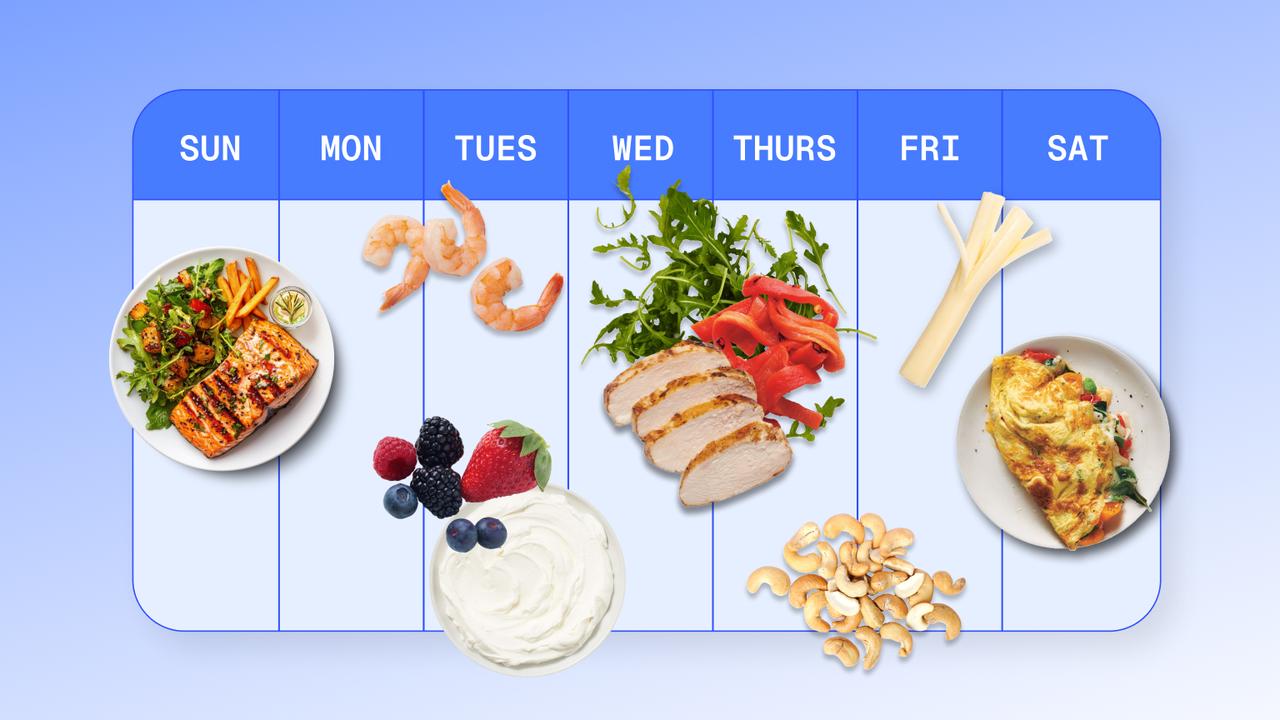
When you’re taking a GLP-1 medication like Wegovy, Zepbound, or Foundayo (orforglipron), you’ll likely notice less of an appetite — and that’s one of the primary ways they support weight loss. When you’re eating less, though, what you’re eating matters more than ever. “When you have a decreased appetite, like on a GLP-1, every bite has to work harder,” says Chelsey Amer, M.S., RDN, CDN, a registered dietitian in Long Island, New York. “Maximizing your intake of nutrient-rich foods is essential.”
A healthy, balanced GLP-1 eating plan prioritizes protein- and fiber-rich foods along with healthy fats and plenty of fluids to meet your body’s nutrition needs. Ticking all these boxes can be tricky, though, especially when you’re eating less. That’s where the following GLP-1 meal plan comes in. It takes the guesswork out of what to eat, offering you seven days of nutrient-packed, easy-to-tolerate meals — and it happens to pair perfectly with our GLP-1 grocery list.
Key takeaways
On a GLP-1 you eat less, so you need to be a little more thoughtful with your meals to make sure you’re getting the nutrients you need.
Each meal should contain protein to protect muscle and fiber to help keep you full and regular.
This 7-day plan keeps meals small, simple, and gentle on the stomach — with swaps for days when you’re nauseous or have no appetite.
Hydration is part of the plan. Aim for steady fluids through the day to improve GI discomfort.
Use the meal plan as a starting template and adjust portions to your appetite and to follow your clinician’s guidance.
How this GLP-1 meal plan works
What you’ll eat
Each day in this plan follows the same framework:
High-protein foods at every meal and most snacks. With smaller meals, protein needs to be the priority so you can preserve muscle while you lose weight.
Adequate fiber for fullness and regularity. Be sure to increase your fiber slowly, gradually, and with fluid so you don’t feel bloated or gassy.
Small portions, eaten slowly. Give your body the time to register fullness and hunger cues so you don’t overeat and feel nauseous.
A focus on hydration. Drink plenty of water throughout the day to help with constipation.
Gentler foods for tough days. On a GLP-1, you don’t always feel great or are that interested in food, so you’ll find swaps for eating on low-appetite days.
What to keep in mind
The following plan is a template, not a prescription. These guidelines are key:
Adjust portions to your appetite. Hunger and fullness vary from person to person and from day to day, but in general, when you’re taking a GLP-1, you’re going to feel full a lot sooner than you used to. Listen to your body and don’t feel the need to push it. Amer recommends pausing halfway through your meal and asking yourself: “Am I still hungry? Would a few more bites still feel comfortable?” Over time, she says, you’ll learn your body’s specific fullness cues on the medication.
Find a meal pattern that works for you. There’s not a specific number of meals and snacks that you need to eat on a GLP-1. In general, this meal plan suggests three meals and one snack, but Meghan Cowan, RDN, LDN, a registered dietitian nutritionist and nutrition program lead at Weight Watchers, emphasizes that consistency and getting adequate nutrition matter much more than following a rigid eating schedule. If you’re experiencing side effects, smaller, more frequent meals may feel better.
Prioritize protein. You’re probably tired of hearing about it, but it bears repeating. Protein helps preserve lean muscle mass during weight loss, which is especially important when you’re consuming less overall on a GLP-1. Protein needs vary based on body weight, age, activity level, and other factors, but those losing weight should generally aim for a minimum of 1 gram of protein per kilogram of body weight per day.
Don’t force it on hard days. If you’re struggling with nausea or fullness, it’s okay to eat less than planned.
Talk to your clinician or registered dietitian about your specific needs. They can guide you on what your protein, fiber, and hydration targets should be.
The 7-day GLP-1 meal plan
Looking for something to inspire you? Here are seven days of meals and snacks, with tons of protein and fiber built in.
Day 1
Breakfast
Lunch
Dinner
Snack
Day 2
Breakfast
Lunch
Dinner
Snack
Day 3
Breakfast
Lunch
Dinner
Snack
Day 4
Breakfast
Lunch
Dinner
Snack
Day 5
Breakfast
Lunch
Dinner
Snack
Day 6
Breakfast
Lunch
Dinner
Snack
Day 7
Breakfast
Lunch
Dinner
Snack
Want even more meal inspo? Check out our GLP-1 cookbook for 18 protein-packed recipes.
Nausea & low-appetite day swaps
Some days won’t go as planned on a GLP-1, and that’s completely normal. The goal is to flex the meal plan instead of abandoning it completely.
When you’re feeling nauseous as a side effect of the medication, Cowan recommends shifting toward blander, low-fat, lower fiber foods and smaller, more frequent meals. These mini meals can include items from each category:
Protein
Boiled or baked chicken
Hard-boiled eggs
Low-fat cottage cheese
Plain nonfat Greek yogurt or plain soy yogurt
Protein smoothies
String cheese
Tofu or tempeh
Carbohydrates
Crackers
Dry toast
Oatmeal
Plain pasta
Potatoes
Pretzels
Rice
Fruits and vegetables
Applesauce
Bananas
Carrots (well-cooked)
Spinach
Zucchini
Fluids
Clear broth
Electrolyte drinks
Ginger or lemon tea
Water
9 ways to eat enough when you’re not hungry or nauseous
If your appetite is low or you feel nauseous (common side effects of GLP-1s due to their impact on your digestion), it’s still important to get in your nutrition. Cowan recommends these nine strategies:
Eat protein first at meals. That way you can meet your protein needs before you get too full.
Choose leaner proteins. Fish, skinless poultry, low-fat dairy, eggs, tofu, tempeh, and protein shakes all count.
Swap in lower-fiber grains. If whole grains are contributing to early fullness, instant oats, white rice, regular pasta, or soft white bread may be easier to tolerate.
Choose cooked vegetables over raw. Soft, ripe, skinless fruits such as bananas, watermelon, pineapple, grapes, or oranges may be easier to eat than other fruits.
Use softer forms of higher-fiber foods. Try soups, smoothies, hummus, and fat-free refried beans when whole or raw versions feel like too much.
Eat smaller amounts more often. Aim for 4 to 6 snacks or small meals a day, as needed.
Eat slowly and chew thoroughly. Taking your time can make small amounts of food easier to tolerate and reduce your risk of feeling any digestive discomfort.
Limit large amounts of fluid with meals. Also skip carbonated beverages, since both can make you feel full faster and leave less room for food.
Use liquid nutrition when needed. Protein shakes or protein-fortified water can help meet protein needs when solid food isn't appealing.
Snacks and protein boosters
When you’re on a GLP-1, you want to make sure your snacks are just as nutrient-dense and full of protein as your meals. Here are a few easy, quick options that supply about 10 to 20 grams of protein per serving:
Plain nonfat Greek yogurt or plain soy yogurt
Low-fat cottage cheese
Edamame
Jerky
Hard-boiled eggs
String cheese with fruit
Protein shakes
Make it easier with Weight Watchers
Following a 7-day meal plan is a strong starting point, but sticking with it week-after-week is easier with support. In addition to access to GLP-1s, the Weight Watchers Med+ Program offers access to a nutrition and lifestyle program built just for GLP-1s: the GLP-1 Success Program. Right in the WW app, you can track protein, fiber, and other key nutrients to make sure you’re meeting your body’s needs. To get tips and stay motivated, you can hop into a virtual Workshop with other WW GLP-1 users, led by expert coaches. And with 12k+ healthy recipes at your fingertips, you’ll never be out of ideas for what to cook tonight. This all-around support is why 85% of GLP-1 Success members say Weight Watchers’ nutritional guidance helps them stay on track while taking a GLP-1*.
The bottom line
A balanced GLP-1 diet comes down to a few fundamentals: protein first, fiber for fullness and regularity, consistent hydration, and food that’s gentle on your stomach. But within that framework is a lot of flexibility. You can enjoy fajita bowls, chocolate smoothies, shrimp stir-fries, and more. Use the above 7-day plan as a template and flex it to your appetite. And whatever you eat, track it in the WW app to work towards your personalized protein and fiber targets.