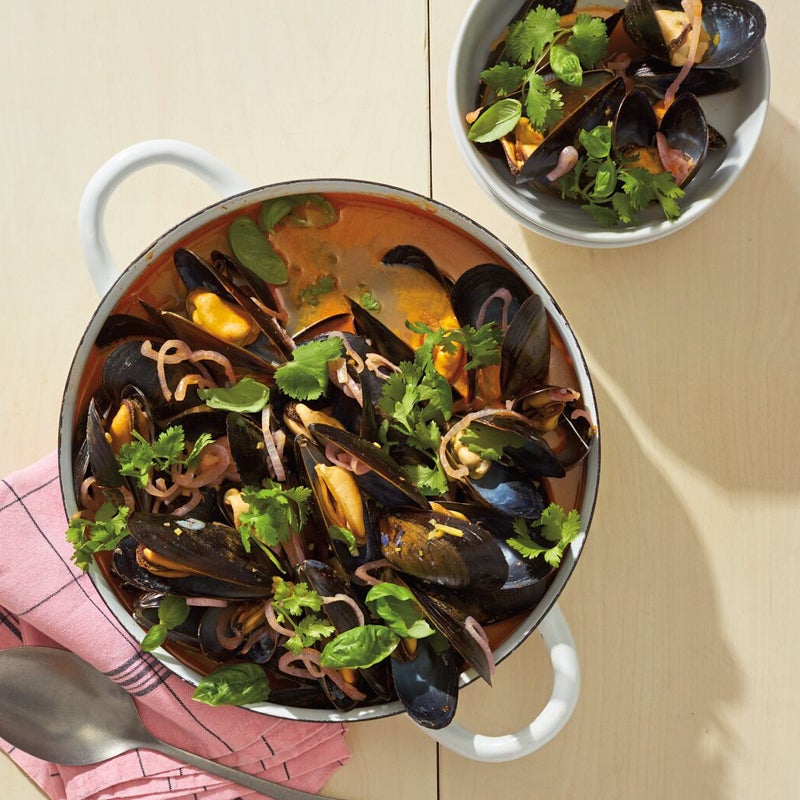
ZeroPoint cheat sheet: fish & shellfish
All your top questions about fish and shellfish, answered

In this article:
- 1/ What’s included in this category exactly?
- 2/ Why are fish and shellfish ZeroPoint foods?
- 3/ Wait, even canned fish?
- 4/ Does it matter if the fish is fresh or frozen?
- 5/ What about imitation fish products such as surimi or “crab” stick?
- 6/ I love seafood, but cooking it can seem intimidating. How best to approach?
- 7/ How do I avoid overcooking seafood?
- 8/ Some of Our Fave Seafood Recipes
While “zero” usually means “nothing,” at WeightWatchers®, ZeroPoint® foods are everything! Wondering how to make the most of fish and shellfish? We’ve got lots of helpful tips and info below.
What’s included in this category exactly?
Why are fish and shellfish ZeroPoint foods?
Fish and shellfish—collectively known as seafood—are lean sources of protein that are packed with nutrients. On the whole, seafood contains important nutrients such as B vitamins, iron, zinc, and potassium. Some fattier varieties of fish—such as mackerel, tuna, salmon, and sardines—contain vitamins A and D, as well as omega-3 fatty acids that may support heart health.
Wait, even canned fish?
Yup, canned salmon, canned tuna, canned sardines—any canned fish packed in water (not oil) is a ZeroPoint food. Added bonus: Canned fish with bones, such as salmon and sardines, are a rich source of calcium.
Does it matter if the fish is fresh or frozen?
Nope. Fish and shellfish are ZeroPoint foods whether they are fresh or frozen, smoked or canned (in water), wild-caught or farm-raised, or cooked or raw.
What about imitation fish products such as surimi or “crab” stick?
Because they typically contain additives like sugar, starches, and oil, they are not ZeroPoint foods.
I love seafood, but cooking it can seem intimidating. How best to approach?
So many home cooks are intimidated by cooking seafood, but it can actually be one of the easiest ingredients to work with, since it cooks quickly and doesn’t need much zhuzhing. Sometimes all you need is a dash of oil (or cooking spray), a hot skillet/grill/broiler, some fresh lemon juice, and a pinch of salt. But if that still sounds like a bit much, an even easier way to eat more seafood is by keeping a stash of frozen precooked shrimp in the freezer and cans of seafood in your pantry. Crack these open to add quick and convenient protein to pastas, soups, grain bowls, tacos, wraps, and salads.
How do I avoid overcooking seafood?
Again, one of the best and most convenient things about seafood is that it cooks quickly—but that can also lead to overcooking it. Here are some key tips.
When making salmon, farm-raised salmon is often fattier than wild-caught salmon. Fat = moisture. Keep this in mind when going by the cook times in a recipe. If the recipe specifies farm-raised but you’re using wild, you might want to check a minute or two earlier to avoid overcooking and drying out your salmon.
Shellfish like shrimp and scallops will get rubbery when overcooked. Be sure to pat them very dry before seasoning and grilling, searing, broiling, or sautéing so the outside can brown without the inside getting tough.
Some of Our Fave Seafood Recipes
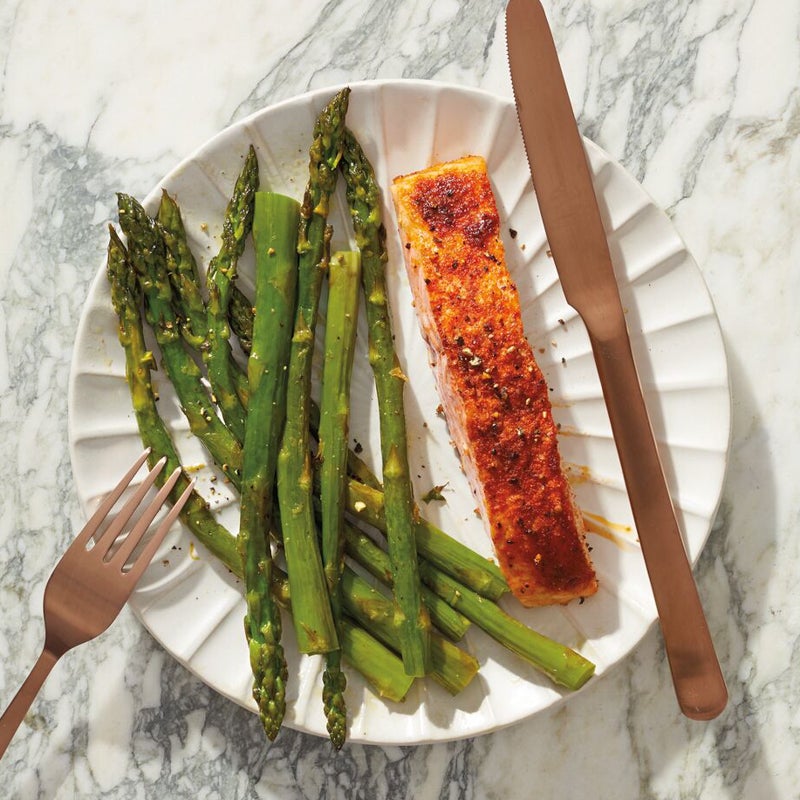

Sheet-Pan Salmon & Asparagus


Grilled Scallop & Shrimp Skewers with Mojo Sauce
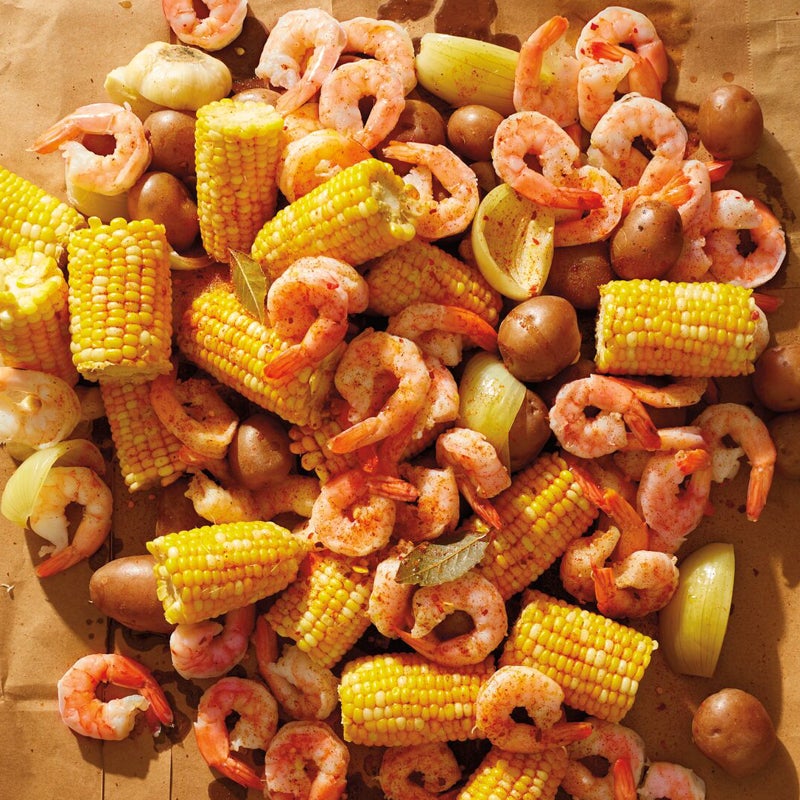

Easy Cajun Shrimp Boil


Miso-glazed cod
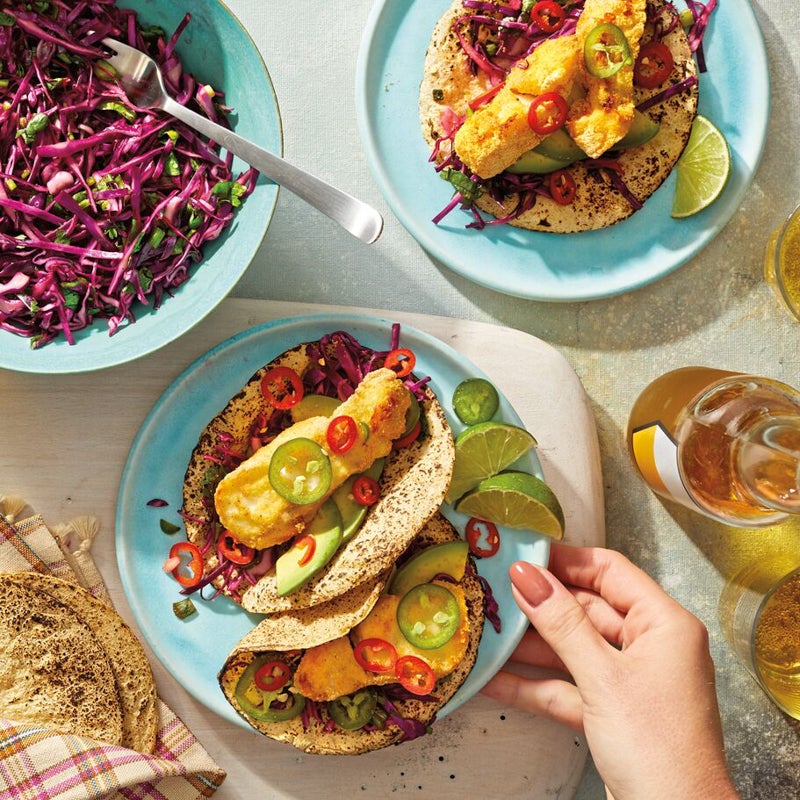

Air-Fried Baja Fish Tacos


Grilled halibut with charred tomatoes, lemons & olives
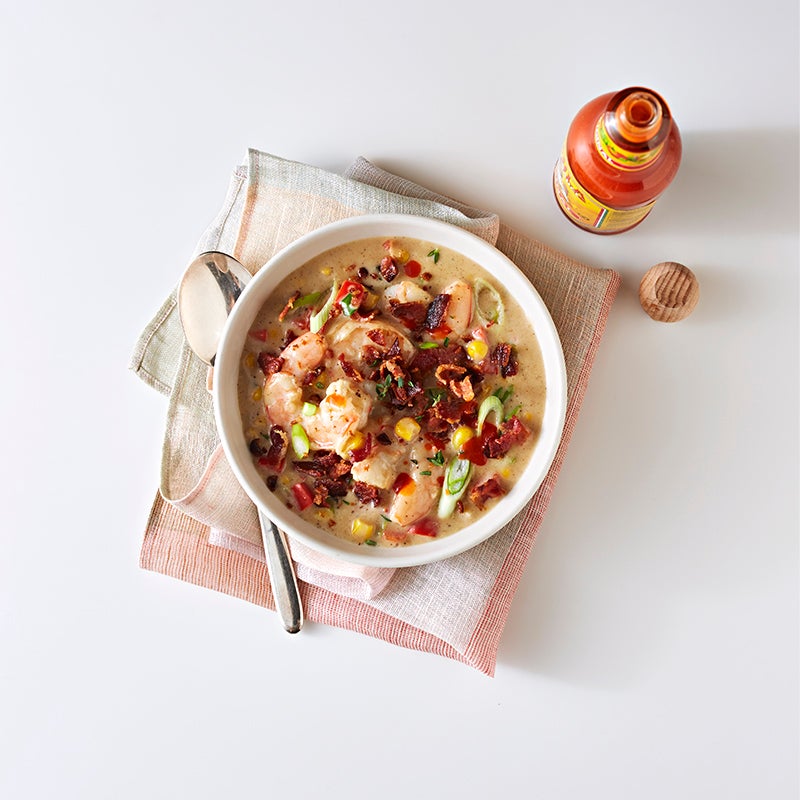

Easy Shrimp Chowder for One
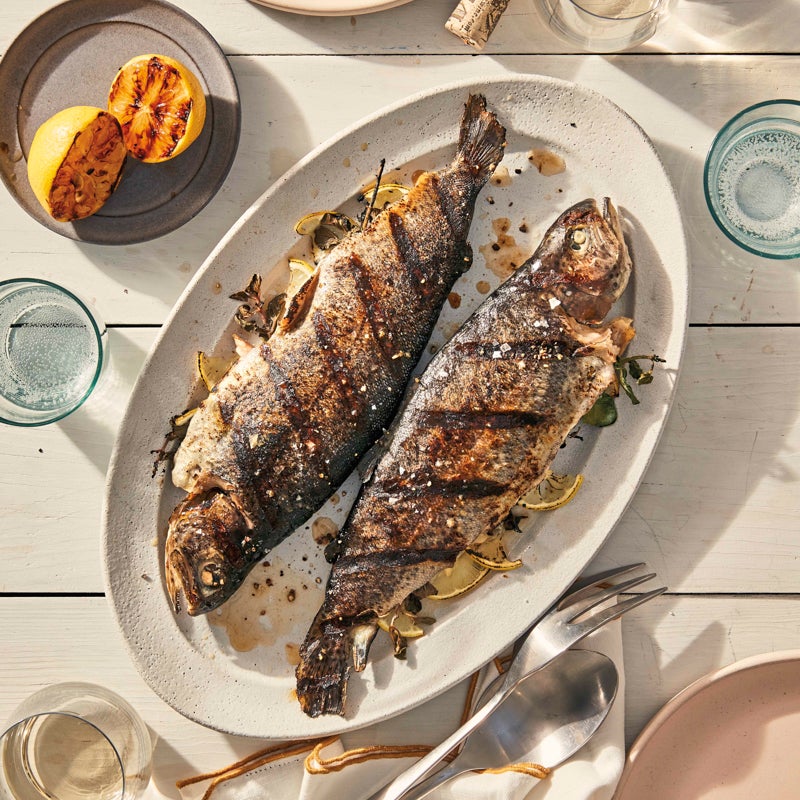

Grilled Lemon-Oregano Stuffed Trout