Broccoli: Benefits, Nutrition Facts, and More
When it comes to nutritious vegetables, broccoli is known to pack a punch. But could eating broccoli provide health benefits beyond nutrition? Read on to find out.

The grown-ups were right: Youshouldeat your broccoli! “The veggie is a nutritional powerhouse,” says Sheena Patel Swanner, a registered dietician-nutritionist and director of nutrition programs at the American Institute of Cancer Research. “It’s loaded with fiber, vitamins, and minerals.”
Broccoli is also part of the cruciferous family of vegetables that contain phytonutrients, compounds that help lower the risk of certain diseases. With so much nutrition packed into these little trees, it’s no wonder that they deliver many health benefits.
Discover why you should add morebroccolito your diet—and then follow our easy tips and recipes for enjoying this nutritiousanddelicious veggie.
Broccoli nutrition facts at a glance
A one-cup serving of raw, choppedbroccolicontains only 31 calories and the following nutrients:
Recipes


Broccoli and cheddar frittata
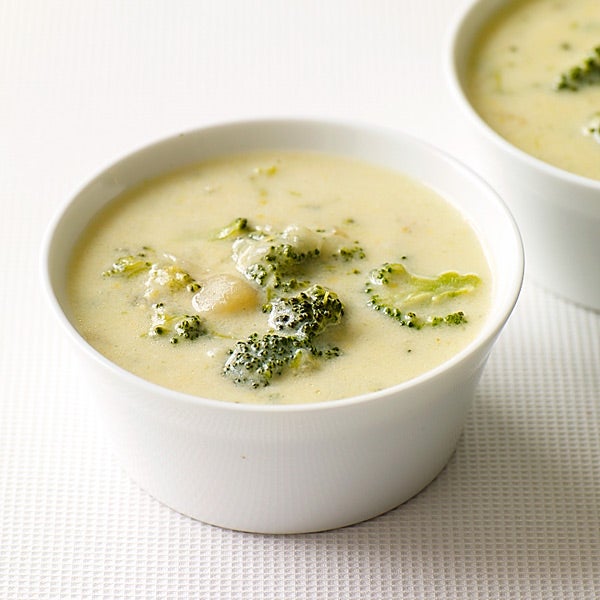

Super-Easy Cream of Broccoli Soup


Broccoli-Cheese Fritters
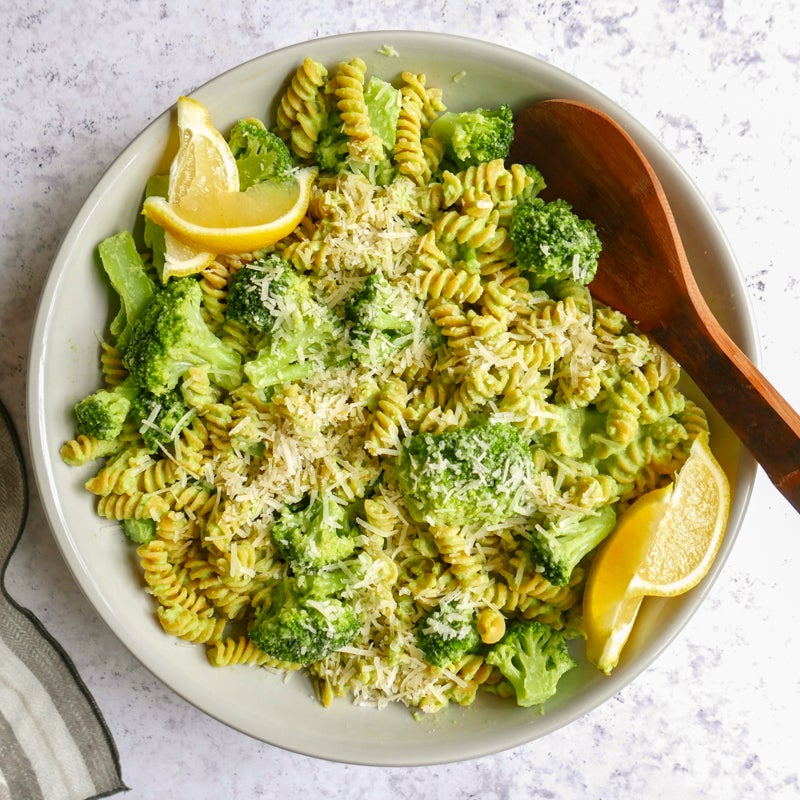

Rotini with Creamy Broccoli Sauce
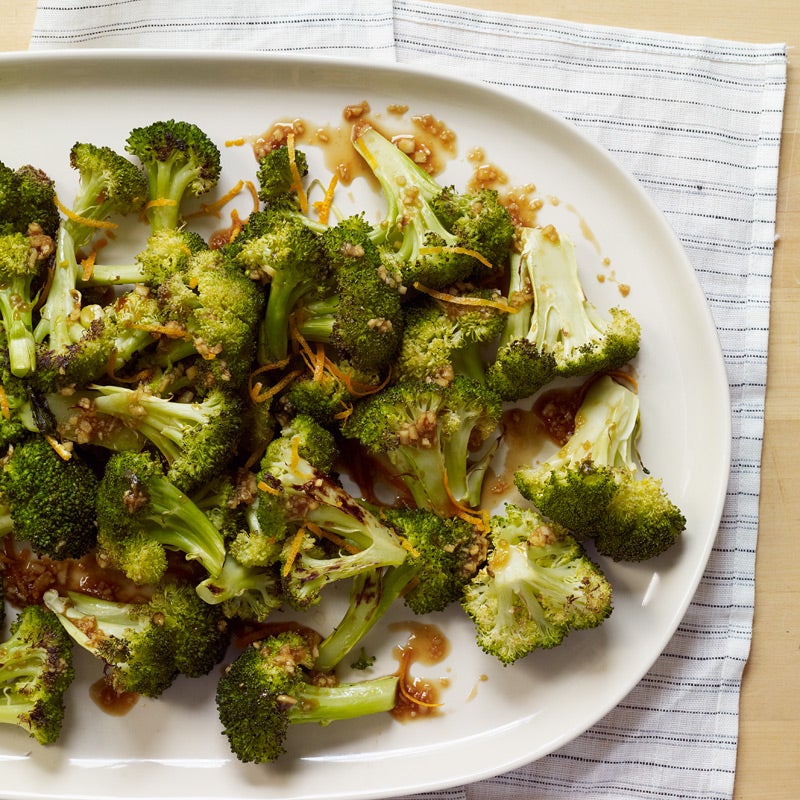

Citrus & Ginger Roasted Broccoli
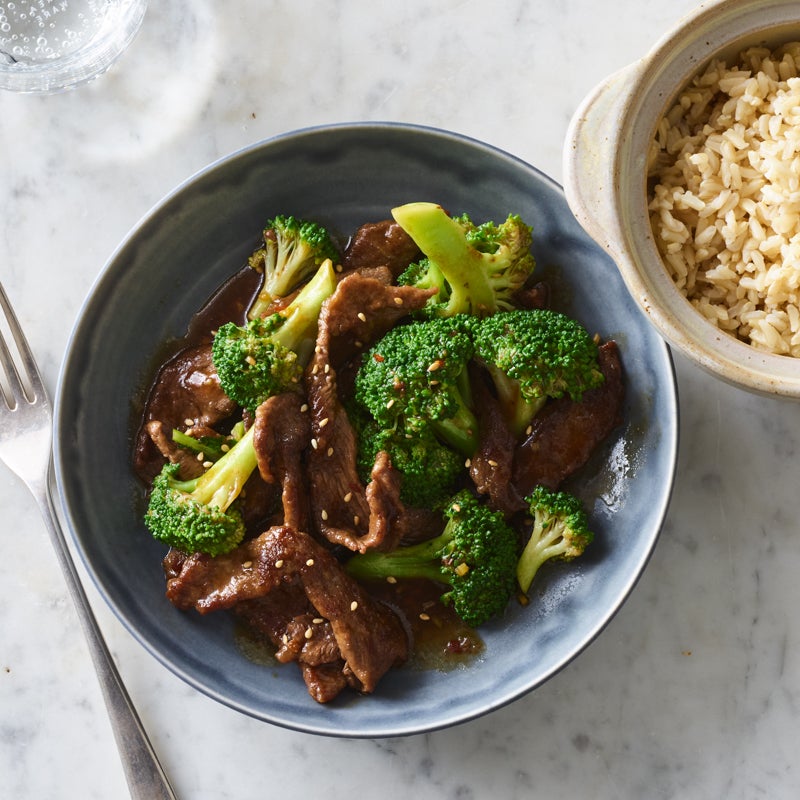

Beef & Broccoli Stir-Fry
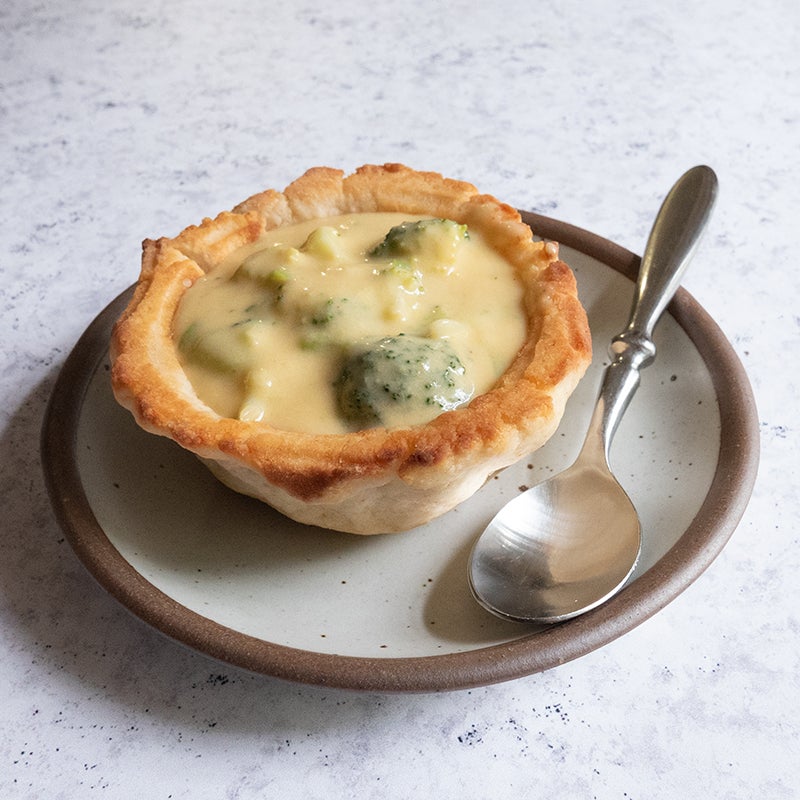

Broccoli-cheese soup in bread bowls
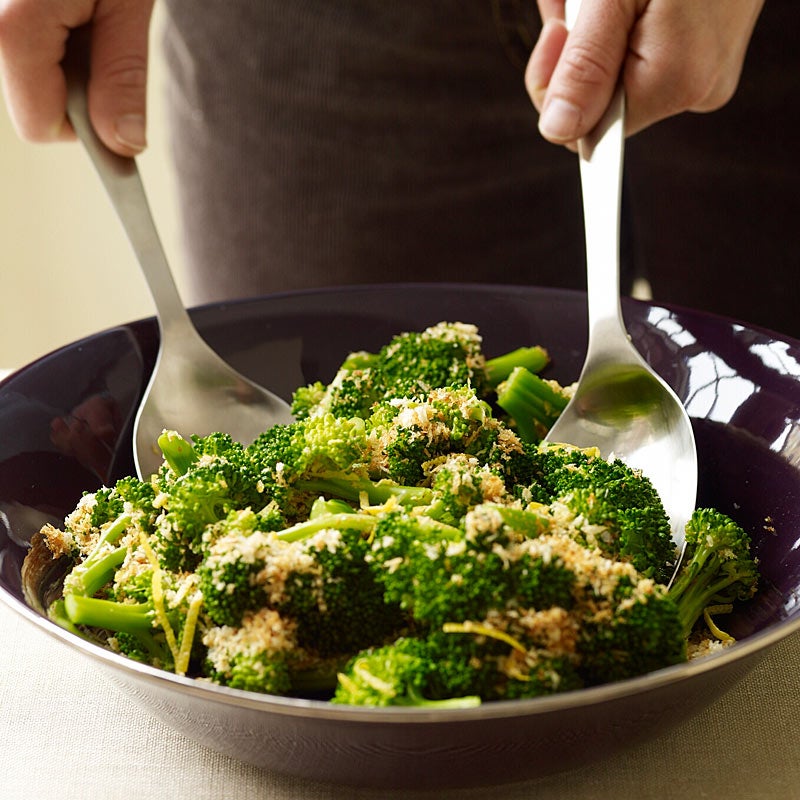

Broccoli with lemon-garlic crumbs
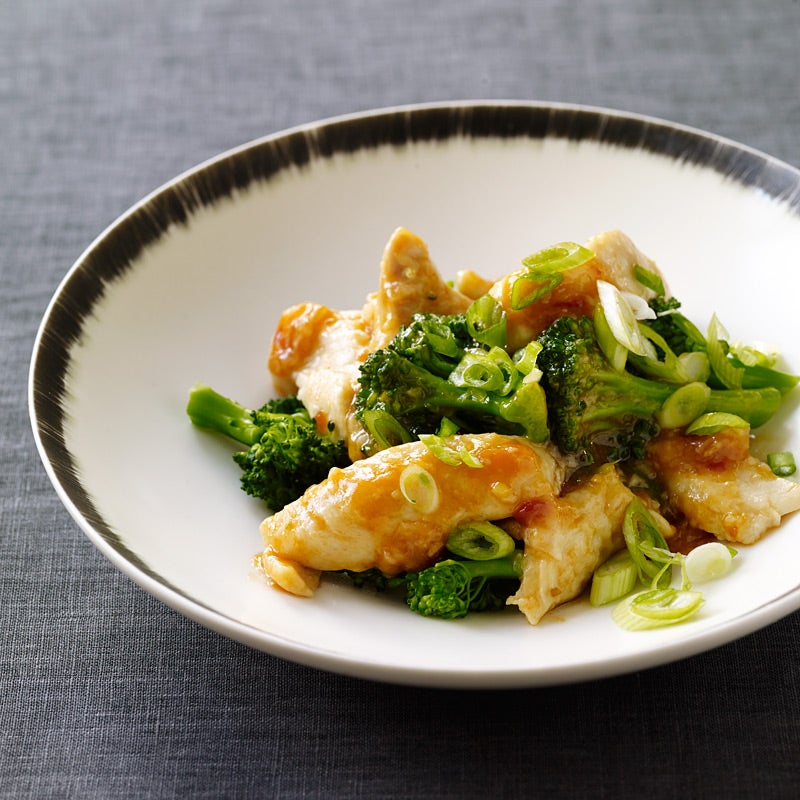

Garlicky chicken and broccoli


Broccoli Stalk & Pecorino Crostini
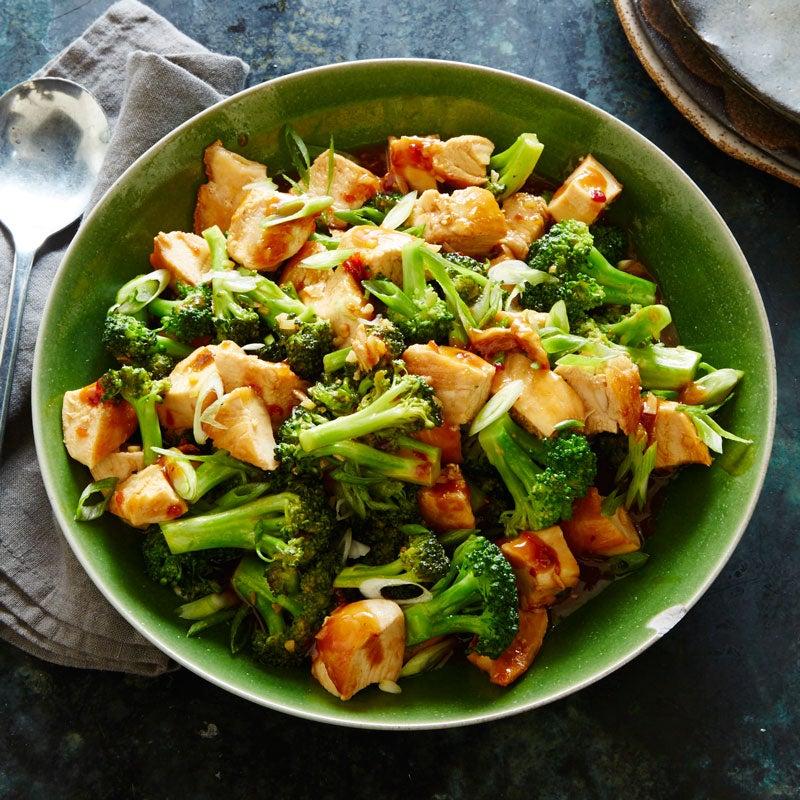

Sesame Chicken & Broccoli Stir-Fry
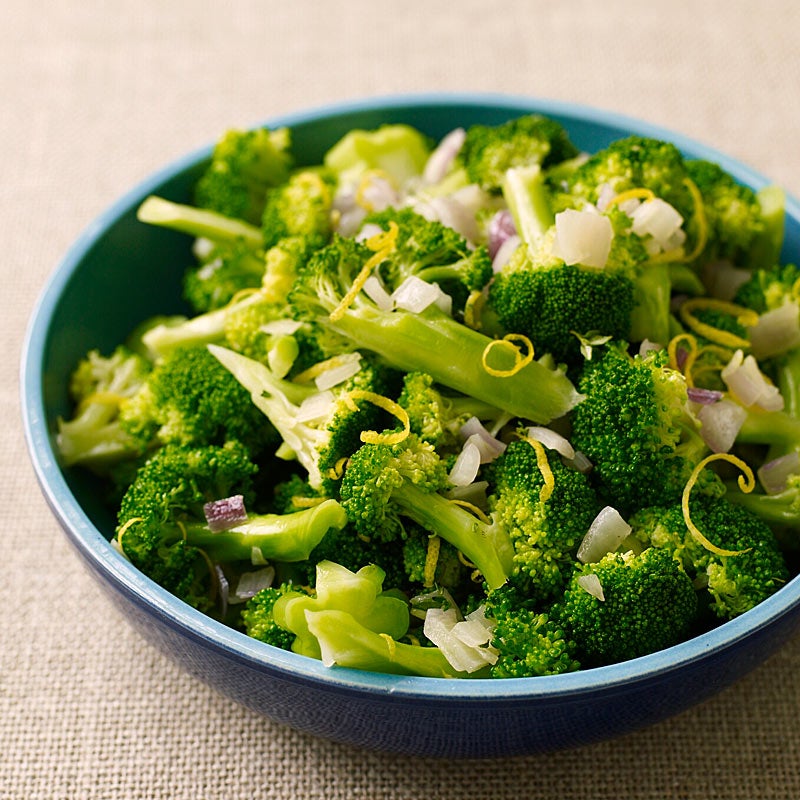

Broccoli with shallots and lemon
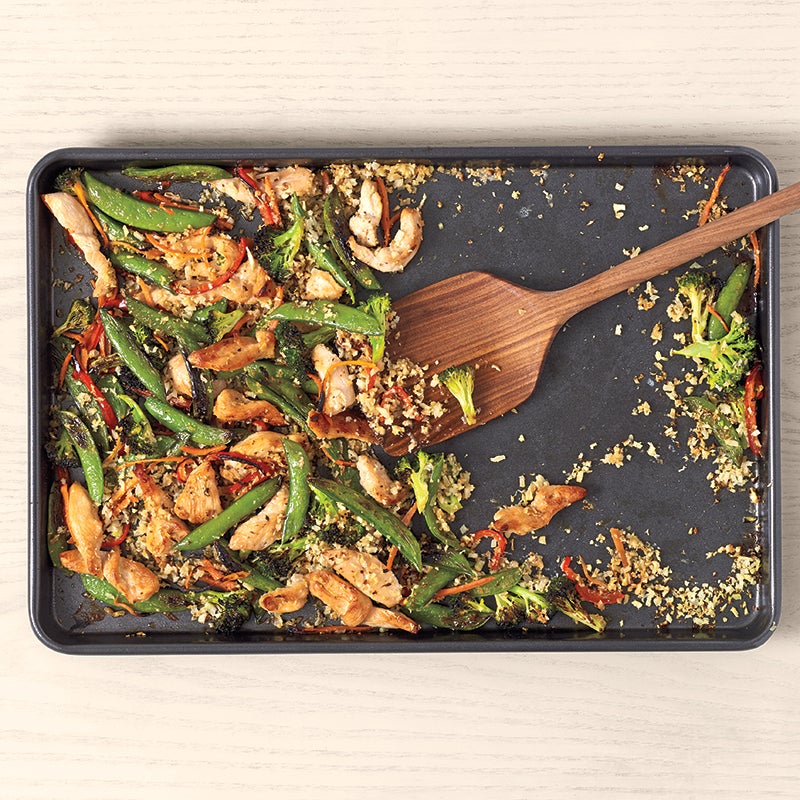

Sheet Pan Fried Cauliflower Rice with Chicken


Mediterranean lemon, vegetable, and two-cheese flatbreads


Chicken, Broccoli & Tortellini Soup


Broccoli with cheese sauce
The upshot: Is broccoli good for you?
Broccoli is high in fiber, vitamins, minerals, and phytonutrients—and low in calories. Research shows that the veggie may boost your health and help protect against diseases, including some types of cancer. When added to a healthy diet, it may also help you with weight loss and maintenance. The bottom line: Broccoli absolutely does a body good.
--
Sharon Liaois a freelance writer and editor specializing in health, nutrition, and fitness. She lives in Redondo Beach, California.
--
This article was reviewed for accuracy in July 2021 byStephanie L. Fitzpatrick, PhD, senior manager for multicultural programs at WW.The WW Science Teamis a dedicated group of experts who ensure all our solutions are rooted in the best possible research.