What happens in your body…when you build a habit
Join us for a NEW six-part series!
Weekly topic: What happens in your body when you build a habit?
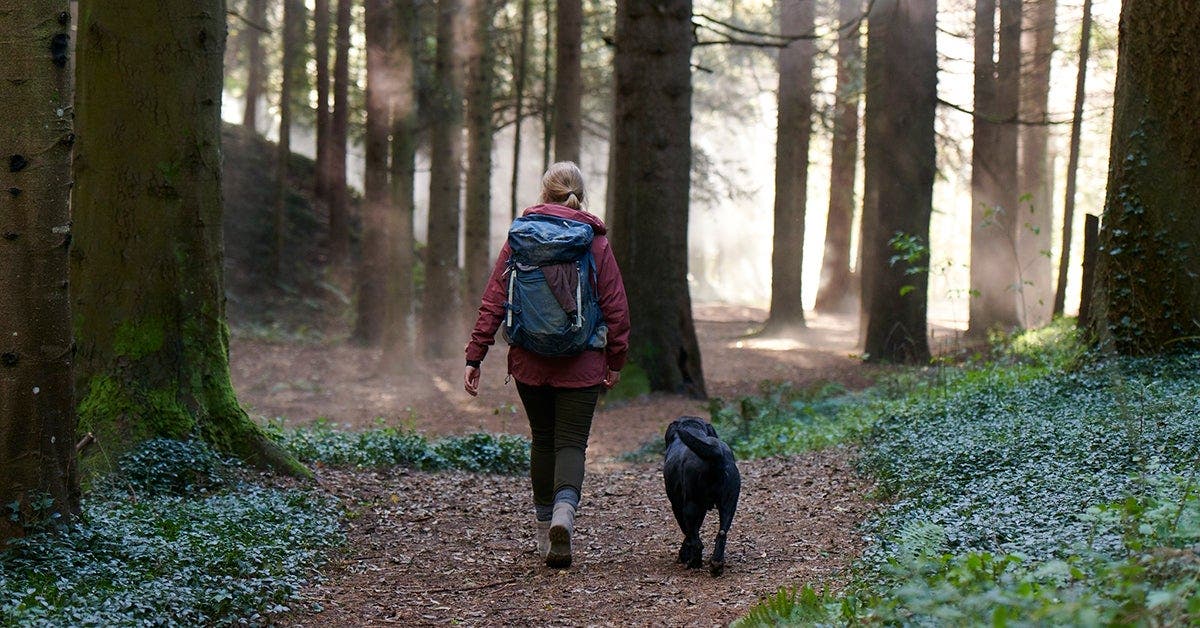
Imagine you’re in the woods (go with us here) on a well-worn path you’ve taken plenty of times before. It’s clear, it’s easy, and you know exactly where it’ll take you. But what if you want to go somewhere new? You’ll have to chart a fresh path. It might feel different at first and it’ll take some time to get used to, but pretty soon it’ll feel like second nature. That’s what’s happening in our brains every time we repeat an action that leads to us forming a new habit. It’s called neuroplasticity, and it means that we can literally change our brain (seriously).
3 fast facts
Our brains literally change based on what we do, think, and experience.
Each time we repeat an action, our brain cells associated with that activity or thought become more connected, making it more likely that we will do it again. That means each time we eat when we feel stressed, the pathways in our brain that link stress with eating grow stronger. At the same time, if we’re stressed and go on a walk instead of eating, the pathways that link stress and walking grow stronger.
The less we repeat an action, the more the pathways between brain cells weaken. So each time we don’t reach for food when we’re stressed, the connection between stress and eating lessens.
Try this technique
Use the steps below to form new pathways that will help you get closer to your long-term goals.
Think big picture. Identify a long-term goal you’re looking to accomplish. Maybe it’s running a marathon, losing a certain amount of weight, or becoming a better cook. Set whatever your intention is by writing it down.
Pinpoint an old path. Is there one that’s just not working anymore and inching you further from what you’re actually trying to do? Is it that you go straight for the TV remote when you’re bored or automatically grab a takeaway for dinner? No judgement!
Choose a new path. What will ultimately get you closer to your goal? Next time, consider trying a short workout in the WW app when you’re bored or try mastering a simple-to-cook meal. Jot your ideas down!
Make a plan. List when you could choose a new path instead of a well-worn one. Those are “choice points.” Remind yourself of your intention and look for your choice points daily. The more you take that new route, the stronger the connections between the choice point and your action will become.