WeightWatchers study identifies weight loss ripple effect
One third of partners lost three per cent or more of their initial body weight, despite not following the programme directly.

Weight Watchers has released the findings of a new study in partnership with the University of Connecticut which identifies weight loss ripple effect within couples.
The study tracked the weight loss progress of 130 couples over six months. The researchers found that when one member of a couple commits to losing weight, there was a high chance the other partner would lose some weight too, even if they were not actively trying to do so themselves.
In the study, approximately one third of the untreated partners lost 3 percent or more of their initial body weight after six months despite not setting out to lose weight. A three percent loss of body weight is considered a measurable health benefit.
The study's lead investigator, UConn Professor Amy Gorin, calls it a "ripple effect."
"When one person changes their behaviour, the people around them change," says Gorin, a behavioural psychologist. "Whether the patient works with their healthcare provider, joins a community-based, lifestyle approach like Weight Watchers, or tries to lose weight on their own, their new healthy behaviours can benefit others in their lives."
The study
Couples were divided into two groups and assessed at three and six months. In one group, one member of the couple was enrolled with Weight Watchers. In the second group, one member of the couple received a four-page handout with information on healthy eating, exercise, and weight control strategies (e.g. choosing a low-fat, low-calorie diet, portion control).
The results
Joining has a positive impact on your other half - the more you lose, the more they lose
Untreated partners in both the WW and self-help groups lost weight, suggesting a ripple effect of weight loss
Those in the WW group lost significantly more weight than those in self-help group at 3 months, but the differences did not persist to 6 months.
The weight loss trajectories were similar within couples.
Emily lost weight and her partner Stu benefited too!
Emily is the cover star on our March issue of the Weight Watchers magazine. Read an extract from her story here. For her full story, pick up the latest copy of the mag.
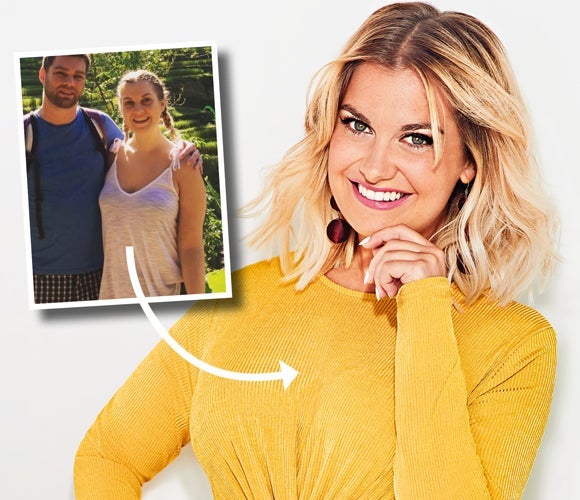
“Whilst I was losing weight, I still enjoyed going out for meals with my partner Stu and even his health has improved too! It's been great for both my relationship with myself, and with Stu!”