Night sweats: causes and treatments
Find out what could be causing you to sweat while you sleep.
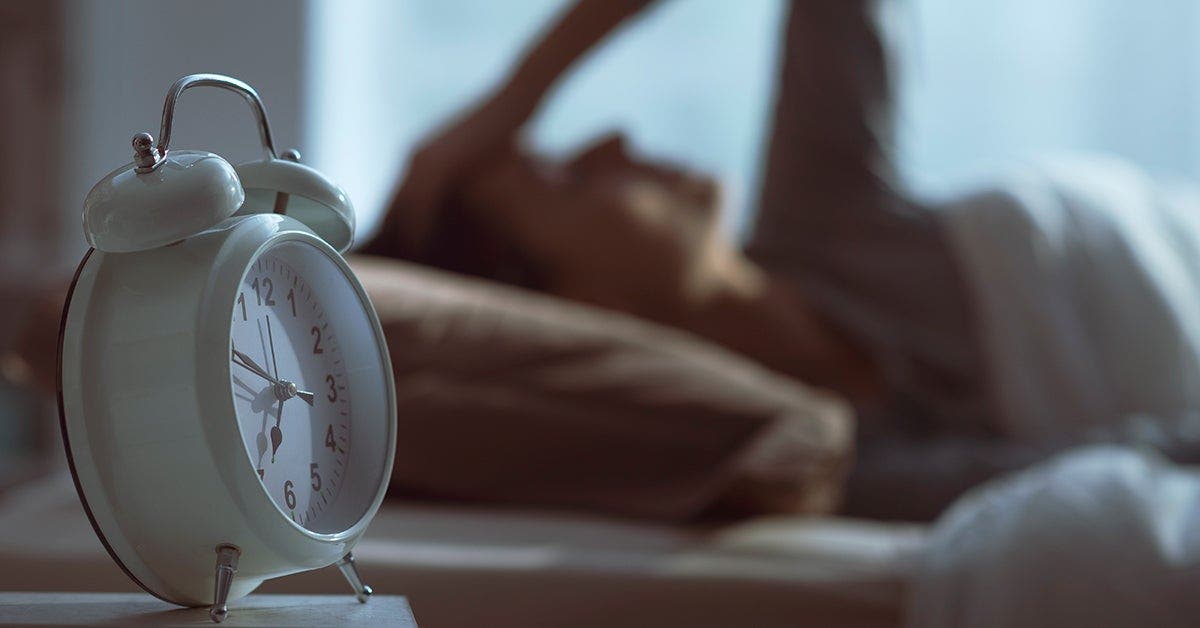
Sweating is your body’s way of cooling itself down. It’s healthy to perspire when you’re exercising, rushing to catch a bus, or outside on a sweltering day. However, sweating that happens while you’re sleeping is different.
Night sweats can be a signal from your body that there’s something going on that needs attention. Read on to learn about the most common causes of this uncomfortable condition, and how to treat it.
What are night sweats?
Night sweats, which experts call sleep hyperhidrosis, refers to excessive perspiration that occurs while you’re asleep and isn’t caused by an external stimulus (such as a broken air conditioning unit.)
The “excessive” part is key: merely feeling a tad hot or sticky doesn’t qualify as night sweats. “Patients frequently talk about waking up drenched,” says Dr. Joseph Ojile. “They have to get up in the middle of the night and change their clothes, sometimes even their sheets.”
Night sweats can affect both men and women. In addition to being uncomfortable, night sweats interrupt your sleep, which can negatively impact your health. Sleep disruptions can make you feel more irritable, stressed, and anxious - and increase your risk of high blood pressure, heart disease, and type 2 diabetes.
What causes night sweats?
There are many possible reasons why you might have night sweats. Some, like hormonal changes, are gender-specific. Other causes, like the 8 listed here, are common in all genders.
1. Some medications
Night sweats are a side effect of many prescription drugs, Dr. Ojile says. Some blood pressure medications, birth control pills, and respiratory drugs may cause the problem. If you regularly take a prescription medication and are having night sweats, there may be a connection.
2. Sleep apnoea
As many as half of people with sleep apnoea (a condition that causes you to stop breathing for several seconds repeatedly while you’re asleep) suffer from night sweats. “When you stop breathing, it causes your ‘fight or flight’ hormones to surge, which can make you perspire,” Dr. Ojile says. While anyone can develop sleep apnoea, men are about twice as likely as women to experience it.
3. Acid reflux
Gastroesophageal reflux disease (GERD) is a condition where stomach acid comes up into the oesophagus, causing heartburn and chest pain - often at night. People with GERD sometimes experience night sweats, but experts suspect it may be because they’re also more likely to have sleep apnoea as well.
4. Alcohol and caffeine
Alcohol dilates blood vessels in your skin, which can make you feel warm and flushed. This may explain why people who drink more alcohol seem to be more apt to have night sweats. Other studies suggest that there may be a link between caffeine consumption and hot flashes, but the evidence is mixed.
5. Anxiety
If you’ve ever felt really nervous before a work presentation, you know that anxiety often goes hand-in-hand with sweating. And it’s not just while you’re awake: people who suffer from panic disorder are significantly more likely to experience night sweats.
6. Hyperthyroidism
When your thyroid is overactive (hyperthyroidism) it produces excess thyroid hormones, which causes your metabolism to speed up. That can make you easily feel overheated, and ramp up sweating around the clock.
7. Nocturnal hypoglycaemia
People living with type 1 or type 2 diabetes, especially those using insulin, may be at risk of low blood sugar (or hypoglycaemia). Sweating is one sign that blood sugar has dropped too low, and eating or drinking is necessary to bring it back up to a normal level. Nocturnal hypoglycaemia (becoming hypoglycaemic while you’re asleep) can be dangerous, so if you're living with a type of diabetes and are experiencing night sweats, talk to your GP right away.
8. Infection or disease
In some cases, night sweats are caused by an infection such as tuberculosis or a disease like lymphoma. “Don’t be worried, but if you recently started having night sweats, your GP needs to know about it” Dr. Ojile says.
Night sweats in women
Many females complain of night sweats when they’re perimenopausal, menopausal, and pregnant. Here’s what might be behind the symptom during those times:
Perimenopause and menopause: For women who are approaching menopause (perimenopausal) or haven’t menstruated for a full year (menopausal), night sweats are essentially hot flashes that occur during sleep, and as many as 75 percent of women in these groups experience them. Experts don’t know exactly why hormone-induced hot flashes and night sweats happen, but it’s possible that a drop in oestrogen causes the hypothalamus (the part of the brain that controls body temperature) to become hypersensitive.
Pregnancy: Up to a third of expecting mums report night sweats, and many complain of the condition during the postpartum period as well. The problem may be related to hormonal fluctuations (which can affect how the body regulates temperature) or sleep apnoea. Sometimes pregnant women develop sleep apnoea due to weight gain, increases in metabolism, and the baby’s movement as it grows, Dr. Ojile says.
How to stop night sweats
If you treat the underlying cause, you may be able to reduce or stop night sweats. Some issues can be addressed with a lifestyle fix you can try on your own, but others may require intervention from your GP.
Diet and lifestyle changes
Adjust your room temperature: Night sweats aren’t caused by high temperatures, but sleeping in a hot space can exacerbate the problem. “Lowering the room temperature substantially may help suppress night sweats,” Dr. Ojile says. And to increase your comfort when sweating does strike, wear PJs made with moisture-wicking fabric.
Maintain a healthy weight: People who are overweight are more likely to experience night sweats, potentially because of sleep apnoea. Research has shown that excess weight makes you significantly more likely to experience sleep apnoea, but losing as little as 10 per cent of your body weight could substantially help.
Limit caffeine, alcohol, and spicy foods: Especially in the evening, it’s smart to avoid foods and drinks that might trigger night sweats.
Try soy: Soy-based foods (like tofu and edamame) may help alleviate menopause symptoms. Research has found that women who take supplements containing soy isoflavones are less likely to experience night sweats. We recommend checking with your GP before trying any supplements.
Medical treatments
Hormone therapy: If menopause-related hormonal changes are causing your night sweats, your GP might recommend hormone therapy in the form of prescription oestrogen and/or progesterone. Hormone therapy isn’t for everyone though, since it may have serious side effects such as an increased risk of breast cancer, stroke, and blood clots. Your GP can help you weigh up the pros and cons.
Gabapentin: Originally developed to control seizures, this prescription medication has also been shown to ease hot flashes and night sweats in menopausal women. Gabapentin may be an effective option for women who’d prefer not to or can’t use hormone therapy due to pre-existing health conditions such as cardiovascular disease.
Acupuncture: Menopausal women who get acupuncture treatments have fewer and less intense hot flashes, according to a meta-analysis of several studies.
CPAP or a dental appliance: If your night sweats are caused by sleep apnoea, a sleep specialist will likely recommend one of these two treatments. Continuous positive airway pressure (CPAP) involves using a device that pushes air into the mouth and nose as you sleep to keep your airways open. Or, a custom-made dental appliance holds the lower jaw forward, prompting tissue at the back of the throat to relax.
Cognitive behavioural therapy: Cognitive behavioural therapy is a proven treatment for anxiety and panic disorder, so it may help improve night sweats caused by those conditions. Talking therapy can also decrease the distress of hot flashes and night sweats in menopausal women.
Blood sugar management: If your night sweats are caused by nocturnal hypoglycaemia, your doctor may adjust your medication and/or have you check your blood sugar more often.