7 feel-good ways to reduce food waste and plastic use
Nourish your body, take care of the planet and save money - all at the same time.
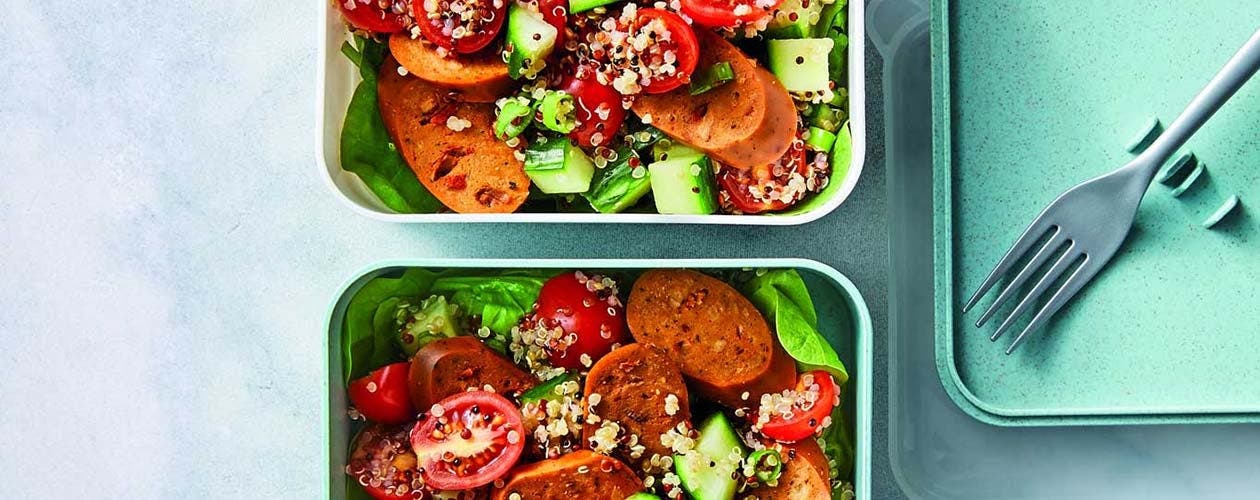
At WW, we believe nourishing our bodies and taking care of the planet aren’t mutually exclusive. While there are lots of positive changes we can all make to help the world we live in, in this article we're tackling something close to our hearts: food waste prevention.
Have you ever tossed a never-opened pack of soggy lettuce because you overestimated how many salads you were going to eat? Or thrown away vegetables you've found languishing at the back of the fridge?
Read on for ten simple and effective easy ways to reduce food waste right now.
1. Plan ahead
A general rule of thumb for a successful supermarket shop is always going in with a purpose. While it certainly helps to make a shopping list, why not go a step further and meal plan for the week? That way, you can fill your trolley with the exact ingredients you’ll need and avoid grabbing any excess that could end up in the bin.
2. Understand expiration dates
Food may contain bacteria and if it's stored for too long, which can cause food poisoning. It’s important to understand the different types of dates and advice on food packaging, namely the 'best before' and the 'use by' dates. Here are some top tips to remember from the Food Standards Agency:
Use-by dates:
This is about safety. After the use-by date, don't eat, cook or freeze your food, as it could be unsafe to eat or drink, even if it has been stored correctly. Food can look and smell fine even after its use-by date, but that doesn't mean it's safe to eat - it could still be contaminated.
Best before dates:
This is about quality, not safety. The food will still be safe to eat after this date but may not be at its best, so example, flavour and texture may be impaired.
3. Put your freezer to work
There's a long list of ingredients that freeze exceptionally well, like meat, most bread and bagels, bananas and avocados (without skin), grated cheese, and even gently whisked eggs. So move your ice cube tray (and ice cream!) aside and make room for the foods that certainly deserve a second chance at life.
4. Save your veggie scraps for stock...
No offense to our favourite canned soups, but homemade ones taste better, and you can customise your stew with whatever leftover veggie scraps you have on hand. Better in a pot than in the bin! One to try: this vegetable stock recipe uses onion, celery, carrots and crudités. Another pro-food-saving tip: freeze any leftovers in portions so when you’re ready to use it, you can thaw the exact amount you need.
5. ...or compost them
Wondering what to do with leftover leaves, stems, and peels? Those pieces are totally salvageable, in an inedible way, of course. Creating a compost heap reduces waste by turning these scraps into a nutrient-rich fertiliser that’ll bring new life. Don’t have a garden or space to make a heap? There may be a community composting scheme you can take advantage of.
6. Turn to Tupperware
Lidded containers can increase the shelf life of fruits and veggies. For example, it's best to keep sliced up produce (like tomatoes and cucumber) in a closed container in the fridge to help them stay fresher for longer. Ventilated bags may also come in handy for foods like broccoli, carrots and mushrooms.
7. Start pickling
Pickling is a tasty food preservation method that you could turn into a fun hobby. The next time you accidentally buy too many eggs, radishes, peppers, cucumbers, or onions, bust out your mason jar collection and get to it!