What is plant-based eating, and should you try it?
Our in-house nutrition experts weigh in on the potential health benefits of a plant-based diet.
Weekly topic: What happens in your body when you...eat healthier
Plant-based foods have been garnering serious buzz in recent years. Maybe you noticed the trend when your local supermarket began stocking eight varieties of oat milk. Or perhaps you've tried the vegan sausage roll at Gregg's, or dabbled in the Plant Kitchen range at M&S?
With plant-based foods now gaining serious mainstream momentum, WW’s nutrition experts are here to give you the lowdown. Here, they explain what “plant-based eating” really means, offer a closer look at the health research on this dietary approach, and share some simple & delicious ways to add more plants into your diet.
What exactly is plant-based eating?
True to its name, plant-based eating generally describes a diet that’s rich in edible plant parts (think: fruits and veggies), as well as food products derived from plants, so anything from peanut butter and olive oil to veggie burgers and dairy-free ice cream.
Plant-based diets tend to be low in meat and other animal products. Some people who follow a plant-based diet steer clear of animal-derived foods altogether.
Is plant-based eating the same as being vegetarian or vegan?
Not necessarily. While plant-based foods are the stars, some people who choose to follow this pattern of eating still enjoy meat, eggs, and/or dairy, says Jaclyn London, MS, RD, CDN, head of nutrition & wellness at WW. You definitely don’t have to go vegan or vegetarian - only if you want to!
If you're considering making a major change to your diet, chat with your GP first to make sure your nutritional bases are covered, London says.
What foods can you eat on a plant-based diet?
Plant-based eating isn’t a formal regimen or set of rules; it’s more about building your meals predominantly around plants. “This eating style emphasises real, wholesome foods that are plants themselves or derived from plants to help you to rethink the way you build your plate,” London says. Building blocks typically include vegetables, fruits, whole grains, beans, and legumes, with support from healthy-fat sources like nuts, seeds, avocado, and plant-derived oils.
Packaged foods (such as snacks and dairy swaps) often play a role in plant-based eating. Just be sure to read labels carefully, London says. She suggests opting for items “with whole foods as the first ingredient - soybeans, chickpeas, black beans, lentils, nuts, or seeds - and prioritising those that contain no more than 0.3g of salt and 2g of saturated fat per serving.”
Are there health benefits to plant-based eating?
Plant-based eating shows promise for supporting good health, and maybe even a longer lifespan.
A large 2019 analysis in the Journal of the American College Of Cardiology found that adults who ate a mostly plant-based diet were 41% less likely to be hospitalised with heart failure during a nearly nine-year period, compared with subjects whose diets were high in processed meats. (Further research would be needed to understand cause and effect.) This adds to earlier published research suggesting that adults who eat little to no meat tend to have healthier blood pressure readings than avid carnivores.
And while the above studies don’t mandate swearing off all animal products, separate research into vegan and vegetarian diets may offer additional clues about the power of plants. A 2017 meta-analysis identified a reduced incidence of cancer with meat-free eating, while another meta-analysis from the same year concluded that vegetarian diets may reduce a person’s risk of developing type 2 diabetes.
Is a plant-based diet healthier than other diets?
Even amid those positive findings, WW’s experts caution against blanket judgments. “Not all plant-based options are created equal,” says Angela Goscilo, MS, RD, CDN, manager of nutrition at WW. This style of eating does tend to nudge people toward foods that are higher in vitamins and minerals, and lower in saturated fat and sodium, but it’s not a surefire formula for balanced nutrition, she says. (French fries are a plant-based food, after all.)
That was the conclusion of a 2017 study published in the Journal of the American College of Cardiology. After following more than 200,000 men and women over two decades, researchers found that subjects who ate “healthful” plant-based diets (those that favoured whole grains, fruits, vegetables, nuts, legumes, and oils) had a lower risk of developing coronary heart disease than subjects who ate “unhealthy” plant-based diets high in added sugars and refined grains.
Can you lose weight on a plant-based diet?
It’s possible, but there’s no evidence to suggest that plant-based diets impart special weight loss powers, London says. Ultimately, weight loss requires a caloric deficit. Whether a person loses pounds by amping up plant intake depends to some extent on the foods they were eating before.
That said, adding more plants to your diet could be beneficial to your weight loss and wellness journey. That's because compared with animal-derived foods, plant-based foods tend to be lower in total and unsaturated fats, London says. Plant-based foods also tend to be higher in fibre, and some (like beans) also are high in protein, making them a satisfying choice for people trying to lose or maintain weight.
Many ZeroPoint foods across the WeightWatchers programme align with a plant-based style of eating. For instance, most fruits & veggies are ZeroPoint™ foods and some whole grains including brown rice, potatoes and wholewheat pasta are ZeroPoint foods.
How do you start a plant-based diet?
Plant-based eating doesn't have to mean overhauling every meal; it simply means enjoying more plant-based foods whenever you can. London’s advice: start where you are. Think about the dishes and snacks you already enjoy, then look for ways to bring more plants into the picture. For example, you could replace meat with a plant-based protein at dinner, or stir fresh berries into your breakfast yogurt.
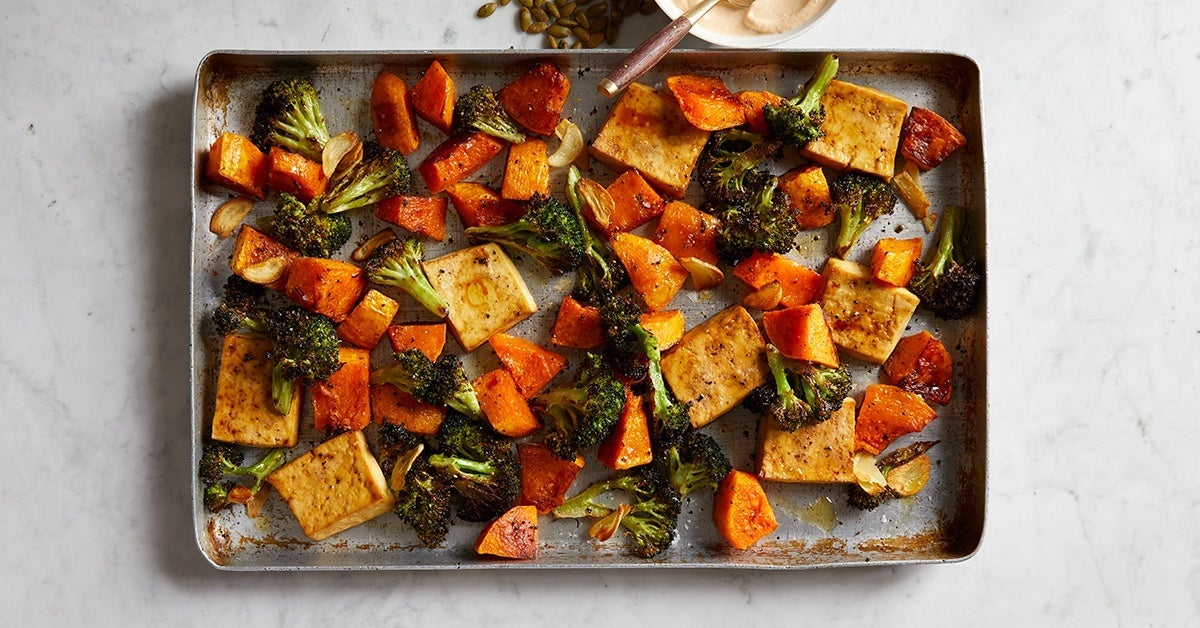
“Aim to have at least half your plate coming from plant-based sources,” London says. Need some inspo? The following delicious recipes put plants at the forefront.