Everything you need to know about bananas, according to a registered dietitian
Asking for a friend: does banana bread count as fruit?
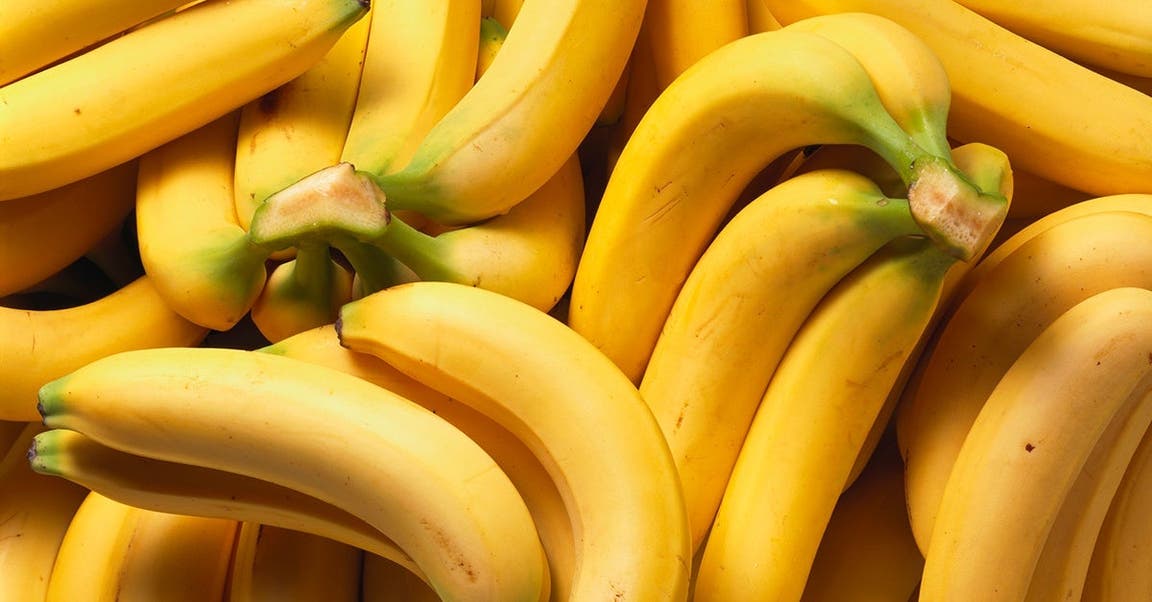
From blending to baking, bananas are one of the most versatile and nutrient-packed fruits, so it’s no surprise they’re also one of WW members’ most tracked foods!
You likely know that bananas are good for you, but have you ever wondered why? We asked our registered dietitian and nutrition experts to share the science behind bananas and answer your top questions.
Here’s the lowdown:
Banana nutrition stats
One medium banana: 105 calories, 27g carbohydrates, 1g protein, <1g total fat, 0g saturated fat, 3g fibre, 14g sugar, 422mg potassium (12% DV), 32mg magnesium (8% DV), 10.3mg vitamin C (17% DV), 0.433mg vitamin B6 (20% DV).
Are bananas good for you?
Bananas are an all-star choice when it comes to adding more nutritious, wholesome foods to your meals and snacks. They’re chock full of important nutrients like potassium, magnesium, fibre, vitamin B6, and vitamin C. While no single food in isolation of everything else you eat will make or break your overall health status, adding more fruits and veggies to your diet is always a good idea.
What are the health benefits of eating bananas?
Eating more fruit is beneficial for your health in so many ways! Remember, no single food is a miracle cure (or end-all mistake), but bananas are certainly a healthy choice. The nutritional profile of bananas means they may help play a role in keeping your bones healthy, reducing your heart disease risk, supporting blood pressure regulation, and boosting energy and cognition.
Let's get to the specifics:
Bone health
In general, dietary patterns that include higher intakes of fruit and vegetables are considered beneficial in supporting healthy bone mineral status. When it comes to bananas specifically, we look to their potassium and magnesium levels. Diets high in potassium may help reduce a person's risk of osteoporosis by supporting bone mineral density. Magnesium is further involved in bone formation, and higher intakes have been shown to improve bone mineral density.
Heart disease
Similar to bone health, dietary patterns high in veggies and fruit are associated with a decreased risk of heart disease. (You might be sensing a theme here!) Some of the key minerals, nutrients, and antioxidants in bananas, like vitamin C, also have protective qualities that can shield cells from damage.
Blood pressure
Bananas are a source of potassium and magnesium, both of which contribute to regulating blood pressure. In fact, the DASH diet (a.k.a. Dietary Approaches to Stop Hypertension) promotes an increased intake of potassium and magnesium. As a component of a healthy pattern of eating, these nutrients are linked to a decreased risk of hypertension. This is even more impactful when you consider that blood pressure is a major modifiable risk factor in the development of stroke, heart disease, and kidney failure.
Energy and cognition
Bananas are an excellent source of vitamin B6 - one medium banana provides 20% of your daily needs. Vitamin B6 plays a critical role in converting the food you eat into the energy that your body can use for a variety of functions. When your body’s not getting enough, you may feel tired or lethargic (though true deficiency is rare!). We mentioned vitamin C earlier, but this antioxidant’s protective qualities may also play a role in reducing risk of cognitive decline.
Is it OK to eat a banana every day?
If you want to, we say go for it! It will put you on the right track to meet your daily fruit and veggie needs.
Are bananas fattening?
If you’re concerned about weight gain, bananas are an unlikely culprit. With around 100 calories and less than half a gram of fat in each fruit, they’re an overall better-for-you choice. Diets high in fruits and vegetables are linked to lower BMI and a reduced risk of chronic disease. Plus, since they’re as nutritious as they are tasty, we’re not so concerned about you overdoing it!
Are bananas good for gut health?
Bananas are a good source of fibre- about 3g per serving or a whopping 12% of your daily needs. This means they play a definite role in gut health, since fibre helps bulk up your stools and promote regularity. You’ve likely heard about probiotics (good-for-you bacteria) when it comes to your GI tract. Bananas are packed with prebiotics (non-digestible carbs) that stimulate the growth of your naturally-occurring probiotics and may help protect your gastrointestinal health.
Are bananas high in sugar?
While the average banana contains about 14g of naturally occurring sugar, it’s also packed with plenty of other vitamins, minerals, and other important nutrients, including fibre. Here’s where bananas are different from, say, a fizzy drink: the fibre in a banana helps slow the digestion and absorption of sugar in your bloodstream, which promotes satiety and provides a more stable release of energy compared with concentrated sugar sources, such as juice or other sweetened beverages. Plus, eating more fruit on the whole can help you cut back on added sugar - the type you’ll find in sugary drinks, desserts, and the like.
Is there a best time of day to eat bananas?
Anytime is the right time for fruits and veggies. But if you’re looking for a pre- or post-workout snack, bananas are an especially good choice. They provide an easily digestible source of carbohydrates, which are the preferential fuel for your muscles.
While it’s not always necessary to refuel with snacks, pairing a banana with a source of protein (like a nut butter) can help up your glycogen stores. A banana can also help replenish potassium lost through sweat.
When it comes to replenishing after a sweat sesh, hydration is a must no matter what.
What’s the best way to eat bananas?
Whichever way you love most! Since they’re a ZeroPoint™ food, you can feel empowered to experiment with them at any meal. Need some inspiration? Some of our experts’ favourite ways include using them as a base for breakfast staples like pancakes or smoothies, pairing them with lean proteins and healthy fats (like nut butter or low-fat Greek yogurt) for a satisfying snack, or turning them into a nutritious frozen dessert.
The bottom line
More is more when it comes to fruit and vegetables! No matter how you like to eat them, bananas are an all-star, nutrient-packed food.