Why it’s totally OK to eat the foods you love
Think planning, not banning.
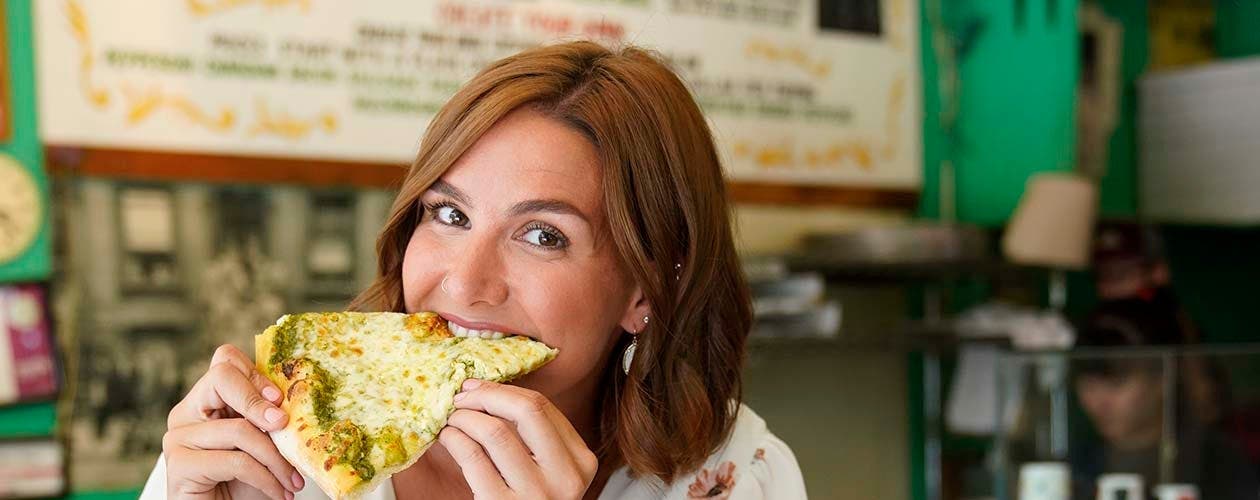
Everyone has a favourite food or dish. And let’s be real: for most of us, it’s not a dry kale salad. Maybe your favourite food is cheesy pizza, or a chicken korma takeaway. Slice of cake with your cuppa, anyone? You get the idea. For many of us, the foods we love most are rich, sugary, or starchy - and relatively high in Points®.
At WW, we strongly believe that no food is inherently “bad”, and that it’s possible to make a healthy plan to enjoy anything you like. While it’s perfectly OK to steer clear of ice cream if that’s easiest for you at the moment, it’s also possible to spoon into a frozen dessert without blowing up your wellness goals. File that fact away!
Read below for more on what goes into a healthy strategy for including favourite treats in your life, so you can eat what you love and feel good about your choices.
Eating what you love: 3 parts of a healthy plan
1. Deciding when
Designating a date and time to eat your favourite food can be helpful for shoring up a sense of personal power, says Jaclyn London, MS, RD, CDN, WW’s head of nutrition and wellness. Opt for a date that doesn’t feel too far away, and try to choose a time when you won’t be distracted or feeling overly hungry - two factors that can contribute to overeating.
For example, if you’ve been wanting cheesy nachos with guacamole lately, you might try planning something like an early Friday night fiesta as a fun way to mark the end of a busy week. Choosing when to eat a food supports healthy moderation, London explains. With a purposeful plan in place, you’ll be less likely to reach for Friday's treat on Wednesday or Thursday.
2. Figuring out how much
It’s a common fear about favourite foods: they’re so delicious, we worry we’ll never be able to stop eating them. Luckily, that’s not how it works, London says. You are in charge of how much you eat, and deciding ahead of time what makes sense for you - rather than creating pressure on yourself to figure it out in the moment - can be useful in guiding your purchases and prep. Let’s say you’re in the mood for a pizza.
Ask yourself: “How many slices should I plan to have? What sort of serving works with my other food choices this week?” Portioning reinforces the reality that you have control over food, and not the other way around, London says.
3. Understanding that enjoyment is the point
If you’ve had a rocky relationship with food in the past, you may have fallen into an unhealthy pattern of punishment and reward - the idea that you must earn treats for being “good,” and vice-versa. Challenge that thinking by remembering this: you deserve to enjoy what you eat without moral judgment, says Ginger Hultin, MS, RDN, a spokesperson for the Academy of Nutrition and Dietetics and the founder of Champagne Nutrition in Seattle.
Eat slowly, pay attention to the flavours you love, and savour each delicious bite. The more experiences you have enjoying your favourite foods without overeating or beating yourself up, the more confident you’ll begin to feel about incorporating those foods into your healthy eating plan, Hultin says.
In summary:
For long-term weight control, the most effective eating strategies are flexible enough to allow for personal likes and dislikes. On the other hand, weight loss plans that depend on severely restricting certain foods or food groups usually aren’t sustainable, according to a 2018 study review published in the journal Healthcare.
If you’ve been strenuously avoiding a favourite food to prevent overeating, there’s no pressure to reintroduce it. But if at some point you decide you’d like to try the food again, having a plan in place can help ensure the experience is a healthy and positive one.