5 reasons fibre deserves a starring role in your diet
Fibre can help your heart, your gut, and even your waistline! Here’s how to make sure you get more fibre with each meal.
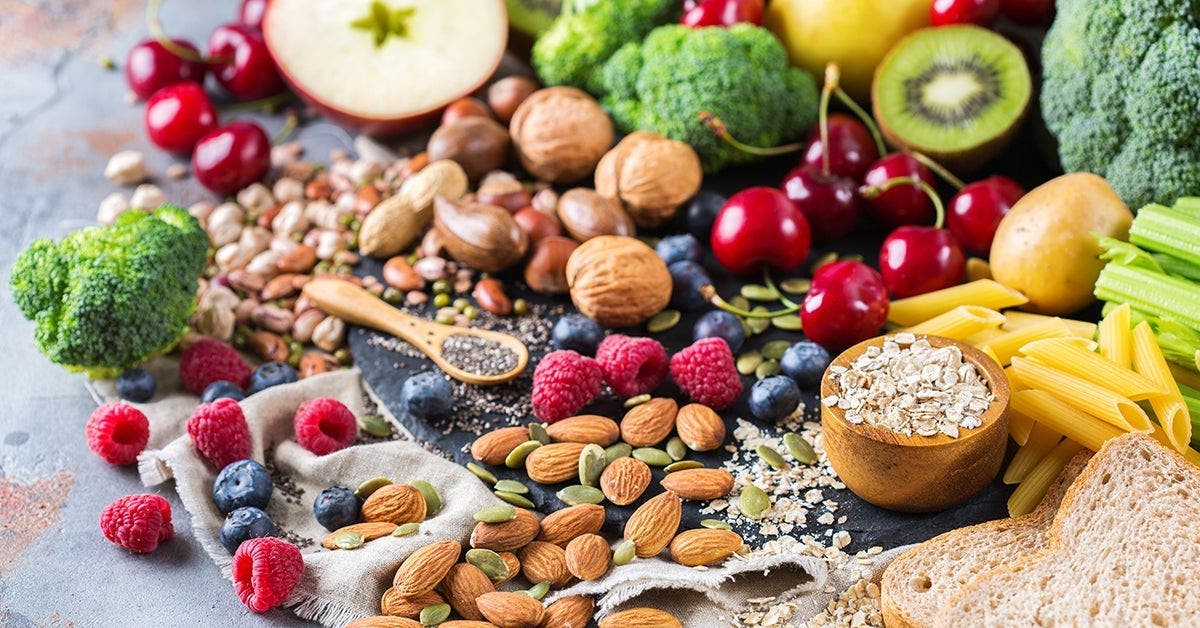
With nicknames like “roughage” and “bulk,” fibre will probably never rank as a fun or trendy nutrient. “Few terms in the nutrition world sound less sexy,” says Lauren Slayton, MS, RD, founder of Foodtrainers in New York City. “But the benefits of fibre are about as valuable as you can get.”
Ready to get excited about roughage? Read on to see how fibre can support your wellness journey - and discover simple, delicious ways to amp up your intake.
What is fibre, exactly?
Fiber is a carbohydrate - one of three main classes. Only unlike its carby cousins (starches and sugars), fibre doesn’t provide glucose energy. Our bodies are unable to break down fibre for fuel, so we use it in other ways, explains Angel C. Planells, MS, a registered dietitian nutritionist in Seattle and a spokesperson for the Academy of Nutrition and Dietetics. Dietary fibre has a number of subtypes - for example, there’s pectin in pears and apples, inulin in onions, and cellulose in corn, which are classified as either soluble or insoluble depending on how they interact with water.
Soluble fibre absorbs water in the digestive tract to form a gummy material. It’s found in cereal grains such as oats, as well as starchy vegetables, and pulses including beans, lentils, chickpeas, and peas.
Insoluble fibre doesn’t react with water; it provides volume and bulk to stool and helps keep contents moving through the digestive tract. Insoluble fiber is found in whole grains, apples, nuts, beans, and non-starchy vegetables.
Typically, if a food is high in fibre, it contains both types. Convenient!
Notice a trend in those food examples? Fibre occurs only in plants - think fruits, veggies, whole grains, seeds, nuts, and legumes. Unless it’s part of an added ingredient, you won’t find fibre in dairy, meat, poultry, seafood, or eggs.
Health benefits of fibre
No question: fibre is pretty great for human health. Published research points to a slew of positive impacts associated with a fibre-rich diet. Here’s a look at some of the biggies:
1. Reduces risk of type 2 diabetes
Large studies have shown that adults who consistently meet or exceed their daily fibre needs are 20% to 30% less likely to develop type 2 diabetes over time. Researchers writing in The Journal of Nutrition in 2018 noted a number of possible reasons: for example, insoluble fibre may improve insulin sensitivity, a major risk factor for type 2 diabetes. Fibre can also be helpful for people already living with the condition, Planells notes. “Soluble fibre slows the absorption of glucose from food,” he says, echoing findings of the study cited above. “This can be helpful in regulating blood sugar levels.” Work with your GP to develop a dietary game plan that makes sense for your medical needs.
2. Supports heart health
Health experts have long known about the association between high fibre intake and reduced incidences of coronary heart disease. One likely reason? A high-fibre diet can improve cholesterol numbers, concluded an exhaustive 2019 meta-analysis published in The Lancet. Soluble fibre in particular appears to play a key role in decreasing levels of low-density lipoprotein (LDL) cholesterol - the harmful kind that builds up in blood vessels. With a sponge-like effect, the fibre soaks up excess LDL cholesterol in the gut and removes it from the body, helping to keep your arteries clear, Planells explains. What’s more, high fibre intake may support blood pressure improvements in both healthy adults and those who are living with hypertension, according to a meta-analysis of 24 trials.
3. May lower cancer risk
Some evidence suggests that fibre-rich diets may help protect against certain types of cancer. A 2020 analysis of data from 20 published studies found that women who consumed the highest amounts of fibre were 8% less likely to develop breast cancer than those who consumed the least. The finding was consistent for women with both premenopausal and postmenopausal breast cancers.
Meanwhile, multiple studies have found that diets high in fibre - particularly the fibre found in fruit and whole cereal grains - are associated with a decreased likelihood of developing colon cancer. Fibre may promote cell turnover in that area of the large intestine, preventing cancer cells from proliferating, Slayton says.
4. Aids digestive function
Real talk: does the word “fibre” automatically make you think of the poop emoji? Fair. Fibre is most famous for supporting laxation, better known as going for a number 2. In taking on water, soluble fibre helps form soft, bulky stools. Insoluble fibre adds further bulk and helps sweep waste material through the body’s plumbing.
But that’s not the only digestive trick up fibre’s sleeve. You know probiotics - the healthy bacteria that live in the gut? Well, those microbes need something to munch on. After passing through the upper part of the intestine undigested, fermentable fibre types (such as pectin and cellulose) become food for the probiotics that live in our gut, Slayton says. As probiotics chow down on the bounty, some produce short-chain fatty acids believed to play a role in immunity, inflammation control, and more. Other gut bacteria may use their fiber fill-up to influence appetite-related hormones. Says Slayton, “Just as we perform better when fed and nourished, the same can be said for probiotics.”
5. Supports healthy weight management
All signs point to fibre being helpful for long-term weight management. High-quality population data show that people who enjoy plenty of fibre-rich foods in their daily diet tend to have lower body weights than people who consume less of the nutrient.
That’s not to say people who boost their fibre intake will magically lose weight, Planells clarifies. The weight effect is likely tied to fibre’s influence on our appetite and broader eating patterns: by filling us up and supporting a sustained release of energy from food, fibre may make us less likely to have seconds at mealtimes, for example, or experience major munchies at bedtime.
How to eat more fibre
Boosting fibre intake comes down to a pretty simple practice: putting plenty of plants on your plate each day, including fruits, vegetables, whole grains, and pulses. Slayton’s personal fiber-rich faves include lentils, broccoli, cauliflower, sweet potato, cabbage and Brussels sprouts.
Tips for getting more fibre in your diet
Leave tender skins on fruit and vegetables and eat the items whole. Outer peels often contain a concentration of fibre, Slayton says.
Try grain-rich recipes that incorporate bulgur, barley, quinoa, farro, wild rice, buckwheat, or millet.
Make a batch of fibre-rich trail mix, tossing together whole grain cereal, dried fruit, and nuts. Portion out servings to stash in your glovebox, desk drawer, or handbag.
Instead of sour cream, try using veggies to make a flavorful snack dip. Options such as white beans, roasted eggplant, and sweet red peppers make delicious bases for dunking.
Sprinkle toasted nuts and seeds onto salads.
High-fibre foods vs. fibre supplements
Fibre nutrition supplements may be helpful for some people when their diets fall short. Still, those capsules and powdered drink mixes aren’t a perfect replacement for whole foods. “When I consume a piece of fruit, I get not just the fibre, but the vitamins, minerals, antioxidants, and the fluid that come with the fruit,” Planells says. “If I take the supplement, I only get fibre.” If you think you might benefit from a fibre supplement, chat with your GP.