Let’s Separate Fats From Fiction
Yes, some types of fats are good for your health —here’s what you need to know
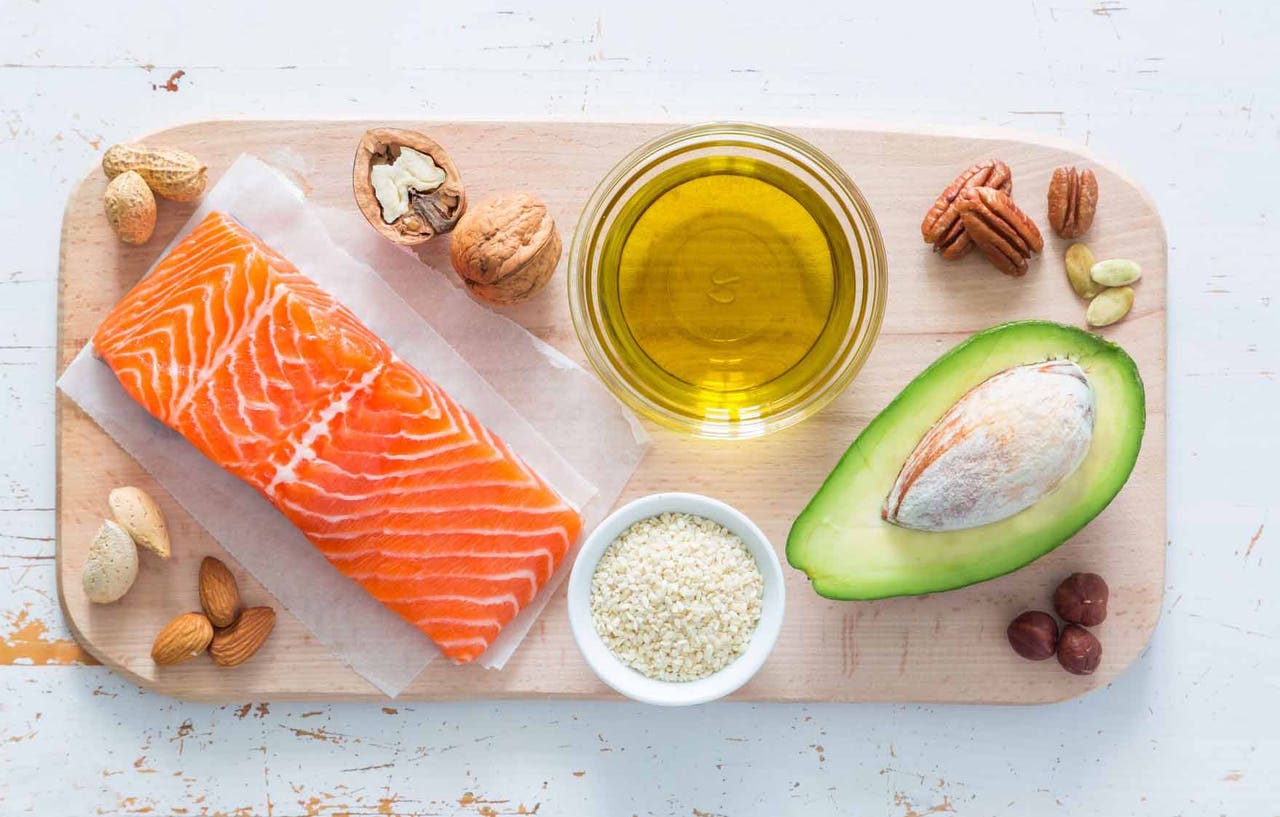
If the word “fat” is synonymous with “bad” in your mind, it’s time for some new thinking! The fact is, fats come in two types, and, as your Weekly explains, one of them is vitally important for health and wellness. So let’s clear up the confusion around dietary fat, and give you the information you need to make healthier food choices. And don’t worry--you won’t have to decipher food labels or micro-print ingredient lists. As with all things nutrition-related, the SmartPoints™ system makes it easy.
Fats, explained
Along with protein and carbohydrates, fats are one of three macronutrients that make up a healthy diet. But here’s where the two kinds come in:
Unsaturated fats play an essential role in our bodies. They help form the building blocks of our brain and nerves, keep our hearts healthy, and provide important vitamins we need. Oily fish, eggs, avocado, olives, nuts and seeds contain unsaturated fats, as well as certain oils including olive, rapeseed (aka canola), and sunflower.
Our bodies don’t require the other type of fat—saturated fat—at all. In fact, too much of it is linked to unhealthy levels of fats and cholesterol in the bloodstream, which increases the risk of heart disease, strokes and certain cancers. Animal fat, lard, butter, cheese, cream, coconut and palm oils are some of the more common sources of saturated fat.
Replacing saturated fat with the unsaturated kind is healthier for your body, no question, and it can help you stick to your SmartPoints budget. For instance, cooking in ways that don’t need added fat, like steaming or grilling, can help reduce the SmartPoints values in meals. Low calorie cooking sprays made with unsaturated fats are great options to reduce the amount of oil you use. And a smear of avocado on your toast instead of butter? Delicious.
Smart swaps
Now that you’re ready to move toward healthier fats, let the SmartPoints system do the work for you. It’s so simple: Foods higher in saturated fat are higher in SmartPoints. For example, compare four unsaturated-fat oils vs. coconut oil, which is a saturated fat:
Oils
1 tsp. (5ml)
2 tsp. (10ml)
1 Tbsp. (15ml)
2 Tbsp. (30ml)
Olive, canola, sunflower, and sesame
2 SmartPoints
3 SmartPoints
5 SmartPoints
9 SmartPoints
Coconut
3 SmartPoints
5 SmartPoints
8 SmartPoints
15 SmartPoints
Across the board, the SmartPoints are lower for the unsaturated fats, by design, to help you make your nutritional choices more easily.
To get more healthy fats in your meals and snacks, here’s a two-step plan:
Step 1: Map out what you eat over the course of two typical days. If you can, choose one weekday and one weekend day to get a sense of variety. Then circle the foods that are higher in saturated fat.
Step 2: Write down one way you can swap in an unsaturated fat alternative for one of your circled foods. Use your WW app to calculate how many SmartPoints values you'll save by making this swap. Pretty great, right?
Some swapping thought-starters: replace chips with a handful of nuts; a fatty cut of meat with an oily fish like salmon; creamy salad dressing with olive oil and vinegar; pepperoni on your pizza with olives; or full-fat dairy ice cream with frozen banana “nice cream.” Don’t stop there, and get creative! As you get to know all the rich and satisfying unsaturated fats out there, you’ll put them in rotation and push more saturated fats out of your eating picture.