3 steps to help make habit change happen
So behaviours become second nature in no time!
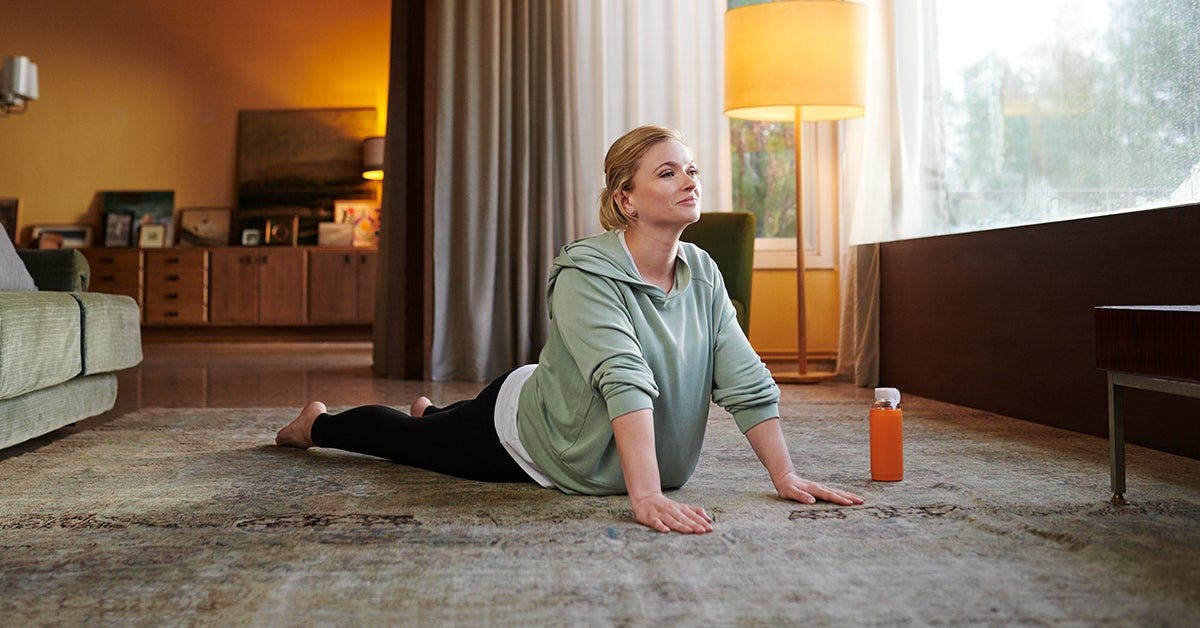
Brushing your teeth is a healthy behaviour that you don’t even have to think about, right? But at one point in your life, it wasn’t second nature—it took practice, until one day it was just automatic. So how did that happen? And how can you apply that same technique to other habits you want to develop, like healthy eating or staying active? You create a habit loop!
3 fast facts
Having healthy habits already established helps when we’re stressed or tired because they don’t require conscious effort or thought.
Habits around simple behaviours develop more quickly, so a great strategy is to start there and build on it. Packing your leftovers before you eat dinner might be a simple habit. But a habit to stop working at 5 p.m., change into workout gear, and join a virtual yoga class all before dinner might be a bit more complex.
While it takes effort to start developing a habit, the more frequently we do it in the same situation, the less effort it takes.
This week’s technique
Use the example habit loop below to turn a behaviour into a habit. Start by choosing the behaviour, then identify the cue, and make sure there's a reward!
The cue. Pinpoint something in your usual routine that will trigger you to do the behaviour. (“When I finish breakfast each morning, I’ll head to the bathroom to brush my teeth.”)
The behaviour. Doable, quick behaviours (like brushing your teeth) are most effective for creating habits, so choose a simple action you can do each day that takes fewer than five minutes. Practice it every time you have the cue.
The reward. This is what makes the behaviour worth repeating! Your reward can be a physical sensation (“My breath smells great!”) or emotional (“I’m happy my teeth feel clean”). It’s this loop of cue-to-reward that creates a habit. And the sooner you experience the loop, the more likely you are to do it again.