How the Points system works
Life is complicated—losing weight shouldn’t be. Our Points system turns complex nutritional data into one easy-to-use number.
Kilojoules (a.k.a calories) matter, but focusing on kilojoules alone won’t help you reach your goals. Same with protein and fibre. No one nutrient is the key to losing weight or eating healthier foods—they’re all important. Every food gets a Points value based on big-picture nutritional data, which help you assess a food on the spot.
Your Points Budget nudges you toward foods that are higher in fibre, protein, and unsaturated fat and lower in added sugar and saturated fat. Short of spending all your time analysing food data, the Points system is the best way to establish healthier behaviours and eating patterns—and the app does all the maths for you.
The basics
Every food has a Points value. It's a foolproof way to determine at a glance which foods are more nutritious. Knowing a food's Points value helps you stay on track.
You can eat foods with any Points value. Just because a food is higher in Points doesn’t mean it’s “bad”. Having a healthy pattern of eating means finding a balance of meals and snacks that are higher and lower in Points.
You’ll track what you eat. It’s easy; input your food into the app to see its Points value.
There are 200-plus ZeroPoint® foods*. These healthy powerhouses (skinless chicken breast, eggs, non-starchy veggies, and more) have 0 Points. They also don’t have to be weighed, measured, or tracked, and you can eat them whenever you like. Yep, and still lose weight!
You have a tailored Points Budget. Calculated based on your age, height, weight, and sex assigned at birth—which make up your individual metabolic rate—your Budget is designed to help you lose weight at a healthy rate.
*Members following the Diabetes Program share a different ZeroPoint foods list, based on global public health guidelines.
Points 101
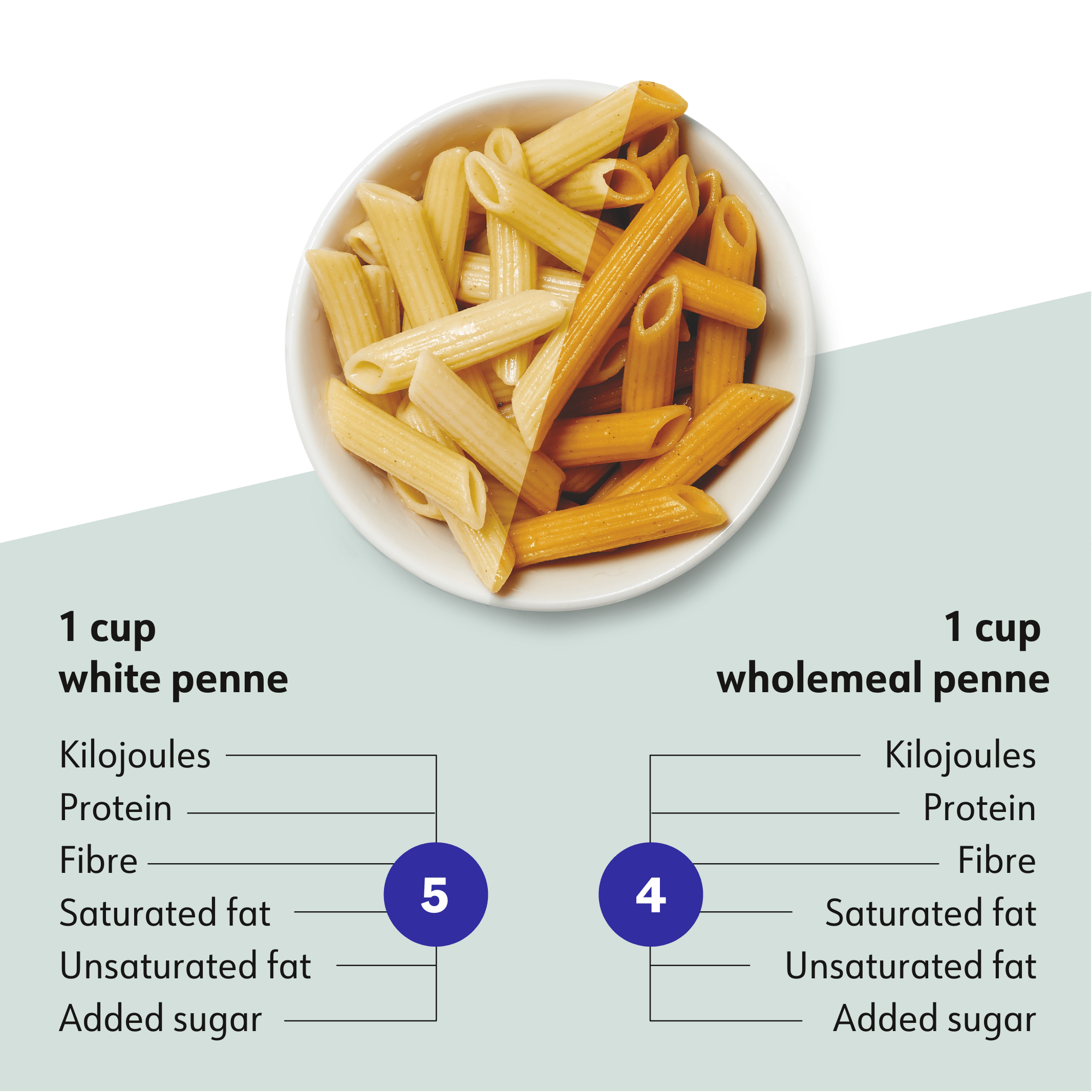
To give each food and beverage its Points value, we take kilojoules into account, plus five other nutrients that impact health.
Points go ↓ when foods have... | Points go ↑ when there’s more... |
|---|---|
Fibre helps make a food filling. And eating more of it lowers your risks of heart disease and type 2 diabetes and improves digestive health.
Protein builds muscle, strengthens bones, preserves lean body mass, and supports your cells and blood. Plus, it helps you feel fuller longer.
Unsaturated fats are the “better-for-you fats“ that form the building blocks of your brain and nerves, support heart health, and help you absorb vitamins.
Added sugars in foods can negatively impact overall health and weight—they’re different from naturally occuring sugars in foods like fruit and low- and fat-free dairy.
Saturated fats, the less-good-for-you kind, are linked to a higher risk of heart disease.
What's in a Budget?
Daily Points ensure you have enough to eat. They reset every day, and you can spend them on any foods you want. If you go over or under your dailies, that’s OK!
Weekly Points give you a cushion. They refill every week and can be used in any way—a handful every day, all in one day, or not at all. You’ll also add weekly Points to your Budget by tracking activity.
Rollovers are saved dalies. Up to 4 unused daily Points automatically roll into your weeklies. Use them anytime during the week.
Curious what the Points values are for your favourite foods? Head to the app and type any food into the search bar or use the barcode scanner.
ZeroPoint or low-Points foods | Foods that have higher Points |
|---|---|